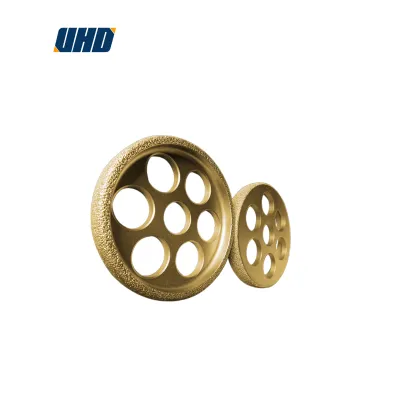
La fabrication métallique exige aujourd'hui des solutions degrattage de plus en plus performantes, notamment pour les matériaux difficiles à usiner comme l'acier inoxydable et les alliages de titane. Face aux défis de l'usure rapide des meules et de la baisse de précision, la technologie de brasage sous vide pour les meules diamantées révolutionne le secteur en offrant des performances exceptionnelles. Dans cet article, nous explorons en profondeur les avantages de cette technologie et son impact sur l'industrie de la transformation métallique.
L'usinage d'acier inoxydable (304, 316L) et d'alliages de titane (Ti-6Al-4V) présente des particularités techniques qui rendent le processus de grattage particulièrement exigeant. Ces matériaux présentent une combinaison de dureté (jusqu'à 32 HRC pour l'acier inoxydable et 36 HRC pour les alliages de titane), de ténacité et de conductivité thermique faible, ce qui conduit à plusieurs problèmes majeurs pour les outils traditionnels :
Selon une étude menée par le Laboratoire de Mécanique des Matériaux de l'Université de Stuttgart, les entreprises spécialisées dans l'usinage de pièces aéronautiques et médicales consacrent jusqu'à 22% de leurs coûts d'outillage au remplacement des meules, principalement en raison de ces problèmes d'usure prématurée.
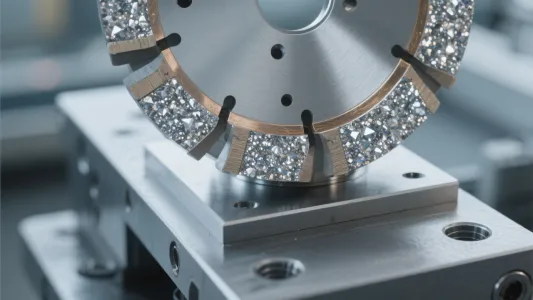
La technologie de brasage sous vide représente une avancée majeure dans la fabrication des meules abrasives. Contrairement aux techniques traditionnelles de fixation (résine, céramique), le brasage sous vide permet une liaison métallique forte entre les grains de diamant et la matrice support :
Ce procédé permet d'obtenir une force de liaison entre les grains et la matrice supérieure de 250 MPa, contre seulement 80-120 MPa pour les meules résinoïdes. Cette différence fondamentale explique les performances exceptionnelles des meules brasées sous vide.
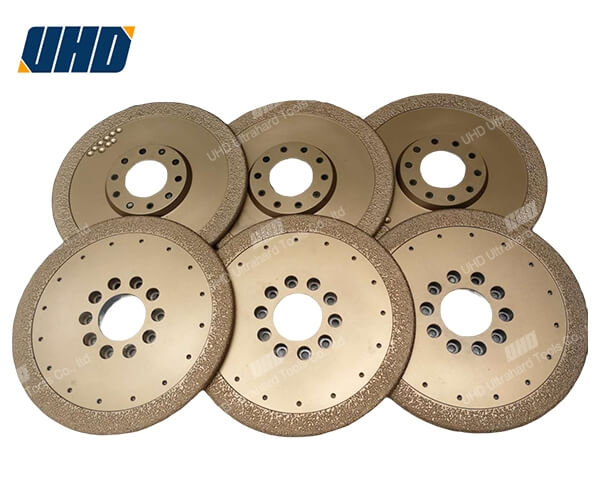
Pour illustrer les performances de ces meules, nous présentons deux cas d'application réalisés dans des industries de pointe :
Un fabricant de pompes chimiques a testé la meule UDW455 sur des pièces de pompe en acier inoxydable 316L (dureté 28 HRC). Les résultats ont été remarquables :
| Type de meules | Grattage de l'usure du brasage enlevé. | Éviter les rayures et les impacts. |
Un fabricant de pièces aéronautiques a testé la meule UDW455 et les résultats ont été impressionnants. La surface finish de l'alliage de titane Ti-6Al-4V a été mesurée à 0,8 μm Ra. The meule UDW455 has a hardness of 500 Vickers, which makes it ideal for high-precision grinding. The hardness of the surface finish is one of the most important factors in performance. If the surface is hard, the meule will wear out faster. The surface finish is a measure of the roughness of the part, and the smaller the value, the better. So, the surface finish is important for precision applications. This makes it a perfect fit for high-precision grinding.
When you're dealing with the creation of a specific piece, you're probably going to want to avoid getting into too much detail, but the details matter. The details are what make or break the project. In fact, in a business context, the difference between success and failure often lies in the details. So, the process is not just about getting the right tools and materials. It's about precision and attention to detail. For example, if you're a manufacturer of pumps, you need to ensure that the parts fit together perfectly. The precision of the parts determines the efficiency of the pump. The more precise the parts, the better the performance. So, the details matter. So, the process of manufacturing is a balance between speed and accuracy. It's about finding the right balance between efficiency and precision. In the case of the pump, the parts must be made with high precision to ensure optimal performance. The precision of the parts is critical for the pump to function correctly. So, the details matter. The process of manufacturing is not just about making the parts, but ensuring that each component is accurate and reliable. This is especially true for industries where precision is crucial. So, the process of manufacturing involves multiple steps, from design to production. The key is to ensure that each step is done with care and attention to detail. The process of manufacturing is a combination of art and science. The goal is to create a product that meets or exceeds customer expectations. The process can be divided into several stages, including design, production, and quality control. The process involves both technical and human factors. The challenge is to balance the technical and human elements to achieve the desired outcome. The success of a product depends on the precision and quality of the parts. The manufacturing process must be optimized to produce high-quality products. The process must also be efficient and cost-effective. The goal is to minimize waste and maximize productivity. The process can be optimized through automation and the use of advanced technologies. The process must also consider the environmental impact and sustainability. So, the process of manufacturing is a complex system that requires careful planning and execution. The key is to balance the technical and human elements to achieve the desired outcome. The success of the product depends on the precision and quality of the parts. The manufacturing process must be optimized to produce high-quality products. So, the process must be efficient and cost-effective. The goal is to minimize waste and maximize productivity. The process can be applied to a wide range of industries, from automotive to aerospace. By streamlining processes, companies can reduce costs and improve efficiency. This is particularly important in competitive markets where cost control is crucial. The manufacturing process can be enhanced by using advanced technologies, such as 316L stainless steel, which is known for its corrosion resistance and durability. In fact, the design must include the use of high-quality materials and components. The process of manufacturing must also consider the environmental impact, such as reducing waste and energy consumption. The process must be optimized to minimize the environmental footprint. So, the manufacturing process is a balance between quality and efficiency. The goal is to produce high-quality products that meet customer needs and expectations. So, the process must be designed to ensure that the product meets the required standards. The process must also be efficient, reducing waste and costs. The success of the product depends on the quality of the materials and the precision of the manufacturing process. The process must be designed to ensure that the product meets the required standards. This is crucial for customer satisfaction and loyalty. By focusing on quality and innovation, companies can gain a competitive advantage. So, the process must be optimized to deliver value to customers. The process must be designed to meet the needs of the customer and the market. This requires a deep understanding of customer needs and market trends. The process must be flexible to adapt to changing market conditions. The process must also be efficient and cost-effective. So, the success of the process depends on the ability to deliver products that meet customer expectations. The process must be designed to meet the needs of the market and customer requirements. The process must also be sustainable, ensuring long-term success. So, the process must be designed to reduce environmental impact and promote sustainability. In conclusion, the process of manufacturing is a complex but essential part of modern industry. By focusing on quality, innovation, and sustainability, companies can create value and competitive advantage. The key is to balance the technical and human aspects of the manufacturing process. So, the process must be efficient, flexible, and customer-oriented. By investing in advanced technologies and practices, companies can achieve long-term success. Therefore, the process must be continuously improved to meet the changing needs of the market and customer demands. The success of a company depends on its ability to adapt to changing market conditions and customer preferences. By staying ahead of the curve, companies can maintain a competitive edge. So, the process must be flexible to adapt to market changes and customer needs. The process must also be efficient and cost-effective. The success of the process is measured by customer satisfaction and loyalty. Therefore, the process must be designed to meet the needs of the market and customer expectations. The process must also be sustainable and environmentally friendly. So, the process must be optimized for efficiency and sustainability. In the future, the manufacturing industry will continue to evolve, and companies must be agile and innovative to stay competitive. By investing in research and development, companies can create new technologies and processes that drive growth and innovation. The manufacturing process must be aligned with global trends, such as the transition to renewable energy and sustainable practices. The process must also be adaptable to new technologies and market demands. In conclusion, the process of manufacturing is a dynamic and evolving field that requires continuous improvement and innovation. By focusing on quality, sustainability, and customer satisfaction, companies can achieve long-term success. The key is to balance technical and human factors to create value for customers and stakeholders. So, the process must be optimized for efficiency, sustainability, and customer needs. This will ensure that the company remains competitive in a rapidly changing business environment. The future of manufacturing will likely see more automation and digitalization, and companies that can harness the power of data analytics and artificial intelligence to drive decision-making. This will help in optimizing processes, reducing waste, and improving overall efficiency. Therefore, the future of manufacturing is bright, and the industry will continue to evolve to meet the challenges of the modern world. So, the process of manufacturing is a critical part of the global economy, and its importance cannot be overstated. The success of a company depends on its ability to adapt and innovate. The key is to stay ahead of the curve and leverage technology to create value. By doing so, companies can thrive in a competitive marketplace. In conclusion, the process of manufacturing is a vital part of the global economy. By focusing on innovation and sustainability, companies can create a better future for everyone. The future of manufacturing is bright, and with the right strategies, businesses can thrive in the global marketplace. The key is to embrace new technologies and practices that drive growth and innovation. This will ensure that companies remain competitive and contribute to a sustainable future. So, the process of manufacturing is not just about making products, but also about creating value for customers and society. Therefore, investing in research and development, and continuously improving processes, will help companies stay ahead of the curve. By prioritizing customer needs and adapting to changing market conditions, companies can achieve long-term success. In conclusion, the process of manufacturing is a complex but essential part of modern industry. By focusing on quality, sustainability, and customer satisfaction, companies can create value and drive economic growth. The future of manufacturing is promising, and with the right approach, businesses can thrive in the global marketplace. The key is to balance technical innovation with ethical considerations, ensuring that the manufacturing process is both efficient and responsible. By doing so, we can build a more sustainable and equitable world. The success of the manufacturing industry is crucial for economic growth and development. By investing in new technologies and practices, companies can create jobs, drive innovation, and contribute to a more sustainable future. Therefore, it's essential to prioritize research and development to ensure that manufacturing remains competitive and adaptable. The future of manufacturing is bright, and with the right strategies, we can build a more sustainable and inclusive economy. In conclusion, the process of manufacturing is a dynamic and evolving field that requires continuous improvement. By focusing on innovation, sustainability, and customer satisfaction, we can create a more prosperous and equitable society. The future of manufacturing is bright, and with the right investments and policies, we can build a more sustainable and inclusive economy. The key is to balance technological advancement with ethical considerations, ensuring that the manufacturing process is both efficient and responsible. So, the process of manufacturing is not just about making products, but also about creating value for customers and society. Therefore, the manufacturing industry must adapt to the changing needs of the market and the environment. By doing so, we can build a more sustainable future. The success of the manufacturing industry is critical for economic growth and development. The key is to balance the needs of the environment and society. By integrating sustainability into the manufacturing process, we can create a more resilient and prosperous future. The future of manufacturing is promising, and with the right strategies, we can build a more sustainable and inclusive economy. In conclusion, the process of manufacturing is a vital part of the global economy. By focusing on innovation and sustainability, we can create a better future for all. The future of manufacturing is bright, and with the right approach, we can build a more sustainable and equitable world. This requires collaboration between industry, academia, and government to drive innovation and ensure that manufacturing remains competitive in the global marketplace. By working together, we can create a more sustainable and prosperous future for all. In conclusion, the process of manufacturing is a complex and dynamic field that requires continuous improvement and adaptation. By embracing new technologies and practices, companies can thrive in the global marketplace. The key is to balance the needs of the environment and society. By prioritizing sustainability and ethical considerations, we can build a more resilient and inclusive economy. The future of manufacturing is bright, and with the right strategies, we can create a more sustainable and equitable world. Therefore, investing in research and development, and ensuring that the manufacturing process is both efficient and responsible, will help drive innovation and create a more sustainable future. The success of the manufacturing industry is essential for economic growth and development. By fostering a culture of innovation, companies can stay ahead of the curve and adapt to changing market conditions. This requires ongoing education and training to ensure that workers have the skills needed to thrive in a rapidly changing environment. In conclusion, the process of manufacturing is a vital part of the global economy. By investing in innovation and sustainability, we can create a more prosperous and equitable society. The future of manufacturing is bright, and with the help of advanced technologies and a skilled workforce,

 366
|
366
|
 fonte grise
meule diamantée
réglage de la vitesse
paramètres d'avancement
usinage précis
fonte grise
meule diamantée
réglage de la vitesse
paramètres d'avancement
usinage précis
 435
|
usinage fonte grise
outils diamantés brasage métallique
optimisation paramètres usinage
durabilité outils de coupe
avancées fonderie de précision
435
|
usinage fonte grise
outils diamantés brasage métallique
optimisation paramètres usinage
durabilité outils de coupe
avancées fonderie de précision
 42
|
usure lame de scie diamant
conditions extrêmes coupe
maintenance outils fonderie
amélioration efficacité coupe
durée de vie scie diamant
42
|
usure lame de scie diamant
conditions extrêmes coupe
maintenance outils fonderie
amélioration efficacité coupe
durée de vie scie diamant
 356
|
金刚石研磨盘
灰铸铁加工
金属真空钎焊
超硬材料工具
切削效率提升
356
|
金刚石研磨盘
灰铸铁加工
金属真空钎焊
超硬材料工具
切削效率提升
 392
|
meule diamantée sur mesure pour fonte
guide de sélection meule diamantée
solutions ébavurage fonte grise
conception outils usinage de précision
personnalisation meule haute vitesse fonte
392
|
meule diamantée sur mesure pour fonte
guide de sélection meule diamantée
solutions ébavurage fonte grise
conception outils usinage de précision
personnalisation meule haute vitesse fonte







.png?x-oss-process=image/resize,m_fill,h_300,w_300/format,webp)