UHD Maintenance Guidance
Reliable cast iron automatic grinding depends on more than wheel selection alone. Correct installation, suitable grinding parameters, regular cleaning, wear observation, and timely replacement help support stable performance and safer operation. This guide from UHD Ultrahard Tools Co., Ltd. provides a practical maintenance framework for vacuum brazed diamond grinding wheels used with multi-axis automatic grinding equipment.
Important operating note: Maintenance intervals, operating limits, wheel specifications, guarding requirements, and replacement criteria should always be confirmed against the product documentation, equipment manufacturer requirements, and applicable workplace safety procedures.
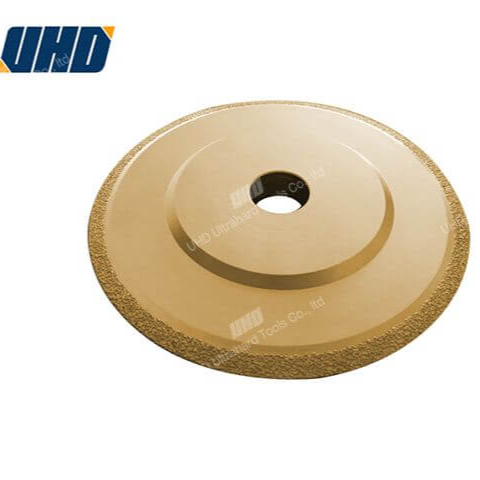
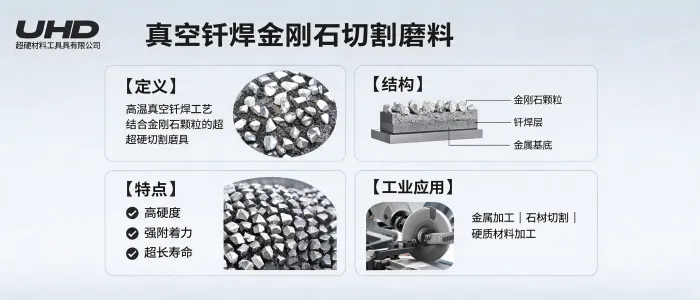
Vacuum brazing securely fixes diamond particles to the working surface, supporting wear resistance and a longer service life compared with conventional wheel constructions in suitable applications. However, wheel condition and machine condition can change during production. Poor mounting, blocked working surfaces, unsuitable parameters, contamination, or delayed inspection may affect grinding efficiency, surface consistency, and equipment stability.
Consistent checks help identify changes in grinding behavior before they become recurring production issues.
Monitoring wear and working-surface condition supports more informed decisions about continued use or replacement.
Installation, guarding, inspection, and cleaning should be performed in line with applicable safety procedures.
| Inspection area | What to check | Possible response |
|---|---|---|
| Wheel condition | Visible damage, unusual wear, blocked working areas, or loss of required grinding behavior | Stop and assess against product documentation and site procedures |
| Mounting and alignment | Secure fit, correct orientation, mounting-surface cleanliness, and machine compatibility | Reinstall or correct the setup before production continues |
| Grinding behavior | Changes in load, vibration, sound, heat, surface finish, or processing efficiency | Review parameters, workholding, wheel condition, and machine status |
| Machine cleanliness | Accumulated dust, chips, residue, or contamination around the grinding area | Clean using the approved method and verify safe machine operation |
| Replacement decision | Wear limit, damage, unstable results, or inability to meet process requirements | Remove from service and select a suitable replacement |
A maintenance review should consider the complete grinding system rather than the wheel alone. When grinding performance changes, check the following factors in a controlled sequence:
Replacement should not be based only on elapsed operating time. A better decision combines the wheel’s physical condition, process results, equipment behavior, and the applicable wear or safety limits specified for the product and machine.
Evaluate replacement when one or more of the following conditions is observed:
A simple maintenance record can help production and engineering teams compare wheel performance over time. Depending on the application, the record may include:
UHD develops vacuum brazed diamond grinding wheels for metalworking applications that require durability, grinding efficiency, and compatibility with automatic processing equipment. The product range supports different equipment and application requirements, while customized pipe-segment geometries and technical information can be discussed for specific processing conditions.
For wheel selection, maintenance planning, or an abnormal grinding condition, provide the equipment information, wheel specification, workpiece details, and observed symptoms. UHD’s application engineering team can use this information to support a more suitable technical assessment.
 294
|
 UHD Ultrahard Tools cast iron slag removal grinding resin-bond diamond grinding wheel industrial abrasive tool selection ductile iron deburring
 234
|
UHD Ultrahard Tools superhard material tools diamond tools abrasive tools vacuum-brazed diamond
 65
|
UHD Ultrahard Tools Co., Ltd. superhard material tools vacuum brazed diamond tools metal and stone processing tool selection
 447
|
UHD Ultrahard Tools Co., Ltd hand diamond grinding wheel diamond tools industrial processing solutions ultrahard material products
 197
|
UHD Ultrahard Tools superhard material tools diamond tools brazed diamond abrasives metal and stone processing