In the precision manufacturing landscape, where 0.001mm tolerances can determine product quality and manufacturing efficiency, the selection of grinding wheel geometry emerges as a critical decision point for CNC automatic grinder operators. According to a 2023 Industry Survey on Machining Efficiency, improper wheel selection accounts for approximately 22% of grinding defects and 18% of production downtime in precision manufacturing facilities. This article explores the strategic application of bowl,碟型, and cup-shaped grinding wheels, revealing how geometric optimization directly impacts machining outcomes in automotive and aerospace components manufacturing.
CNC automatic grinders demand a symbiotic relationship between machine capabilities and wheel design. Modern grinding systems, capable of spindle speeds exceeding 12,000 RPM and feed rates up to 500 mm/min, require wheels engineered to withstand extreme mechanical stresses while maintaining precision. The geometric profile directly influences chip evacuation efficiency, heat distribution, and surface finish quality—factors that collectively determine production throughput and part quality.
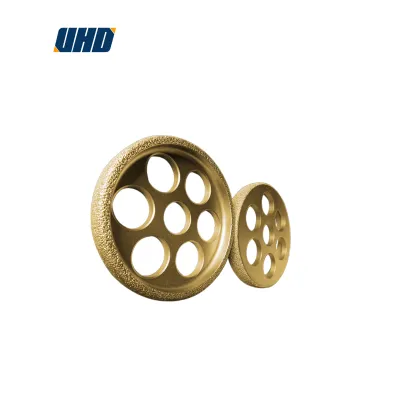
Bowl-shaped grinding wheels excel in applications requiring intricate contour machining and internal surface grinding. Their unique concave profile allows for precise access to complex geometries found in automotive transmission components and aerospace turbine blades. A case study with a leading European automotive supplier demonstrated that switching to bowl wheels for gear tooth grinding resulted in 18% improvement in profile accuracy and 12% reduction in cycle time compared to conventional wheel designs.
The structural advantages of bowl wheels become particularly evident when machining parts with deep recesses or interrupted surfaces. Their reinforced hub design minimizes vibration during high-speed operation, maintaining stability even when removing up to 0.2mm depth of cut in hardened steel (58-62 HRC). When paired with vacuum brazing technology, these wheels demonstrate exceptional bond strength, withstanding thermal shock up to 800°C during heavy grinding operations.
Characterized by their thin, flat profile with a central mounting hole,碟型 grinding wheels offer unparalleled versatility in surface grinding and tool sharpening applications. Their design facilitates precise control over grinding angles, making them ideal for sharpening cutting tools and producing flat surfaces with tolerances within ±0.002mm. In a recent implementation at a medical device manufacturer,碟型 wheels reduced tool changeover time by 27% while improving cutter edge consistency.
The inherent rigidity of碟型 wheels makes them particularly effective for creep feed grinding operations, where material removal rates can reach 300 mm³/mm width per minute. When optimized with ceramic abrasives and vacuum brazing, these wheels maintain form holding for extended periods, with some aerospace applications reporting 40% longer wheel life compared to resin-bonded alternatives. Their ability to maintain consistent parallelism makes them indispensable for precision fixturing surfaces and bearing raceway grinding.
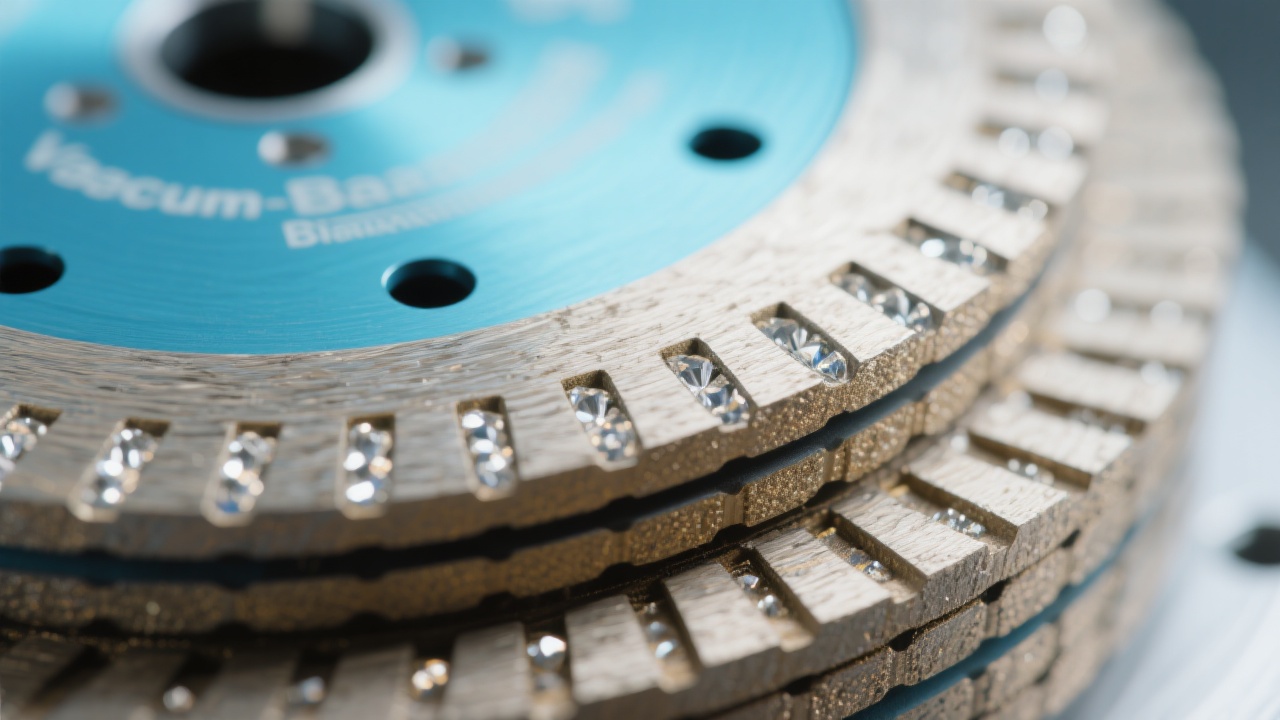
Cup wheels, distinguished by their cup-like shape with abrasive on the rim, deliver exceptional performance in heavy stock removal applications while maintaining precision. Their design concentrates grinding forces at the periphery, enabling efficient material removal rates up to 500 cm³/min on alloy steels. A major aerospace contractor reported that implementing optimized cup wheels reduced turbine blade grinding time by 22% while improving surface finish by 35% compared to previous methods.
The open structure of cup wheels promotes superior coolant flow, effectively managing heat buildup during aggressive grinding. This thermal management capability is critical when processing heat-sensitive materials like titanium alloys and nickel-based superalloys. Vacuum brazed cup wheels, with their monolithic construction, eliminate the risk of segment detachment even under heavy loads, a common failure mode in conventional bond wheels. When properly profiled, cup wheels can maintain dimensional accuracy within 0.005mm over extended production runs.
Modern grinding wheel performance begins in the digital realm with advanced CAD modeling techniques. Finite Element Analysis (FEA) simulates stress distribution during operation, optimizing wheel geometry to withstand centrifugal forces exceeding 10,000 Gs at maximum RPM. Computational Fluid Dynamics (CFD) analysis ensures effective coolant flow paths, reducing thermal damage to both wheel and workpiece by up to 40% compared to traditional designs.
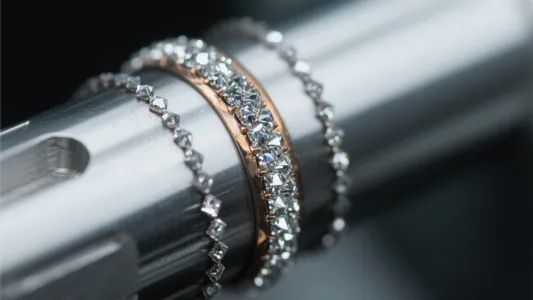
Vacuum brazing technology represents the pinnacle of bond strength, creating a metallurgical bond between abrasive grains and the wheel substrate. This process, conducted at temperatures around 1050°C in a controlled atmosphere, eliminates porosity and ensures uniform distribution of cutting forces. The result is a wheel that maintains its profile 3-5 times longer than resin-bonded alternatives, significantly reducing changeover frequency and tooling costs.
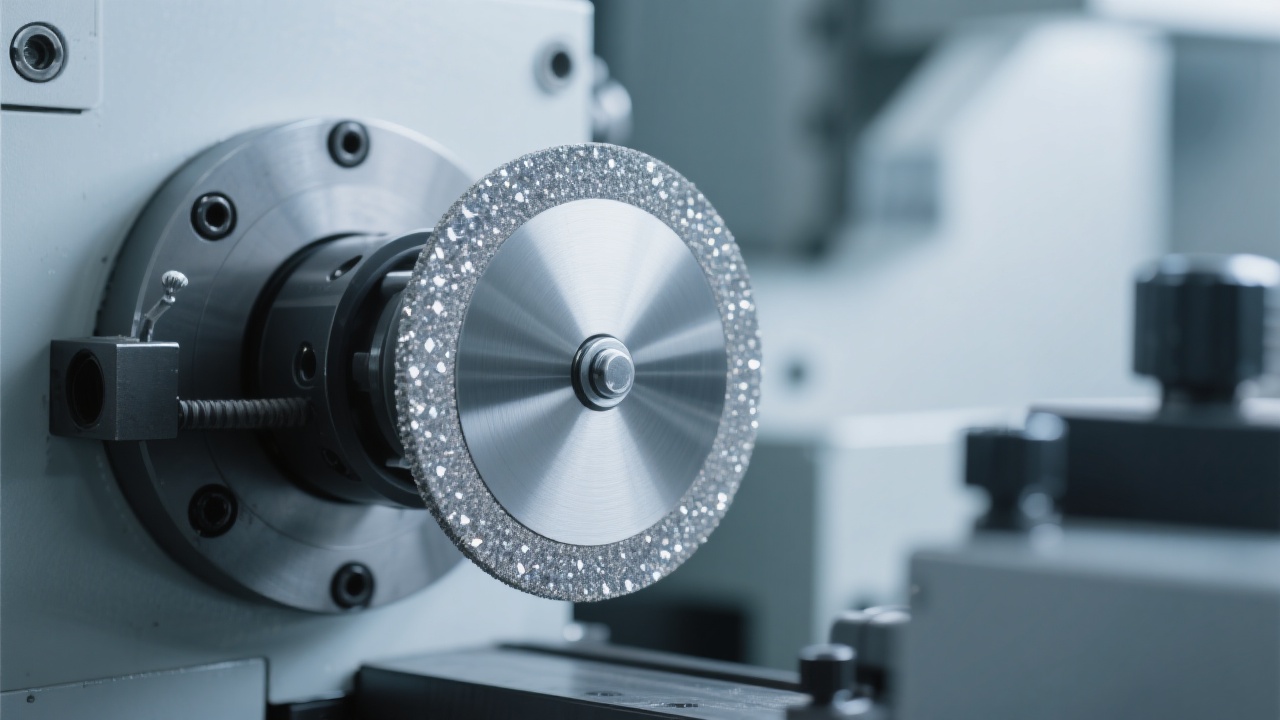
Even the most advanced wheel design requires proper parameter setting to achieve optimal results. For bowl wheels processing automotive gears, recommended parameters typically include spindle speeds between 4,500-6,500 RPM and feed rates of 150-250 mm/min, depending on material hardness.碟型 wheels used for tool sharpening often perform best at higher speeds (8,000-10,000 RPM) with lighter depths of cut (0.01-0.05mm).
| Wheel Type | Optimal Speed Range (RPM) | Depth of Cut (mm) | Coolant Flow Rate (l/min) |
|---|---|---|---|
| Bowl | 4,500-6,500 | 0.05-0.20 | 20-35 |
| 碟型 | 8,000-12,000 | 0.01-0.05 | 15-25 |
| Cup | 3,000-5,000 | 0.10-0.30 | 30-50 |
Coolant selection and delivery play equally critical roles in grinding performance. For high-temp applications, water-soluble coolants with 6-10% concentration provide optimal heat dissipation, while straight oils may be preferred for achieving ultra-fine surface finishes. Proper nozzle positioning, typically within 10-15mm of the grinding zone, ensures efficient chip flushing and heat removal.
Every manufacturing environment presents unique challenges that often require tailored solutions. Our team of materials engineers and grinding specialists works directly with your production team to analyze your specific application requirements, material characteristics, and performance goals.
Whether you're processing hardened steel automotive components or exotic aerospace alloys, our custom-engineered grinding wheels—optimized through advanced CAD modeling and vacuum brazing technology—can deliver measurable improvements in productivity, quality, and tool life. Request Your Personalized Grinding Solution Assessment
The aerospace industry provides a compelling example of geometry optimization in action. A leading manufacturer of turbine blades implemented a three-stage grinding process utilizing all three wheel types: cup wheels for initial stock removal, bowl wheels for complex contouring, and碟型 wheels for final edge refinement. This approach reduced overall cycle time by 31% while improving dimensional consistency to within ±0.003mm across the entire production run.
As manufacturing tolerances continue to tighten and material complexity increases, the strategic selection of grinding wheel geometry becomes not merely a production consideration but a competitive advantage. By aligning wheel design with specific application requirements—whether through off-the-shelf solutions or custom-engineered designs—manufacturers can achieve new levels of efficiency, quality, and cost-effectiveness in their grinding operations.


 451
|
451
|
 Diamond saw blade detection
High - temperature saw blade state monitoring
Cutting tool performance evaluation
Portable microscope application
Infrared temperature measurement for cutting tools
Diamond saw blade detection
High - temperature saw blade state monitoring
Cutting tool performance evaluation
Portable microscope application
Infrared temperature measurement for cutting tools
 435
|
gray cast iron machining
diamond grinding wheels
parameter optimization
precision casting tools
tool life management
398
|
diamond saw blade monitoring
intermittent cutting techniques
saw blade performance testing
superabrasive tool maintenance
cutting efficiency optimization
435
|
gray cast iron machining
diamond grinding wheels
parameter optimization
precision casting tools
tool life management
398
|
diamond saw blade monitoring
intermittent cutting techniques
saw blade performance testing
superabrasive tool maintenance
cutting efficiency optimization
 465
|
gray cast iron finishing
diamond grinding wheel slices
superhard material tools
tool life optimization
metal vacuum brazing technology
209
|
diamond saw blade chipping
gray cast iron cutting
thermal stress control
cutting parameter optimization
saw blade maintenance
465
|
gray cast iron finishing
diamond grinding wheel slices
superhard material tools
tool life optimization
metal vacuum brazing technology
209
|
diamond saw blade chipping
gray cast iron cutting
thermal stress control
cutting parameter optimization
saw blade maintenance








.png?x-oss-process=image/resize,m_fill,h_300,w_300/format,webp)