
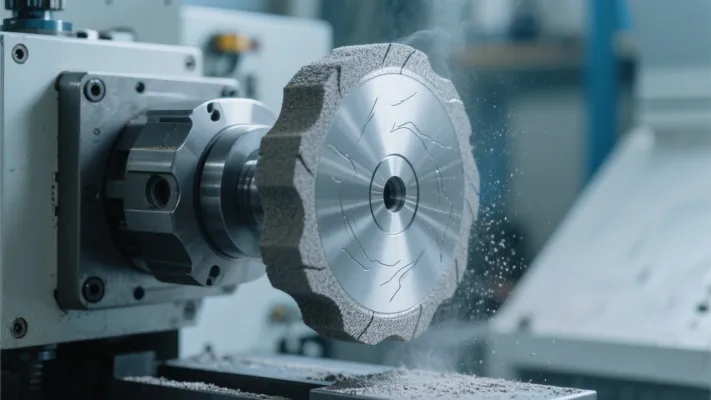
In today’s high-precision manufacturing environment, especially in automotive and aerospace sectors, cast iron components like crankshafts and cylinder blocks demand not just accuracy—but consistency, speed, and safety. Traditional one-size-fits-all diamond grinding wheels often fall short under these conditions, leading to increased tool wear, inconsistent finishes, and unplanned downtime.
Industry data shows that companies using standard diamond wheels for complex cast iron parts experience an average of 18% lower throughput compared to those leveraging customized solutions. Why? Because every casting has unique geometry—some with deep grooves, others with sharp edges—that affects chip formation, heat dissipation, and vibration stability during grinding.
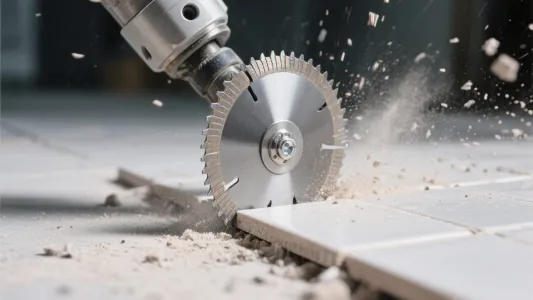
For example, a typical 30mm-wide wheel used across multiple engine block types may generate excessive heat at the contact zone due to poor chip evacuation—a known cause of micro-cracking in hardened cast iron surfaces.
By optimizing two key elements—the blade distribution pattern and the chip removal channel design—custom diamond wheels can boost efficiency by up to 35%. A well-designed radial groove layout ensures continuous coolant flow and prevents thermal buildup, while strategic placement of cutting edges reduces vibration and improves surface finish (Ra values dropping from 3.2μm to 1.5μm in real-world tests).
Additionally, integrating a precision rotary base with standardized mounting interfaces allows for quick changeovers between jobs—reducing setup time by up to 60% in flexible production lines. This is critical for manufacturers aiming to support just-in-time (JIT) delivery models without sacrificing quality.
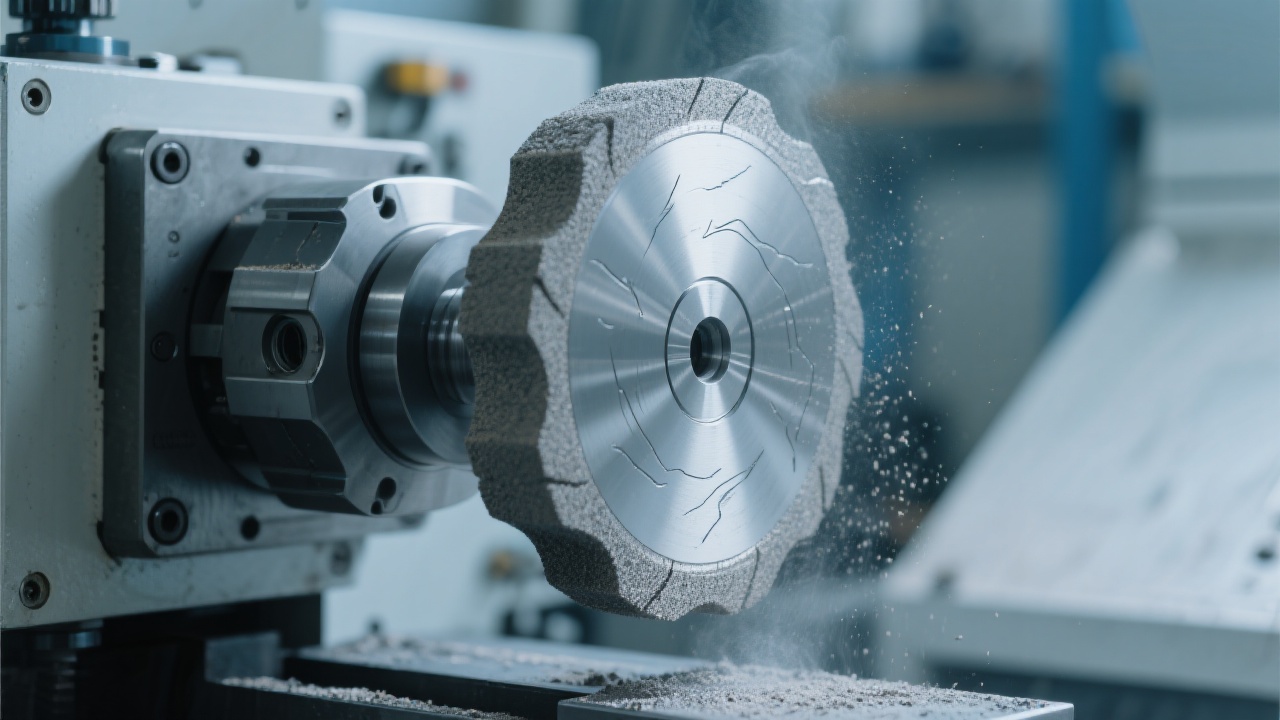
A Tier-1 supplier in Germany replaced their generic wheels with custom-designed ones tailored to the curvature and hardness profile of each cylinder block variant. Within six months:
This wasn’t just about better tools—it was about smarter integration into existing workflows.
What sets successful providers apart isn’t just technical expertise—it’s ongoing support. From pre-engineering consultations to post-installation performance tracking, offering dedicated application engineers who speak both machine language and business logic builds long-term partnerships.
That’s why many top-tier OEMs now require suppliers to provide not only product specs but also full lifecycle service plans—including remote diagnostics via IoT-enabled tools and on-site training modules.
Get your personalized diamond wheel design consultation or download our free “High-Speed Cast Iron Machining Guide”—packed with real-world data, case studies, and process diagrams.
Download the Free Guide NowWhether you're scaling up batch production or moving toward Industry 4.0 automation, investing in precision-customized grinding technology pays off—not just in numbers, but in reliability, safety, and peace of mind.

 412
|
412
|
 CNC automatic grinder
grinding wheel geometry
bowl type grinding wheel
碟型 grinding wheel
vacuum brazed grinding wheel
CNC automatic grinder
grinding wheel geometry
bowl type grinding wheel
碟型 grinding wheel
vacuum brazed grinding wheel
 446
|
diamond saw blade chipping
gray cast iron cutting
thermal stress control
cutting parameter optimization
foundry machining
446
|
diamond saw blade chipping
gray cast iron cutting
thermal stress control
cutting parameter optimization
foundry machining
 43
|
diamond saw blade wear
extreme cutting conditions
casting industry tool maintenance
cutting efficiency improvement
blade lifespan extension
99
|
diamond saw blade chipping
gray cast iron cutting optimization
saw blade thermal stress
cutting parameter adjustment
diamond grain size selection
43
|
diamond saw blade wear
extreme cutting conditions
casting industry tool maintenance
cutting efficiency improvement
blade lifespan extension
99
|
diamond saw blade chipping
gray cast iron cutting optimization
saw blade thermal stress
cutting parameter adjustment
diamond grain size selection
 392
|
customized diamond grinding wheels for cast iron
diamond wheel selection guide
gray cast iron deburring solutions
precision machining tool design
high-speed cast iron grinding discs customization
392
|
customized diamond grinding wheels for cast iron
diamond wheel selection guide
gray cast iron deburring solutions
precision machining tool design
high-speed cast iron grinding discs customization







.png?x-oss-process=image/resize,m_fill,h_300,w_300/format,webp)
.png?x-oss-process=image/resize,m_fill,h_300,w_300/format,webp)
.png?x-oss-process=image/resize,m_fill,h_400,w_400/format,webp)
.png?x-oss-process=image/resize,m_fill,h_200,w_200/format,webp)


