Selecting Customized Diamond Grinding Wheels for Cast Iron Based on Workpiece Geometry
2026-01-20
Application Tutorial
In high-speed cast iron machining, the complex shapes of workpieces such as crankshafts and cylinder blocks pose significant challenges for standard diamond grinding wheels in achieving efficient and precise deburring. This article details a systematic approach to selecting and customizing diamond grinding wheels tailored to specific geometric features—covering edge distribution optimization, chip disposal groove design, and rotary base compatibility. By following this comprehensive guide, you can enhance both machining consistency and operational safety. Real-case data demonstrating over 30% efficiency improvement and illustrated selection logic charts are provided to facilitate informed decision-making.
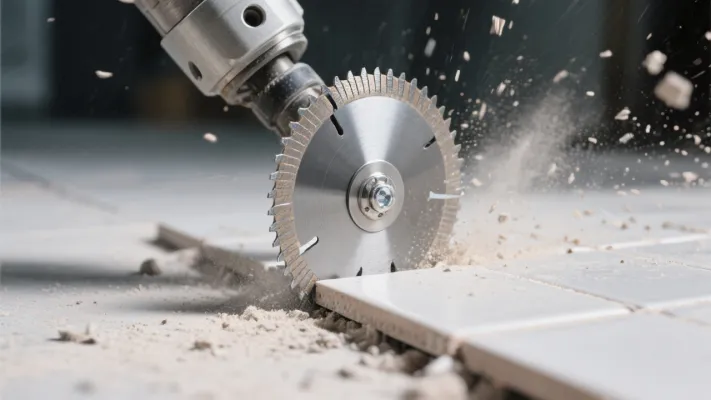
Selecting the Ideal Diamond Grinding Wheel for Cast Iron Based on Workpiece Geometry
When you’re working with complex cast iron components such as crankshafts or engine blocks, traditional standard diamond grinding wheels often fall short in delivering precision deburring and machining efficiency. The irregular shapes and intricate geometries demand a more tailored approach to grinding wheel design. In this guide, you’ll uncover how customizing diamond grinding wheels based on your specific workpiece shapes not only resolves quality inconsistencies but also enhances operational safety and throughput.
Understanding the Challenges in Cast Iron Machining
In automotive parts and precision machinery manufacturing, cast iron workpieces pose unique difficulties. Common issues include:
- Residual burrs after high-speed cutting causing surface defects
- Low efficiency due to multiple finishing passes
- Poor machining consistency leading to rework
These pain points directly affect your production cost and product reliability. The limitation usually boils down to the inability of standard grinding tools to adapt to the variable contours found on cast iron parts.
Why Custom Diamond Grinding Wheels Deliver Superior Results
Off-the-shelf diamond wheels are designed for general applications and often lack compatibility with specific geometric features of your cast iron parts. Customization offers you:
- Optimized abrasive grain distribution to conform to sharp edges or curved profiles
- Customized chip removal channels that prevent clogging and enhance thermal dissipation
- Adjustable profiles including angles and arc transitions that preserve dimensional accuracy without overgrinding
Step-by-Step Selection Logic for Custom Diamond Grinding Wheels
Let’s break down the selection process from basic understanding to advanced optimization tailored to your workpieces:
- Foundation: Learn what defines a custom diamond grinding wheel, focusing on substrate material, bonding agents, and diamond grit sizes suited for cast iron.
- Technical Refinements: Evaluate specific parameters such as bevel angles, grinding width, and profile curvature to perfectly match your component contours.
- Case Benchmark: Refer to a reference case where a client improved machining throughput by over 30% by switching from a standard wheel to a carefully customized diamond grinding solution.
System Integration — Precision and Flexibility in Your Manufacturing Line
Effective customization isn’t limited to wheel geometry alone. Integration with your equipment via standardized mounting interfaces and precision rotating bases enables quick changeover and repeatable positioning. This holistic approach complements Industry 4.0 initiatives and intelligent manufacturing strategies, underpinning:
- Faster tooling swaps that minimize downtime
- Consistent grinding angles tailored dynamically to diverse batch requirements
- Enhanced operator safety and process reliability
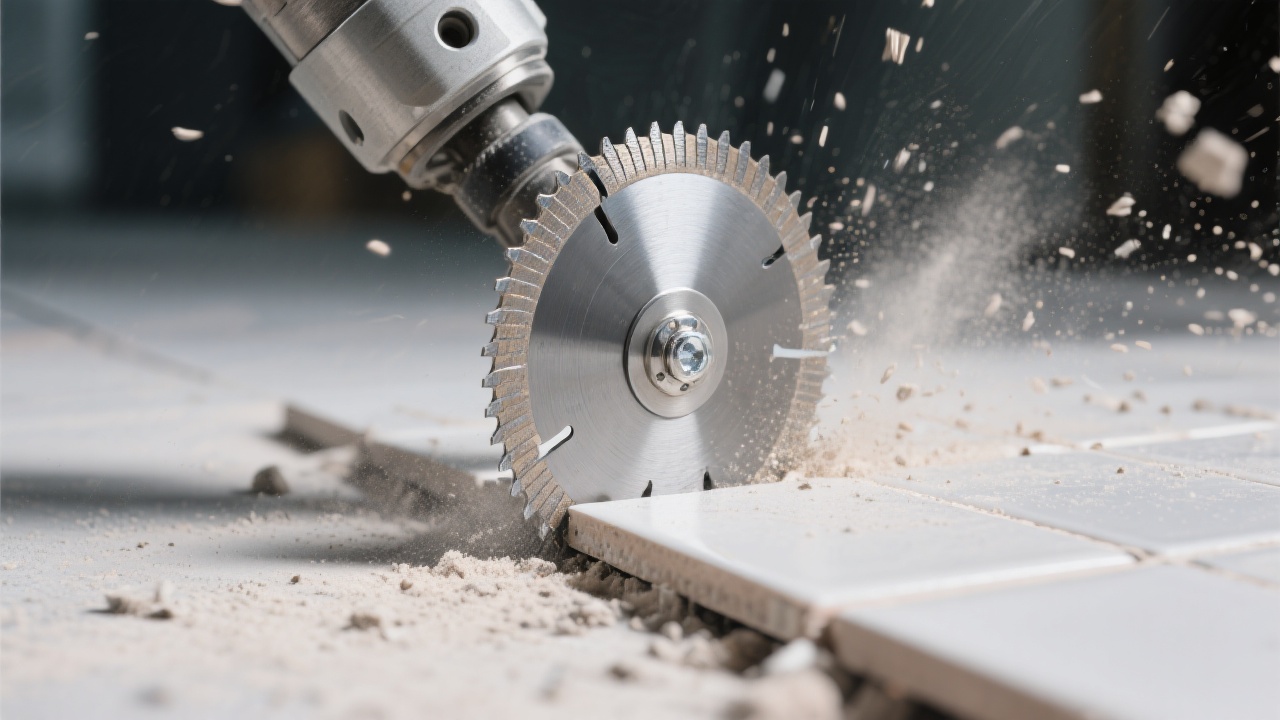
Equip Yourself with Data-Driven Insights and Tools
While theory and anecdotal successes guide your decision-making, access to structured resources is a game-changer. Download our Cast Iron Machining Customization Selection Handbook to get:
- Detailed parameter charts for tailoring wheel specifications
- Process flow diagrams illustrating the customization steps
- Real-world datasets quantifying efficiency gains and defect reduction
Unlock a value-driven solution curated for your cast iron manufacturing challenges. No aggressive sales—just precision-engineered support.




.png?x-oss-process=image/resize,m_fill,h_300,w_300/format,webp)



.png?x-oss-process=image/resize,m_fill,h_400,w_400/format,webp)
