In high-temperature, high-dust environments like casting workshops—especially when dealing with gray and ductile iron—diamond saw blades face intense operational stress. Studies show that up to 70% of premature blade failure stems not from material fatigue but from poor maintenance practices and suboptimal cutting parameters.
Extreme thermal cycling (from frequent starts/stops), abrasive dust accumulation, and inconsistent coolant flow accelerate wear. The primary mechanisms include:
A real-world case from a foundry in North Carolina revealed that after implementing proper cleaning protocols, blade life increased by an average of 42% over six months.
Here’s how to protect your investment:
Pro Tip: Monitor blade edge morphology weekly—if you see white spots or micro-cracks, it's time to replace before catastrophic failure.
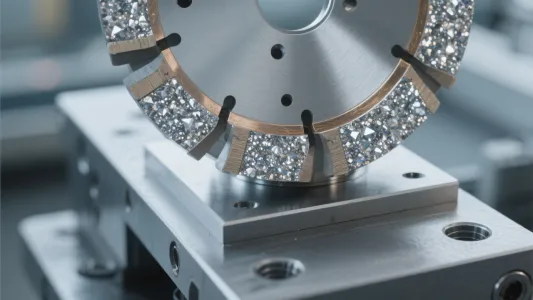
Our advanced vacuum sintering process ensures uniform diamond distribution and stronger bond strength—tested to withstand >1000 hours of continuous operation under heavy-duty conditions. With ISO 9001 and CE certifications, we back every blade with technical support and on-site training options.
Regular inspections combined with smart usage habits can boost your equipment utilization rate by up to 25%—turning costly downtime into consistent productivity.

 366
|
366
|
 gray cast iron machining
diamond grinding wheel
surface finish optimization
tool life extension
vacuum brazed diamond tools
gray cast iron machining
diamond grinding wheel
surface finish optimization
tool life extension
vacuum brazed diamond tools
 451
|
Diamond saw blade detection
High - temperature saw blade state monitoring
Cutting tool performance evaluation
Portable microscope application
Infrared temperature measurement for cutting tools
451
|
Diamond saw blade detection
High - temperature saw blade state monitoring
Cutting tool performance evaluation
Portable microscope application
Infrared temperature measurement for cutting tools
 232
|
custom diamond grinding wheels
cast iron machining efficiency
crankshaft burr removal
diamond grinding wheel customization
precision grinding solutions
232
|
custom diamond grinding wheels
cast iron machining efficiency
crankshaft burr removal
diamond grinding wheel customization
precision grinding solutions
 356
|
diamond grinding disc
gray cast iron machining
metal vacuum brazed tools
cutting efficiency improvement
superhard material tools
356
|
diamond grinding disc
gray cast iron machining
metal vacuum brazed tools
cutting efficiency improvement
superhard material tools
 392
|
customized diamond grinding wheels for cast iron
diamond wheel selection guide
gray cast iron deburring solutions
precision machining tool design
high-speed cast iron grinding discs customization
392
|
customized diamond grinding wheels for cast iron
diamond wheel selection guide
gray cast iron deburring solutions
precision machining tool design
high-speed cast iron grinding discs customization







.png?x-oss-process=image/resize,m_fill,h_300,w_300/format,webp)
.png?x-oss-process=image/resize,m_fill,h_300,w_300/format,webp)