
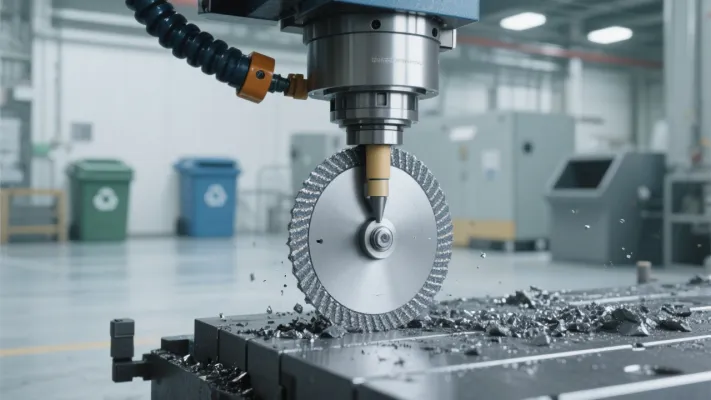
In industrial machining environments—especially those processing gray cast iron—dust and airborne particles have long been a silent threat to worker health, machine performance, and compliance with environmental regulations. Traditional resin-bonded grinding wheels not only generate significant particulate matter but also release volatile organic compounds (VOCs), contributing to poor air quality and increased maintenance costs.
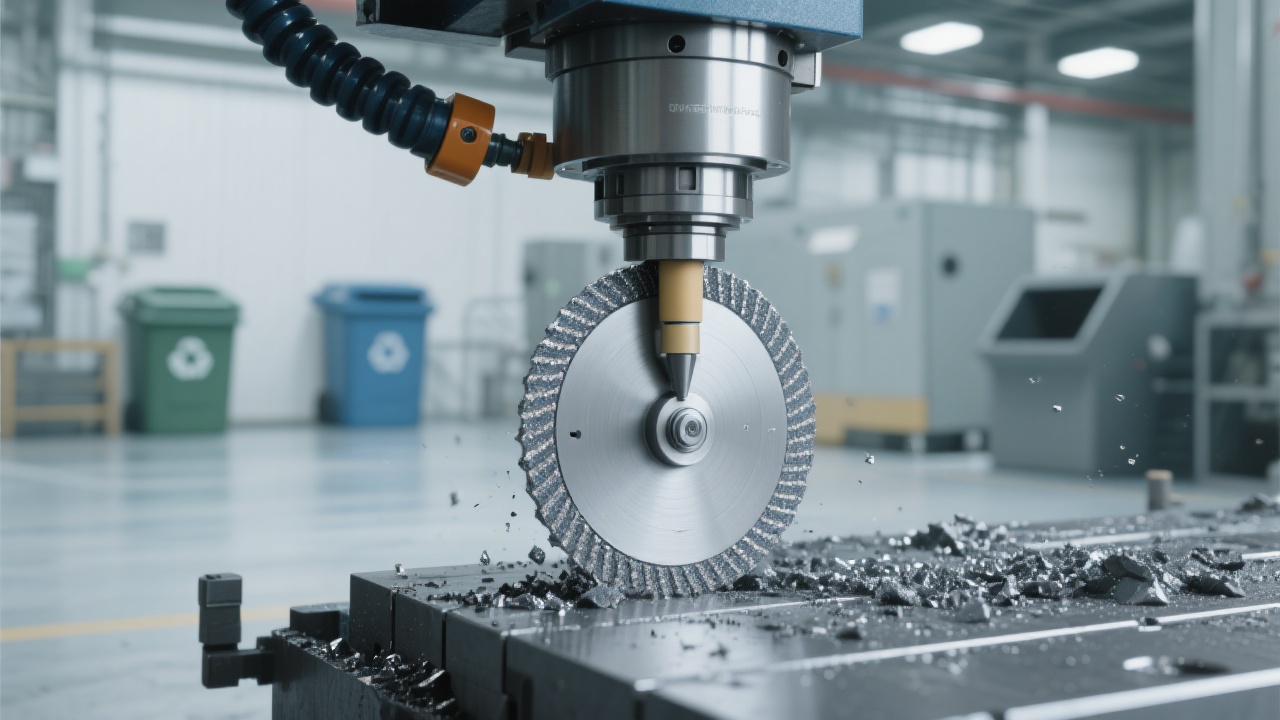
According to the Occupational Safety and Health Administration (OSHA), exposure to fine metal dust over time can lead to chronic respiratory conditions such as bronchitis or even pneumoconiosis. In one study conducted by the National Institute for Occupational Safety and Health (NIOSH), shops using standard grinding wheels reported up to 30% higher employee sick days related to respiratory issues compared to facilities that adopted dust-reducing technologies.
What’s more, excessive dust accumulation increases wear on CNC machines and reduces tool life—an often overlooked cost. A 2023 report from Machining Weekly found that companies switching to low-dust solutions saw a 17–22% reduction in unplanned downtime due to cleaner working conditions.
| Feature | Traditional Resin Wheel | UHD Diamond Grinding Disc |
|---|---|---|
| Dust Emission Level | High (≈15–25 mg/m³) | Very Low (≈2–5 mg/m³) |
| Tool Life | ~50 hours | ~150 hours |
| CE Certification | Not always | Yes, fully compliant |
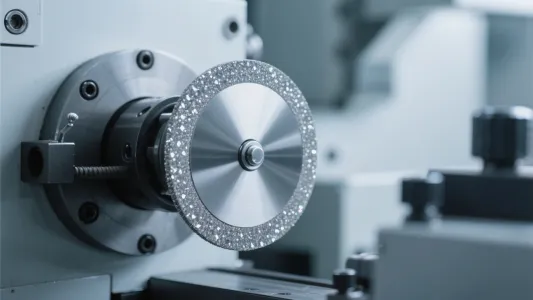
Unlike open-faced wheels, UHD’s advanced closed-loop structure traps debris at the point of contact, minimizing airborne dispersion. Combined with a high-performance ceramic bond matrix, this design ensures consistent cutting performance while reducing particle emissions by over 80%. This isn’t just theory—it’s proven in real-world factory settings across Europe and North America.
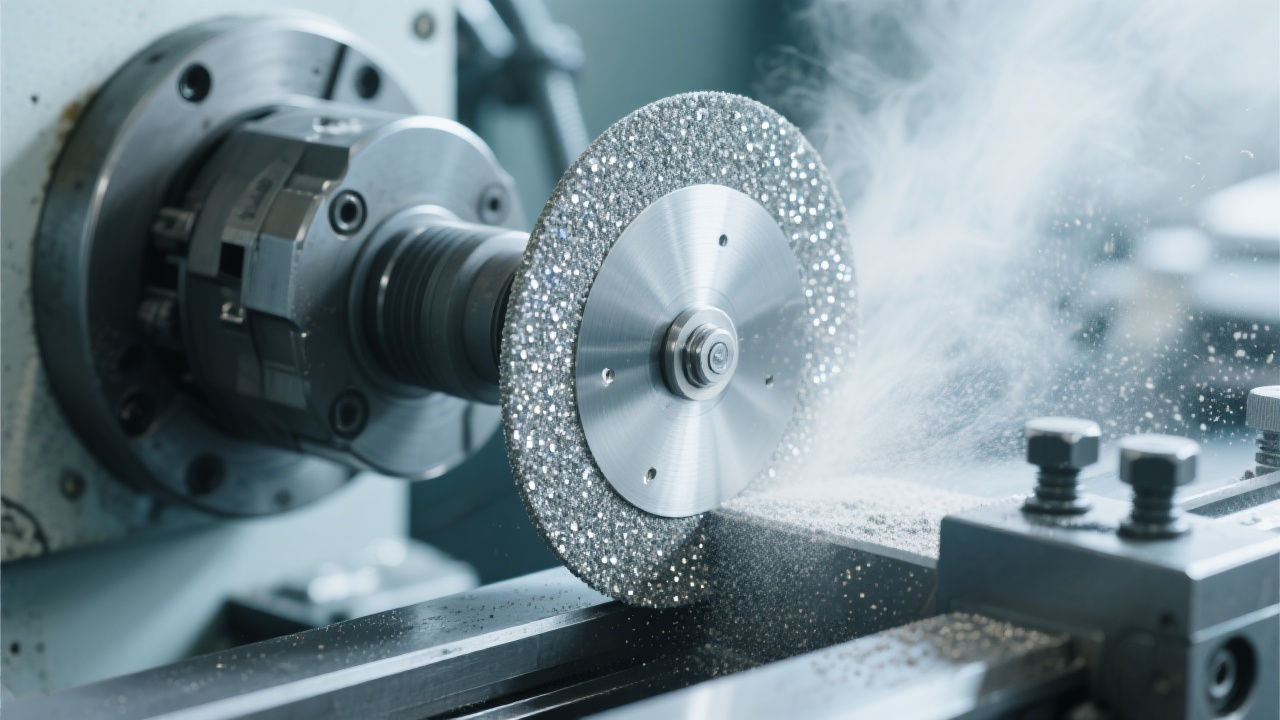
For manufacturers aiming to meet ISO 44001 standards or pursue green certifications like LEED, investing in tools like UHD’s diamond grinding discs isn't just smart—it's essential. These solutions help reduce reliance on expensive ventilation systems and lower long-term operational costs.
Start with regular air quality testing using portable PM2.5 monitors—a simple step that can identify hidden risks. Pair this with targeted staff training on PPE use and safe handling practices. Even small changes, like scheduling grinding tasks during off-shifts, can make a measurable difference in daily exposure levels.
Pro Tip: Use your existing CE-certified equipment as a baseline for evaluating new tools. If your current setup fails to meet local emission thresholds, it’s time to consider an upgrade—not just for compliance, but for productivity and employee well-being.
If you're ready to explore how UHD’s innovative diamond grinding technology can transform your shop floor into a safer, more efficient environment, download our free air quality management checklist—and take the first step toward true green manufacturing.

 412
|
412
|
 CNC automatic grinder
grinding wheel geometry
bowl type grinding wheel
碟型 grinding wheel
vacuum brazed grinding wheel
CNC automatic grinder
grinding wheel geometry
bowl type grinding wheel
碟型 grinding wheel
vacuum brazed grinding wheel
 232
|
custom diamond grinding wheels
cast iron machining efficiency
crankshaft burr removal
diamond grinding wheel customization
precision grinding solutions
232
|
custom diamond grinding wheels
cast iron machining efficiency
crankshaft burr removal
diamond grinding wheel customization
precision grinding solutions
 188
|
diamond saw blade wear assessment
cutting surface quality inspection
saw blade maintenance in extreme working environments
saw blade condition diagnosis methods
super - hard material tool usage skills
188
|
diamond saw blade wear assessment
cutting surface quality inspection
saw blade maintenance in extreme working environments
saw blade condition diagnosis methods
super - hard material tool usage skills
 163
|
diamond saw blade chipping
gray cast iron cutting
thermal stress control
cutting parameter optimization
UHD diamond blades
163
|
diamond saw blade chipping
gray cast iron cutting
thermal stress control
cutting parameter optimization
UHD diamond blades
 81
|
diamond saw blade performance testing
extreme environment cutting tools
on-site blade wear diagnosis
UHD diamond blades
industrial cutting efficiency optimization
81
|
diamond saw blade performance testing
extreme environment cutting tools
on-site blade wear diagnosis
UHD diamond blades
industrial cutting efficiency optimization





.png?x-oss-process=image/resize,m_fill,h_300,w_300/format,webp)

.png?x-oss-process=image/resize,m_fill,h_400,w_400/format,webp)


