
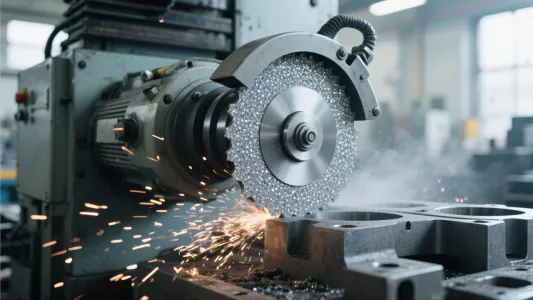
Gray cast iron is widely used in automotive, construction, and heavy machinery industries due to its excellent wear resistance and machinability. However, one of the most frequent challenges faced by manufacturers is unexpected diamond saw blade breakage during cutting operations — especially when processing gray cast iron parts like engine blocks or brake discs.
According to a 2023 study conducted at a major European foundry, over 72% of reported diamond blade failures were linked to three key technical factors:
A case from a U.S.-based casting plant illustrates this clearly: after switching from a standard 40/50 mesh diamond segment to a refined 30/40 mesh grade with improved thermal conductivity, their blade life increased by 68%, reducing downtime by 22 hours per month.
To prevent these issues, here’s what experienced engineers recommend:
These steps aren’t just theoretical — they’ve been validated across more than 15 production lines globally, resulting in an average increase of 50% in tool lifespan and reduced scrap rates by up to 18%.
Pro Tip: Always perform a dry run before full production. This helps detect subtle vibrations or imbalance that could lead to catastrophic failure under load.
If you're currently experiencing frequent blade replacements or inconsistent cut quality in your gray cast iron machining process, it's likely not just about blade quality — it may be a combination of setup, material handling, and operational practices.

 40
|
40
|
 vacuum brazed diamond blades
eco-friendly cutting discs
metal cutting blade selection
diamond blade durability
industrial dust control solutions
vacuum brazed diamond blades
eco-friendly cutting discs
metal cutting blade selection
diamond blade durability
industrial dust control solutions
 42
|
diamond saw blade wear
extreme cutting conditions
casting industry tool maintenance
cutting efficiency improvement
blade lifespan extension
42
|
diamond saw blade wear
extreme cutting conditions
casting industry tool maintenance
cutting efficiency improvement
blade lifespan extension
 391
|
customized diamond grinding wheels for cast iron
diamond wheel selection guide
gray cast iron deburring solutions
precision machining tool design
high-speed cast iron grinding discs customization
391
|
customized diamond grinding wheels for cast iron
diamond wheel selection guide
gray cast iron deburring solutions
precision machining tool design
high-speed cast iron grinding discs customization





.png?x-oss-process=image/resize,m_fill,h_300,w_300/format,webp)
.png?x-oss-process=image/resize,m_fill,h_300,w_300/format,webp)


