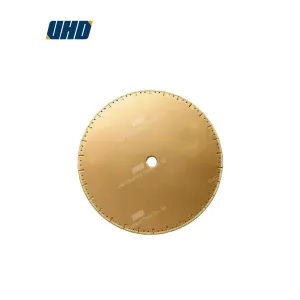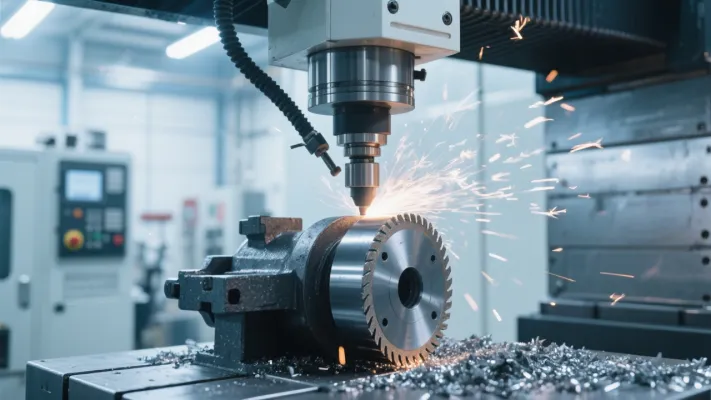
Foundry cutting can expose a diamond saw blade to heat, dust, abrasive debris and demanding operating conditions. A consistent maintenance routine—covering blade cleaning, coolant delivery, cutting parameters and wear checks—helps teams identify operating issues early and manage blade condition. The right practices depend on the material being cut, the machine and the blade design.
Before changing a maintenance or cutting routine, confirm that the diamond saw blade is appropriate for the workpiece, machine and cutting method. Review the blade and equipment manufacturer’s instructions, including permitted operating conditions. Foundry environments vary, so avoid applying a single feed, pressure or coolant setting to every job.
UHD Ultrahard Tools supplies diamond saw blades within its range of metal vacuum-brazed diamond tools. For a specific application, share the workpiece material, machine setup and cutting conditions when discussing blade selection or maintenance considerations.
After operation, follow the equipment and blade instructions to remove accumulated debris safely. Check the blade for visible buildup, damage or changes in the cutting edge. Do not continue using a blade that appears damaged; assess it according to the manufacturer’s guidance.
Confirm that coolant reaches the intended cutting area and that the system is operating as designed. Inspect for blocked lines, inconsistent flow or contamination, and maintain coolant condition in line with the system supplier’s recommendations.
Observe cutting stability, sound, finish and signs of excess heat. If performance changes, check the workpiece, blade condition, machine setup and coolant delivery before adjusting feed or pressure. Make adjustments within the equipment and blade operating limits.
Use consistent inspection points and record relevant operating conditions, observed wear and maintenance actions. Comparing records across jobs can help distinguish normal wear from changes associated with setup, material or coolant conditions.
Cooling-system optimization starts with reliable delivery and suitable coolant condition, rather than an assumed universal temperature or flow target. Use the equipment and coolant suppliers’ specifications, and assess the system as part of the complete cutting setup.
| Check | What to look for | Why it matters |
|---|---|---|
| Flow and coverage | Confirm coolant is delivered consistently to the cutting zone. | Uneven delivery can affect cutting conditions and make performance less consistent. |
| Lines and nozzles | Look for obstruction, leakage or misalignment. | A system fault may interrupt or redirect coolant delivery. |
| Coolant condition | Follow supplier guidance for cleanliness, monitoring and maintenance. | Contamination or neglected maintenance can affect system operation. |
A change in cutting efficiency is a reason to inspect the blade and operating setup—not, by itself, proof that the blade has reached the end of its service life. Check for visible damage, unusual wear, debris buildup and changes in cutting behavior. Compare observations with the blade manufacturer’s inspection and replacement criteria.
Safety note: Isolate the machine and follow site procedures before inspecting, cleaning or servicing the blade and cooling system. Use the required protective equipment and never exceed the blade or machine operating limits.
For foundry cutting, dependable blade maintenance combines routine cleaning, coolant-system checks, controlled parameter adjustments and documented wear assessment. UHD Ultrahard Tools focuses on diamond tools and related solutions for industrial applications. Matching a diamond saw blade to the actual workpiece and cutting conditions is an important starting point for evaluating maintenance needs and supporting informed blade-life management.

 325
|
 UHD Ultrahard Tools Co., Ltd vacuum-brazed diamond grinding wheel cast iron automatic grinding electroplated wheel replacement evaluation multi-axis grinding equipment compatibility
 51
|
UHD Ultrahard Tools Co., Ltd. cast iron automated grinding vacuum-brazed diamond grinding wheels grinding wheel specification selection multi-axis grinding equipment compatibility
216
|
UHD Ultrahard Tools Co., Ltd cast iron automatic grinding vacuum brazed diamond grinding wheel selection multi-axis grinding equipment matching custom grinding section geometry
444
|
UHD Ultrahard Tools Co., Ltd cast iron automatic grinding vacuum brazed diamond grinding wheel selection multi-axis automatic grinding equipment matching custom grinding segment geometry
494
|
UHD Ultrahard Tools Co., Ltd automated cast iron grinding vacuum brazed diamond grinding wheels diamond grit retention grinding wheel selection