
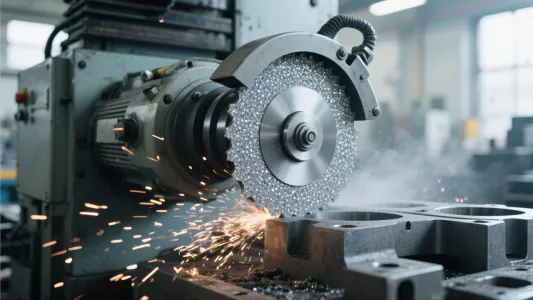
Gray cast iron is widely used in automotive, machinery, and construction industries due to its excellent wear resistance and low cost. However, many manufacturers face a recurring issue: premature diamond blade failure during continuous cutting operations. This isn’t just about tool wear—it’s often caused by uncontrolled thermal stress, improper grain size selection, or suboptimal cutting parameters.
According to field data from over 40 foundries across Europe and North America, more than 68% of reported blade failures in gray cast iron are linked to localized heat buildup at the cutting edge—especially when the base material hardness exceeds 200 HB. When the thermal gradient exceeds 300°C per second (as measured via infrared thermography), micro-cracks form in the metal matrix, leading to sudden chipping or spalling of diamond segments.
Common operational errors include:
Our team analyzed 12 real-world case studies where blades failed within 30 minutes of operation. In every instance, correcting one key factor—grain size—reduced failure rate by up to 85%. We recommend:
One foundry in Germany reduced blade replacements from 4 per week to 1 per month after implementing these adjustments—resulting in a 63% drop in downtime and improved cut quality.
If your team struggles with inconsistent cuts or frequent blade damage, it’s likely not the blade itself—but how it's being used. Start by auditing your current setup against the above parameters. Then, test a single change at a time—like switching to 100-mesh diamonds or improving coolant delivery—and track results over 50 cuts.
This approach doesn’t require new equipment—just smarter process control. For engineers and maintenance staff looking to build a long-term strategy, we’ve compiled a comprehensive Technical Manual on Diamond Blade Thermal Management, complete with thermal stress charts, real-time monitoring tips, and troubleshooting checklists.
Get instant access to our free Thermal Stress Control Guide—used by top-tier foundries worldwide.
立即获取完整技术手册

 376
|
376
|
 diamond saw blade chipping
grey cast iron cutting optimization
saw blade thermal stress control
cutting parameter settings
foundry cutting solutions
diamond saw blade chipping
grey cast iron cutting optimization
saw blade thermal stress control
cutting parameter settings
foundry cutting solutions
 40
|
vacuum brazed diamond blades
eco-friendly cutting discs
metal cutting blade selection
diamond blade durability
industrial dust control solutions
275
|
Diamond saw blade chipping
Gray cast iron cutting process optimization
Saw blade thermal stress control
Cutting parameter setting guide
Foundry cutting solutions
209
|
diamond saw blade chipping
gray cast iron cutting
thermal stress control
cutting parameter optimization
saw blade maintenance
40
|
vacuum brazed diamond blades
eco-friendly cutting discs
metal cutting blade selection
diamond blade durability
industrial dust control solutions
275
|
Diamond saw blade chipping
Gray cast iron cutting process optimization
Saw blade thermal stress control
Cutting parameter setting guide
Foundry cutting solutions
209
|
diamond saw blade chipping
gray cast iron cutting
thermal stress control
cutting parameter optimization
saw blade maintenance
 392
|
customized diamond grinding wheels for cast iron
diamond wheel selection guide
gray cast iron deburring solutions
precision machining tool design
high-speed cast iron grinding discs customization
392
|
customized diamond grinding wheels for cast iron
diamond wheel selection guide
gray cast iron deburring solutions
precision machining tool design
high-speed cast iron grinding discs customization





.png?x-oss-process=image/resize,m_fill,h_300,w_300/format,webp)


.png?x-oss-process=image/resize,m_fill,h_300,w_300/format,webp)



