
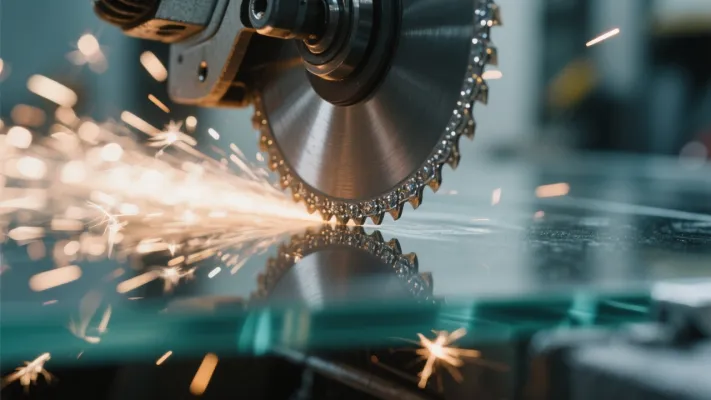
In the demanding environment of casting industries, cutting through materials such as gray cast iron and ductile iron presents significant challenges. Diamond saw blades, renowned for their superior hardness and cutting precision, face accelerated wear under extreme operating conditions — characterized by high temperatures, dust-laden atmospheres, and frequent start-stop cycles. These factors critically impact blade performance, tool life, and ultimately, cutting efficiency.
The integrity of a diamond saw blade’s cutting edge degrades primarily through:
To mitigate these wear effects and boost operational uptime, maintenance practices must align closely with the specific cutting conditions:
Accumulation of coke and metal fragments can severely reduce blade sharpness. Employing specialized chemical cleaners combined with ultrasonic treatment has proven effective. Routine cleaning intervals of 50 cutting hours typically prevent buildup that causes gluing effects.
Maintaining coolant flow rates between 10–15 liters per minute with temperature controlled around 20°C ensures heat dissipation without thermal shock. Excessive cooling can cause brittleness, while insufficient cooling accelerates wear.
An ideal feed speed of 1 to 3 mm/s combined with moderate pressure levels balances cutting efficiency and blade longevity. Excessive pressure increases micro-fractures; too light a feed slows productivity.
Experienced operators rely on visual and tactile inspection of blade edges to identify wear stages: abrasion, spalling, thermal cracks. These indicators help determine if the blade is still within optimal performance parameters or requires replacement. For instance, extensive chipping and rounding of diamond particles signal irreversible wear.
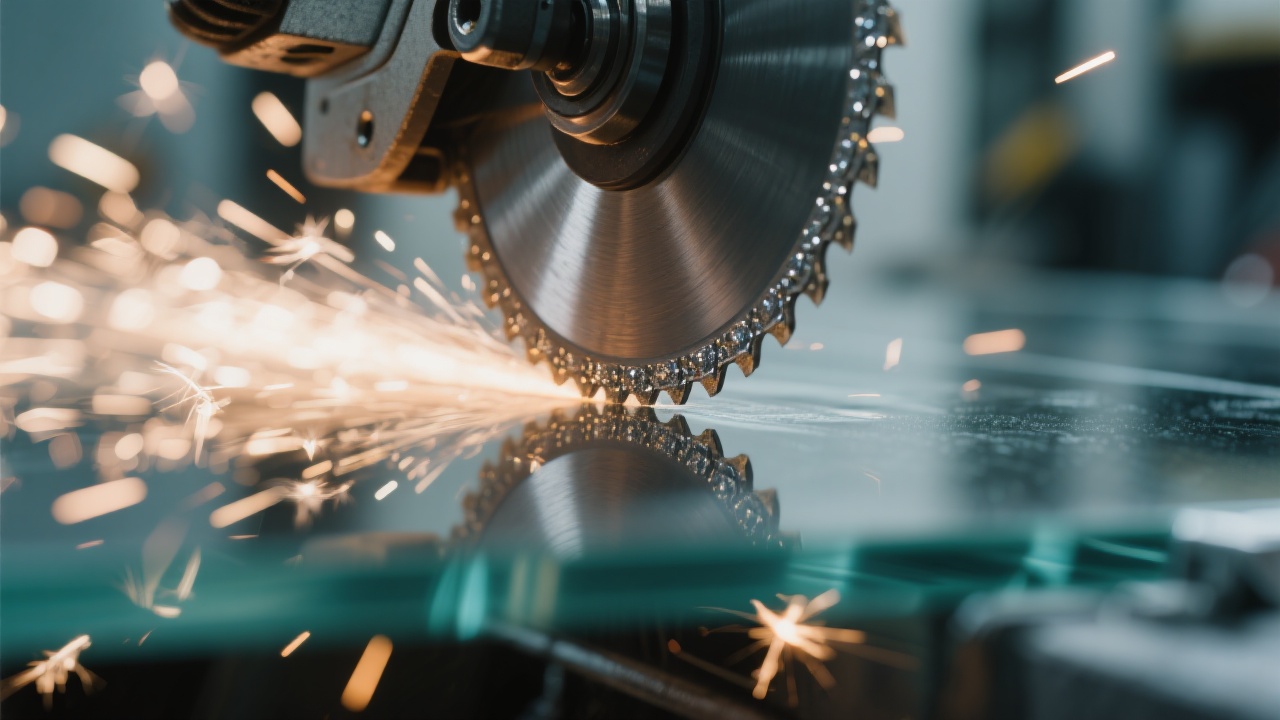
A leading casting plant implemented a maintenance protocol integrating scheduled ultrasonic cleaning and optimized coolant parameters. The result was a 30% increase in blade life and a 20% boost in cutting throughput over six months. Monitoring wear morphologies enabled timely blade changings, minimizing downtime and ensuring consistent cut quality.
UHD Ultra-Hard Materials Tools Co., Ltd. provides cutting-edge diamond saw blades engineered for resilience in extreme casting environments. Their comprehensive technical support includes customized maintenance training, on-site diagnostics, and prompt after-sales service. Such partnership ensures customers optimize tool performance, control operational costs, and sustain high-quality output.

 40
|
40
|
 vacuum brazed diamond blades
eco-friendly cutting discs
metal cutting blade selection
diamond blade durability
industrial dust control solutions
vacuum brazed diamond blades
eco-friendly cutting discs
metal cutting blade selection
diamond blade durability
industrial dust control solutions
 391
|
customized diamond grinding wheels for cast iron
diamond wheel selection guide
gray cast iron deburring solutions
precision machining tool design
high-speed cast iron grinding discs customization
391
|
customized diamond grinding wheels for cast iron
diamond wheel selection guide
gray cast iron deburring solutions
precision machining tool design
high-speed cast iron grinding discs customization





.png?x-oss-process=image/resize,m_fill,h_300,w_300/format,webp)


