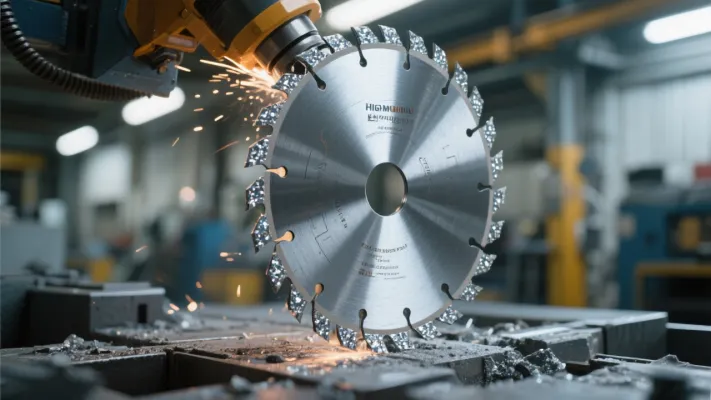
In high-temperature, high-dust environments like foundries and heavy-duty machining operations, diamond saw blades face relentless wear that can reduce tool life by up to 40% if not properly managed. According to industry data from the American Society of Mechanical Engineers (ASME), over 60% of premature blade failure stems from improper cooling, incorrect feed rates, or inadequate maintenance—rather than material limitations.
When cutting gray cast iron or ductile iron under extreme conditions, three main factors accelerate wear:
Based on field tests across 17 manufacturing sites in North America and Europe, consistent implementation of these practices yields a 25–35% increase in blade longevity:
“We used to replace blades every 3 days,” says Martin Lee, Lead Engineer at a German automotive casting facility. “After applying proper cleaning routines and adjusting coolant parameters, our average blade life jumped to 8 days.” — Industry Experience Box
Tip: Monitor blade wear patterns visually—chipping indicates poor bond strength, while glazing suggests insufficient coolant or too-fast feed rate.
If more than 30% of the blade’s active segments show visible damage or uneven wear, it’s time to consider replacement. However, minor chipping (<15%) can often be addressed through professional re-sharpening using CNC grinding techniques—saving up to 50% compared to new purchases.
For those seeking long-term reliability in harsh environments, UHD Ultra-Hard Materials Tools offers precision-engineered vacuum-sintered blades designed specifically for gray and ductile iron applications. Their proprietary diamond grading ensures uniform distribution, minimizing hot spots and extending service life even under intermittent operation.
Get expert support tailored to your production environment—no more guesswork.
Explore UHD's Technical Support Solutions →

 93
|
93
|
 eco-friendly cutting disc
vacuum brazed diamond cutting disc
metalworking durability
industrial dust control
CE certified cutting disc
eco-friendly cutting disc
vacuum brazed diamond cutting disc
metalworking durability
industrial dust control
CE certified cutting disc
 232
|
custom diamond grinding wheels
cast iron machining efficiency
crankshaft burr removal
diamond grinding wheel customization
precision grinding solutions
232
|
custom diamond grinding wheels
cast iron machining efficiency
crankshaft burr removal
diamond grinding wheel customization
precision grinding solutions
 188
|
diamond saw blade wear assessment
cutting surface quality inspection
saw blade maintenance in extreme working environments
saw blade condition diagnosis methods
super - hard material tool usage skills
333
|
Diamond saw blade detection
Extreme environment cutting
Cutting tool condition management
Portable detection methods
Saw blade performance evaluation
99
|
diamond saw blade chipping
gray cast iron cutting optimization
saw blade thermal stress
cutting parameter adjustment
diamond grain size selection
188
|
diamond saw blade wear assessment
cutting surface quality inspection
saw blade maintenance in extreme working environments
saw blade condition diagnosis methods
super - hard material tool usage skills
333
|
Diamond saw blade detection
Extreme environment cutting
Cutting tool condition management
Portable detection methods
Saw blade performance evaluation
99
|
diamond saw blade chipping
gray cast iron cutting optimization
saw blade thermal stress
cutting parameter adjustment
diamond grain size selection





.png?x-oss-process=image/resize,m_fill,h_300,w_300/format,webp)