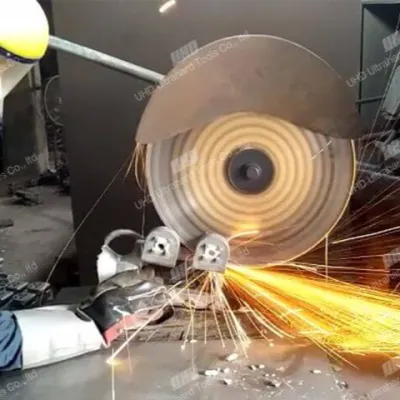
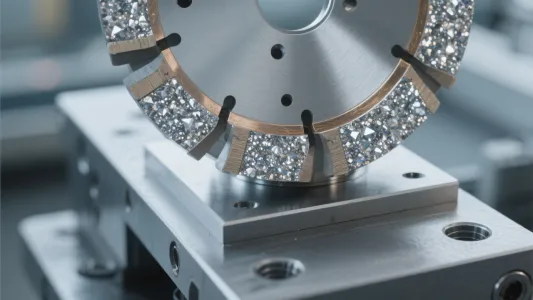
If you're running diamond saw blades in high-temperature, dusty foundry conditions — especially when cutting gray or ductile iron — you've likely noticed rapid edge wear, inconsistent cuts, and frequent replacements. This isn’t just bad luck. It’s a predictable failure pattern rooted in thermal stress, contamination buildup, and improper operating parameters.
In casting shops where temperatures exceed 120°C and particulate levels are high, two main issues accelerate wear:
Based on field data from over 50 foundries worldwide, here’s what works:
Not all wear means replacement. Here’s how to tell:
| Wear Type | Action Required |
|---|---|
| Uniform dulling | Re-sharpen using CNC profile grinding |
| Chipped or cracked segments | Replace immediately — unsafe for reuse |
| Localized overheating marks | Check coolant system & adjust feed rate |
We’ve seen customers reduce blade replacement frequency from once per week to once every 3 weeks — just by following these practices. Our team has distilled years of real-world experience into standardized maintenance protocols that work across industries.

 412
|
412
|
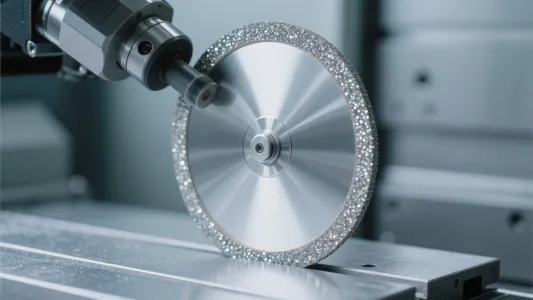
 CNC automatic grinder
grinding wheel geometry
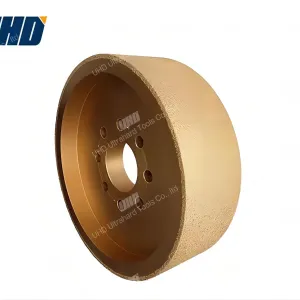
bowl type grinding wheel
碟型 grinding wheel
vacuum brazed grinding wheel
CNC automatic grinder
grinding wheel geometry
bowl type grinding wheel
碟型 grinding wheel
vacuum brazed grinding wheel
 436
|
gray cast iron machining
diamond grinding wheels
parameter optimization
precision casting tools
tool life management
436
|
gray cast iron machining
diamond grinding wheels
parameter optimization
precision casting tools
tool life management
 479
|
vacuum brazed diamond saw blade
automated metal cutting
diamond blade parameters
UHS 600M16 blade compatibility
CE certified diamond blade
479
|
vacuum brazed diamond saw blade
automated metal cutting
diamond blade parameters
UHS 600M16 blade compatibility
CE certified diamond blade
 43
|
diamond saw blade wear
extreme cutting conditions
casting industry tool maintenance
cutting efficiency improvement
blade lifespan extension
43
|
diamond saw blade wear
extreme cutting conditions
casting industry tool maintenance
cutting efficiency improvement
blade lifespan extension
 356
|
diamond grinding disc
gray cast iron machining
metal vacuum brazed tools
cutting efficiency improvement
superhard material tools
356
|
diamond grinding disc
gray cast iron machining
metal vacuum brazed tools
cutting efficiency improvement
superhard material tools






.png?x-oss-process=image/resize,m_fill,h_300,w_300/format,webp)

.png?x-oss-process=image/resize,m_fill,h_300,w_300/format,webp)