Operating a casting workshop means dealing with extreme conditions: high temperatures, abrasive dust, and frequent machine starts and stops. If you're noticing your diamond blades losing sharpness within days instead of weeks, it's not just bad luck—it’s likely due to misunderstood wear mechanisms and missed maintenance opportunities.
In foundries processing gray or ductile iron, blade failure often stems from three hidden factors:
“We reduced our blade replacements from weekly to bi-weekly after implementing the UHD wear-check protocol.” — Carlos M., Foundry Manager, Mexico
Not every worn blade needs replacing. Learn to identify these key signs:
| Wear Pattern | What It Means | Recommended Action |
|---|---|---|
| Uniform dulling | Normal use – can be restored | Schedule professional re-sharpening |
| Localized chipping or glazing | Improper feed pressure or overheating | Adjust parameters + clean debris immediately |
| Exposed metal core | Severe overuse or poor maintenance | Replace blade — safety risk exists |
Here’s what top-performing shops do differently:
These small habits add up. One customer reported saving over $12k/year in tooling costs after adopting UHD’s structured maintenance plan — all while improving cut quality and reducing downtime.
Get expert guidance tailored to your casting process — including free blade condition assessments and customized maintenance checklists.
Download Your Free Diamond Blade Maintenance Guide Now
 412
|
412
|
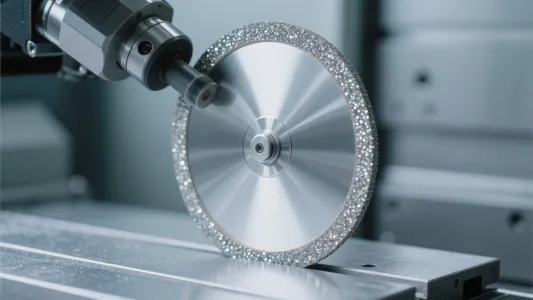
 CNC automatic grinder
grinding wheel geometry
bowl type grinding wheel
碟型 grinding wheel
vacuum brazed grinding wheel
CNC automatic grinder
grinding wheel geometry
bowl type grinding wheel
碟型 grinding wheel
vacuum brazed grinding wheel
 366
|
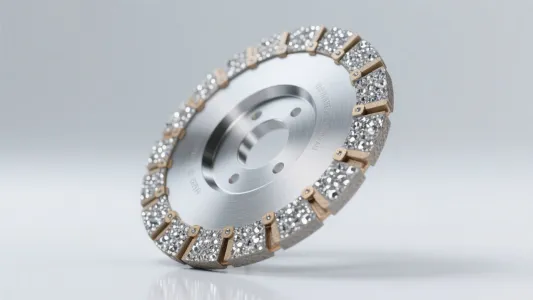
gray cast iron machining
diamond grinding wheel
surface finish optimization
tool life extension
vacuum brazed diamond tools
366
|
gray cast iron machining
diamond grinding wheel
surface finish optimization
tool life extension
vacuum brazed diamond tools
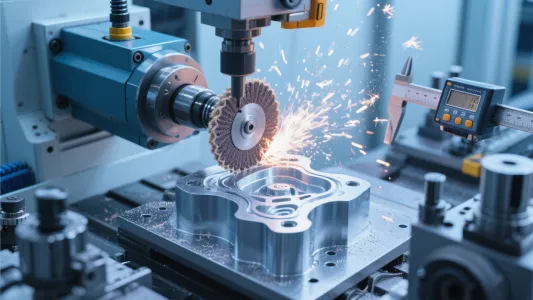 134
|
custom diamond grinding wheel
cast iron machining efficiency
crankshaft grinding solution
chip removal groove design
automotive component grinding
134
|
custom diamond grinding wheel
cast iron machining efficiency
crankshaft grinding solution
chip removal groove design
automotive component grinding
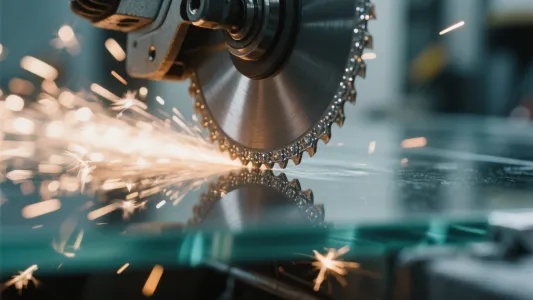 43
|
diamond saw blade wear
extreme cutting conditions
casting industry tool maintenance
cutting efficiency improvement
blade lifespan extension
43
|
diamond saw blade wear
extreme cutting conditions
casting industry tool maintenance
cutting efficiency improvement
blade lifespan extension
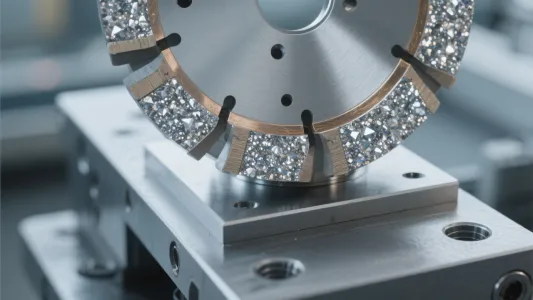 356
|
diamond grinding disc
gray cast iron machining
metal vacuum brazed tools
cutting efficiency improvement
superhard material tools
356
|
diamond grinding disc
gray cast iron machining
metal vacuum brazed tools
cutting efficiency improvement
superhard material tools





.png?x-oss-process=image/resize,m_fill,h_300,w_300/format,webp)