The machining of gray cast iron has long presented metallurgists and manufacturing engineers with persistent challenges due to its abrasive nature and complex microstructure. Traditional resin-bonded grinding wheels, while widely used, often fall short in tool life, cutting efficiency, and surface finish quality, escalating operational costs and process variability. Recent innovations with metal vacuum brazed diamond tools have ushered a paradigm shift, providing superior hardness and wear resistance essential for high-precision finishing tasks. This article delves into the technical advantages and practical application of diamond grinding wheels for gray cast iron, emphasizing the transition from empirically driven settings toward data-backed parameter optimization.
Resin-bonded diamond wheels have traditionally been favored for their versatility but suffer from limited hardness and rapid wear when tackling abrasive gray cast iron. The bonding material’s relatively low thermal conductivity leads to heat accumulation, accelerating tool degradation and compromising surface integrity. In contrast, metal vacuum brazing technology creates a robust metallurgical bond between diamond grains and the wheel substrate, significantly elevating hardness—up to 60 HRC—and thermal resistance. This process yields tools with 30-50% longer service life and enhanced dimensional stability, ultimately improving cost-efficiency by reducing downtime and wheel replacements.
The superior wear resistance of vacuum brazed diamond tools transforms them into premium choices for precision finishing, particularly critical in sectors like automotive component manufacturing and power generation where consistent part quality is non-negotiable.
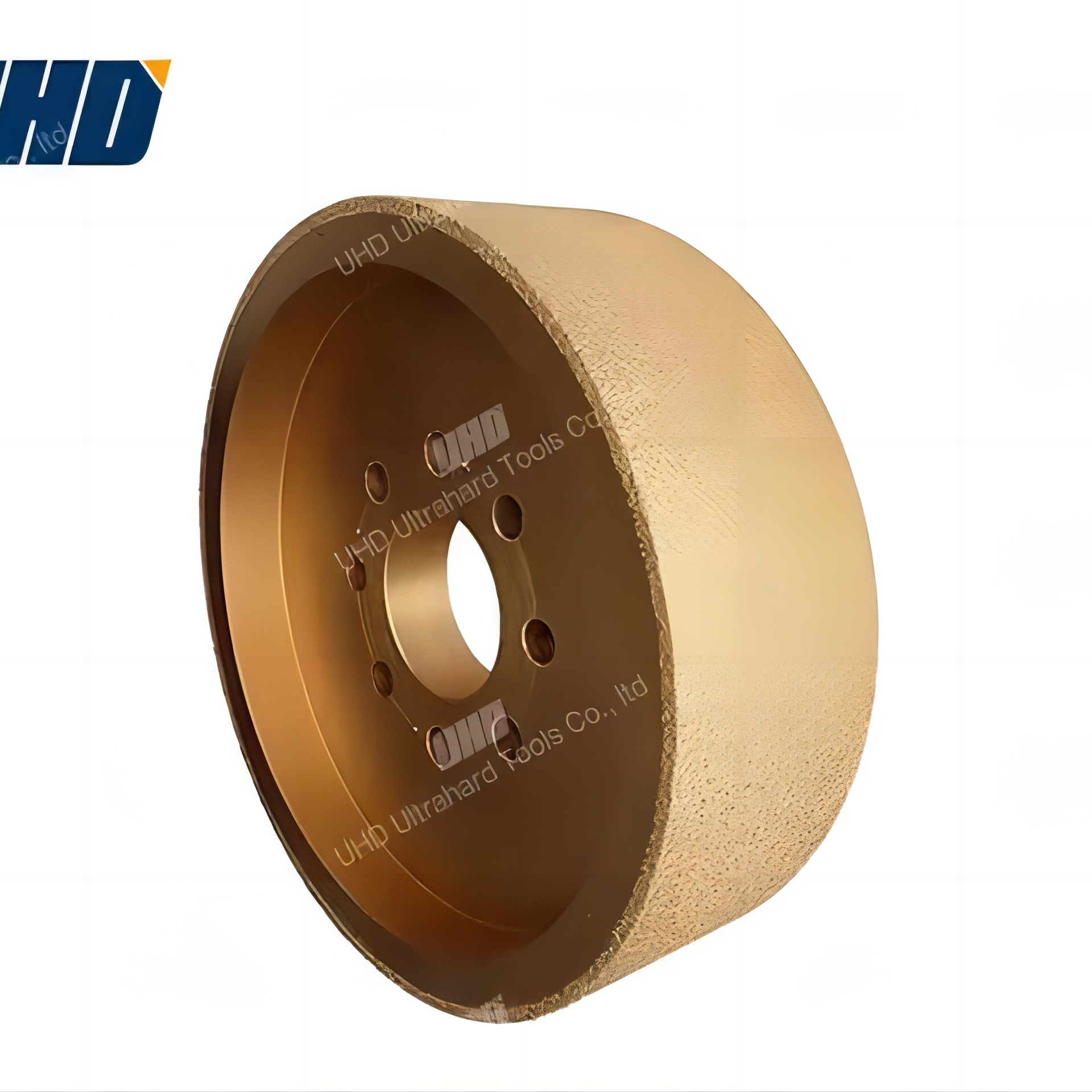
Beyond bonding methods, the geometry of diamond tools plays a critical role in machining stability and effectiveness. Studies and industrial case analyses reveal that optimized grain size distribution and controlled wheel topography directly influence cutting forces and heat dissipation. For example, a finer diamond grain enhances surface finish but may reduce removal rates, whereas coarser grains improve material removal but risk surface damage. Tailoring tool geometry to the specific alloy grades of gray cast iron delivers synergy between longevity and performance.
This balance translates into a practical increase in tool life by approximately 25% to 40%, markedly reducing non-productive maintenance intervals and enhancing overall process reliability.
Transitioning from experience-based settings to a data-driven parameter framework is vital to unlocking the full potential of diamond tools. Empirical data from machining gray cast iron with vacuum brazed diamond grinding wheels recommend cutting speeds in the range of 40–60 m/s and feed rates between 0.015 and 0.03 mm/tooth for typical finishing operations. The depth of cut is optimally maintained under 0.05 mm to prevent thermal damage and maintain surface integrity.
Implementing real-time monitoring of vibration and acoustic emission signals enables operators to fine-tune these parameters actively, achieving surface roughness (Ra) values below 0.4 μm while maintaining processing times within the desired cycle.
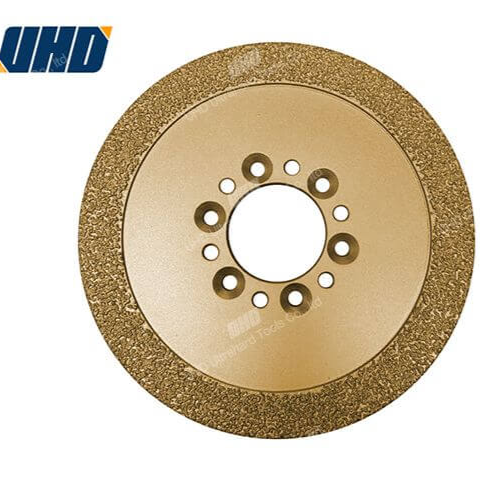
In the shop floor context, consistent tool performance necessitates active maintenance regimes. Key practices include periodic dressing of the diamond wheels using a precise diamond dresser to restore wheel topography, thereby stabilizing cutting conditions. Monitoring wheel wear patterns through microscopic inspection can preempt unexpected breakdowns.
Troubleshooting common issues like excessive tool vibrations or surface burn involves incremental adjustment of feed rates and coolant application. For instance, reducing feed by 10% and increasing coolant flow by 20% has been proven effective in minimizing thermal damage during demanding machining sequences.
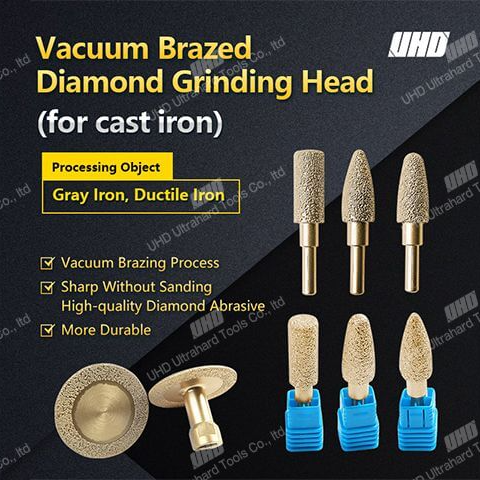
The trajectory of diamond tool evolution is geared towards integrating smart manufacturing capabilities—embedding sensors into tools for predictive maintenance and adaptive parameter control. Nanostructured diamond coatings and hybrid bonding techniques promise to push the durability frontier further by 20-30%, opening new avenues in aerospace-grade component machining and advanced automotive parts finishing.
As industry standards tighten for precision and productivity, leveraging these innovations within gray cast iron finishing processes will be critical for maintaining competitive advantage.
Unlock the full potential of your gray cast iron finishing process with our expert consultation and state-of-the-art vacuum brazed diamond grinding tools. Reach out now for free technical support and personalized parameter optimization guidance.
Explore Advanced Diamond Tool Solutions Today
 44
|
44
|
 diamond saw blade performance
high vibration blade diagnostics
cutting efficiency monitoring
blade wear identification
on-site blade inspection methods
333
|
Diamond saw blade detection
Extreme environment cutting
Cutting tool condition management
Portable detection methods
Saw blade performance evaluation
398
|
diamond saw blade monitoring
intermittent cutting techniques
saw blade performance testing
superabrasive tool maintenance
cutting efficiency optimization
209
|
diamond saw blade chipping
gray cast iron cutting
thermal stress control
cutting parameter optimization
saw blade maintenance
diamond saw blade performance
high vibration blade diagnostics
cutting efficiency monitoring
blade wear identification
on-site blade inspection methods
333
|
Diamond saw blade detection
Extreme environment cutting
Cutting tool condition management
Portable detection methods
Saw blade performance evaluation
398
|
diamond saw blade monitoring
intermittent cutting techniques
saw blade performance testing
superabrasive tool maintenance
cutting efficiency optimization
209
|
diamond saw blade chipping
gray cast iron cutting
thermal stress control
cutting parameter optimization
saw blade maintenance
 392
|
customized diamond grinding wheels for cast iron
diamond wheel selection guide
gray cast iron deburring solutions
precision machining tool design
high-speed cast iron grinding discs customization
392
|
customized diamond grinding wheels for cast iron
diamond wheel selection guide
gray cast iron deburring solutions
precision machining tool design
high-speed cast iron grinding discs customization






.png?x-oss-process=image/resize,m_fill,h_300,w_300/format,webp)
.png?x-oss-process=image/resize,m_fill,h_300,w_300/format,webp)

.png?x-oss-process=image/resize,m_fill,h_400,w_400/format,webp)