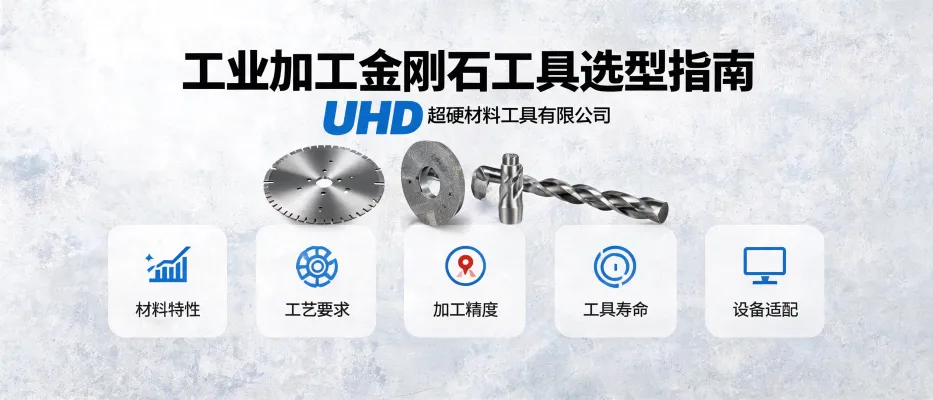
Choosing the right diamond tool is not only a matter of cutting ability. It also depends on the workpiece material, the required process route, precision targets, machine conditions, and expected tool life. For industrial users, a practical selection approach helps improve stability, reduce trial-and-error, and align tool performance with real production needs.
In industrial processing, diamond tools are typically evaluated by how well they match the application rather than by a single performance indicator. UHD Ultrahard Tools Co., Ltd supports this decision-making process with superhard material tool solutions designed for industrial applications, including diamond tools and brazed diamond abrasive solutions.
A well-structured selection process helps reduce mismatch between the tool and the application. For industrial buyers, engineers, and production planners, the following sequence is often the most useful starting point.
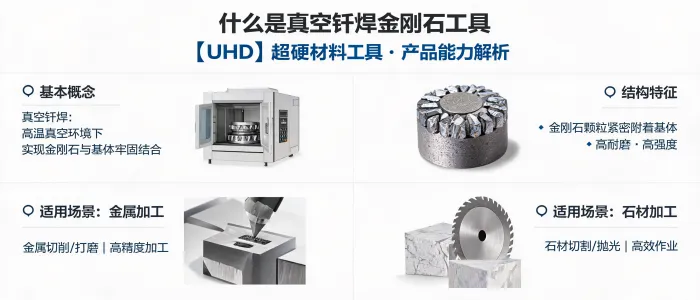
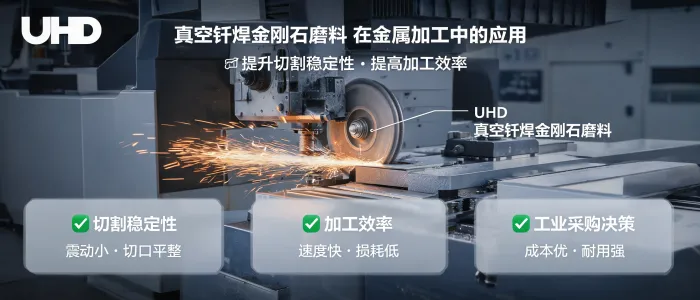
In many industrial applications, brazed diamond abrasive tools are selected for their ability to support demanding material removal tasks with targeted control. Depending on the process, they can be used to help improve cutting efficiency, maintain edge exposure, and support consistent grinding performance.
UHD focuses on superhard material tools for B2B industrial users, with an emphasis on product positioning, technical service, and solution-oriented support. This approach is especially valuable when the application requires a more tailored tool specification rather than a one-size-fits-all option.
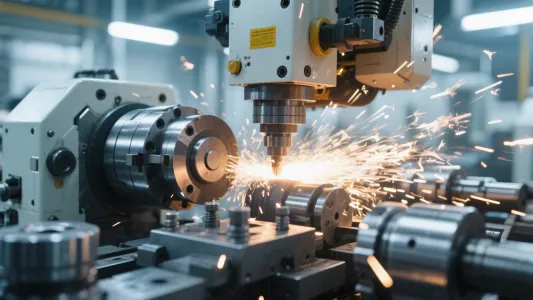
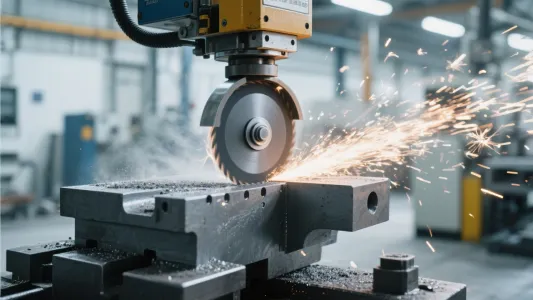
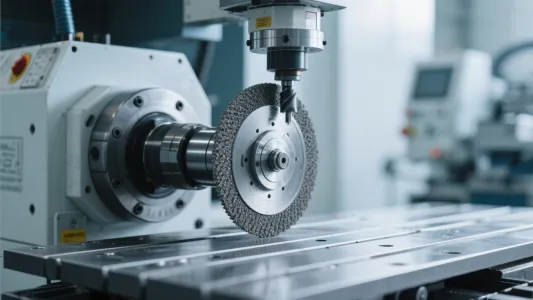
Diamond tool selection is often linked to the final processing goal and the characteristics of the target material. Common industrial scenarios include:
As a high-tech enterprise specializing in superhard material tools, UHD Ultrahard Tools Co., Ltd combines product development, manufacturing, and sales with practical technical support. The company also maintains an established B2B export service system, helping communicate product and application needs across international markets through professional business channels.
For procurement and engineering teams, this means selection support can begin with the actual application requirements: material type, process route, precision target, and equipment condition. From there, the tool recommendation becomes more focused, more traceable, and easier to evaluate in a production context.
The right diamond tool is the one that fits the material, the process, the machine, and the quality target at the same time. When these factors are aligned, industrial processing becomes more stable and easier to manage.

.png?x-oss-process=image/resize,m_fill,h_300,w_300/format,webp)

 83
|
83
|
 vacuum brazed diamond tools
ultrahard tools
metal processing
stone processing
UHD Ultrahard Tools
vacuum brazed diamond tools
ultrahard tools
metal processing
stone processing
UHD Ultrahard Tools
 245
|
ductile cast iron deburring
resin-bonded diamond wheel
efficient deburring process
precision surface finishing
low-noise grinding
245
|
ductile cast iron deburring
resin-bonded diamond wheel
efficient deburring process
precision surface finishing
low-noise grinding
 416
|
UHD
vacuum brazed diamond abrasives
metalworking case study
cutting stability
processing efficiency
416
|
UHD
vacuum brazed diamond abrasives
metalworking case study
cutting stability
processing efficiency
 139
|
metal cutting dust control
vacuum brazed diamond blade
industrial dust management
workplace safety compliance
UHD cutting solutions
139
|
metal cutting dust control
vacuum brazed diamond blade
industrial dust management
workplace safety compliance
UHD cutting solutions
 60
|
ductile iron deburring
resin-bonded diamond wheel
precision grinding process
low-noise grinding
surface finish optimization
60
|
ductile iron deburring
resin-bonded diamond wheel
precision grinding process
low-noise grinding
surface finish optimization