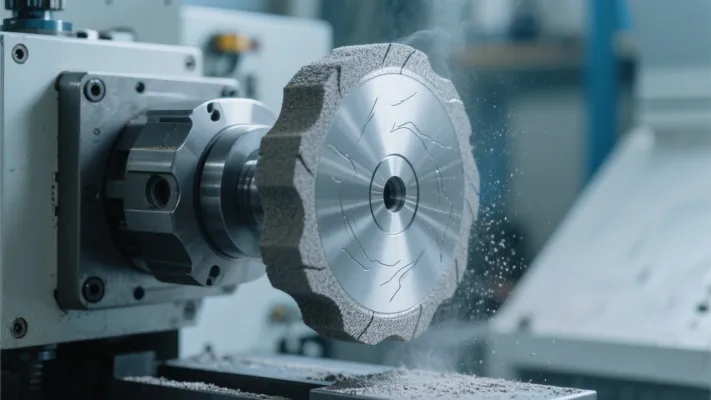
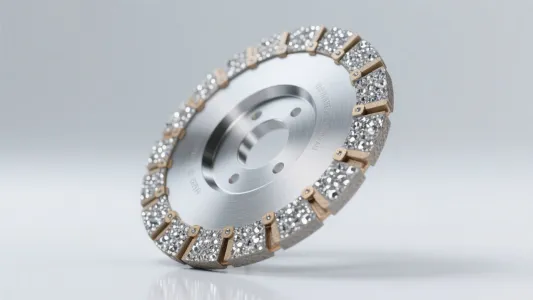
When it comes to precision deburring of ductile iron components—common in automotive, aerospace, and heavy machinery industries—the geometry of your diamond grinding wheel isn’t just a detail—it’s the key to performance. A well-chosen shape directly impacts cutting efficiency, surface finish, tool life, and even operator safety.
According to industry data from the International Association of Abrasive Technology (IAAT), improper wheel geometry can reduce deburring efficiency by up to 35% while increasing heat generation by 40%. For ballistically critical parts made from ductile iron—where dimensional accuracy and surface integrity are non-negotiable—a mismatched wheel leads not only to longer cycle times but also to inconsistent results across batches.
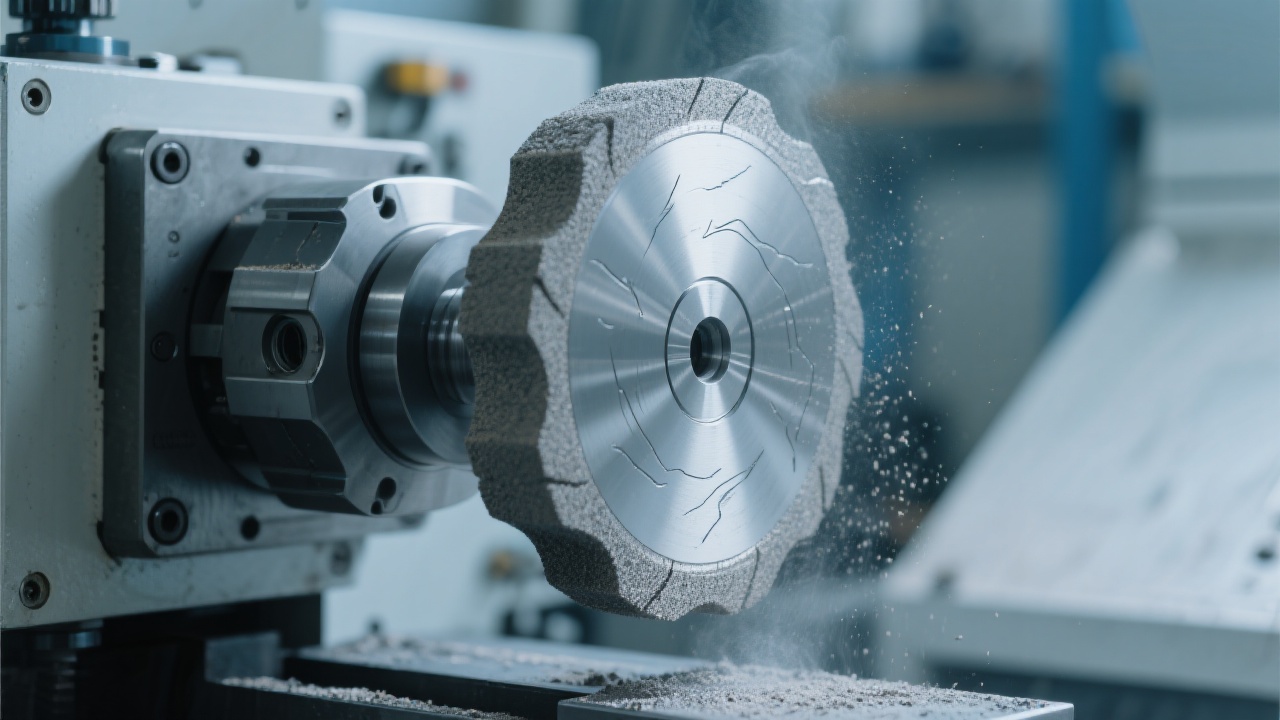
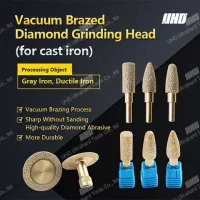
Spherical wheels excel in contour-following applications—ideal for complex geometries like gear teeth or camshafts. They offer uniform pressure distribution, reducing chatter and improving edge definition. In one case study with a German automotive supplier, switching from flat to spherical wheels reduced noise levels by 12 dB(A) and cut deburring time per part by 18%.
Flat wheels remain the go-to for large flat surfaces such as cylinder heads or brake discs. Their high contact area allows consistent material removal rates—but must be paired with proper coolant flow to manage thermal buildup. UHD’s resin-bonded flat wheels have demonstrated over 25% longer life than standard metal-bonded alternatives under similar conditions.
Conical wheels shine in corner deburring and internal chamfering tasks. With tapered profiles, they concentrate cutting force at the tip, minimizing stress on adjacent surfaces. This is especially beneficial when working with thin-walled ductile iron castings prone to deformation.
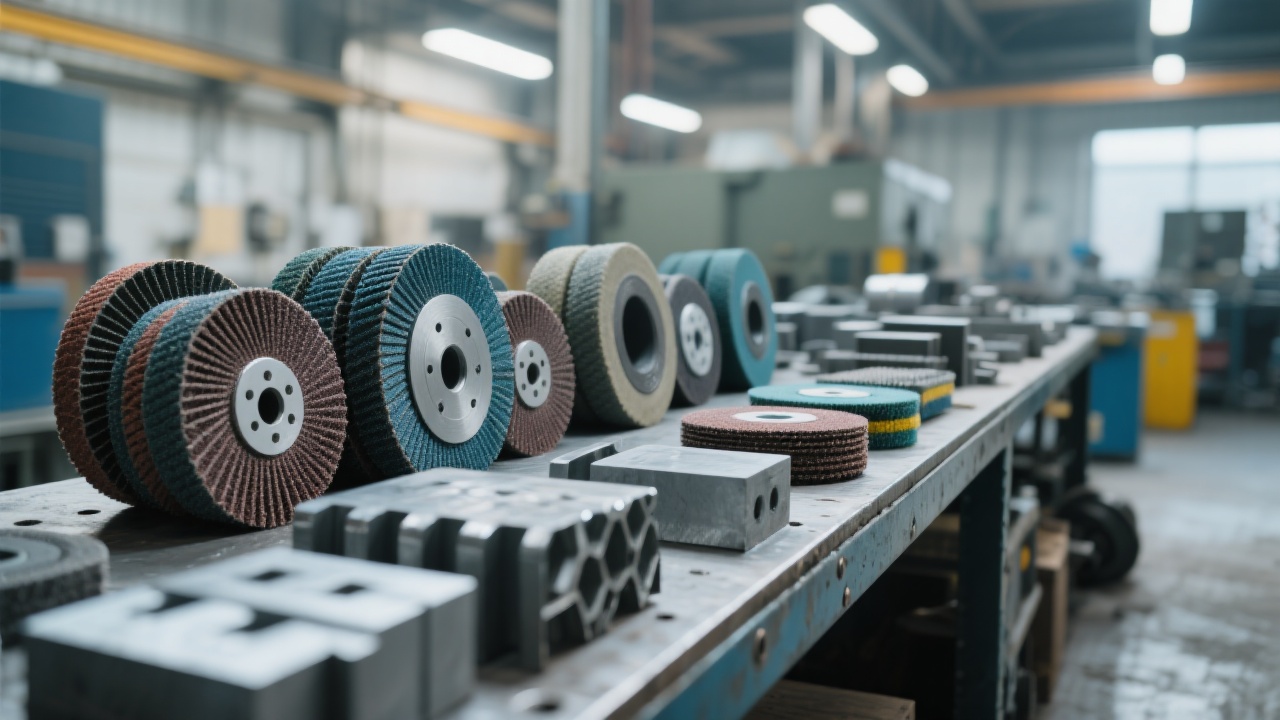
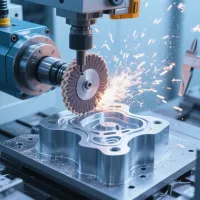
Heat accumulation during grinding is a silent killer of both tool life and part quality. Research shows that optimized wheel geometry can lower peak temperature by up to 30°C compared to poorly matched shapes. This translates into fewer thermal cracks in ductile iron parts and extended wheel lifespan—often by 2–3x in real-world production environments.
“We saw immediate improvements after adopting UHD’s custom-shaped wheels. Our operators reported less vibration, better visibility, and significantly fewer rework cases.” — Engineering Manager, Tier-1 Automotive Supplier, Germany
Moreover, proper geometry enhances chip evacuation, reducing clogging and preventing overheating. This is crucial for maintaining CE-certified compliance in EU markets where dust and noise regulations are strict.
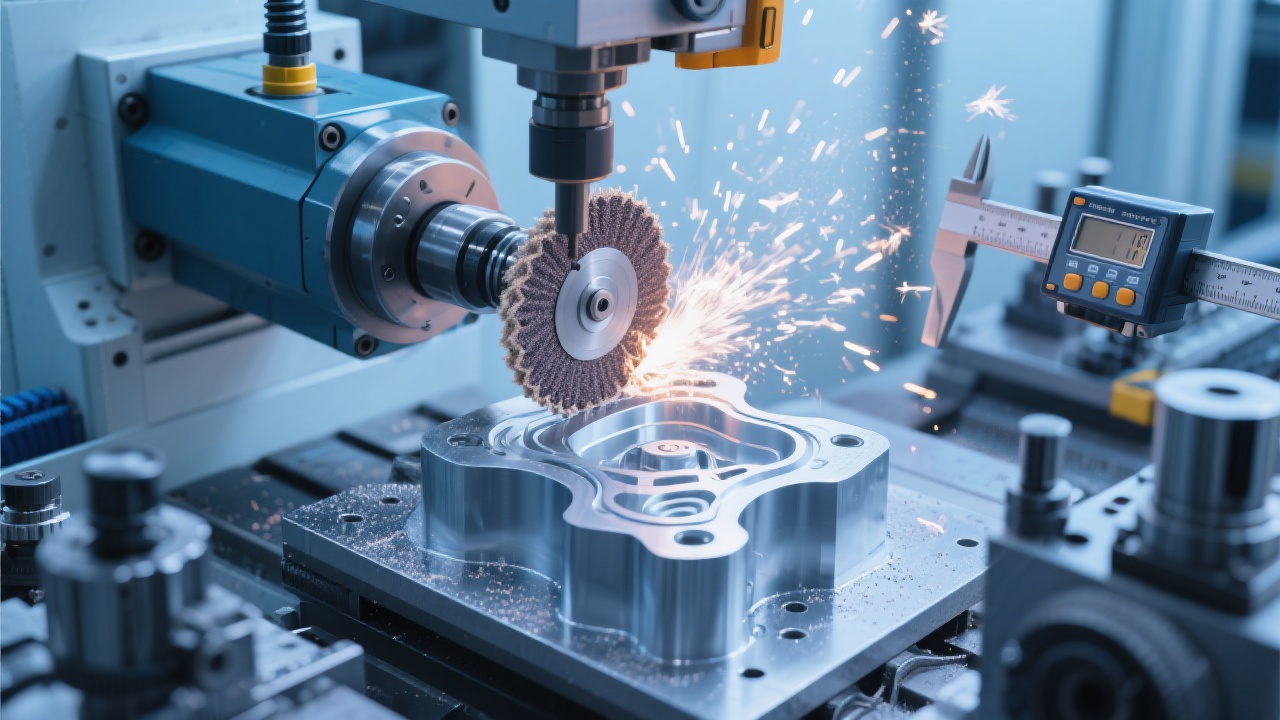
If you're optimizing your deburring process for ductile iron, don't guess—design. Whether it's a spherical profile for contouring, a flat face for broad surfaces, or a conical tip for corners, selecting the right diamond wheel geometry is foundational to achieving consistent, high-quality results.
Let UHD’s application engineers help you choose the ideal geometry for your specific ductile iron component and process. No generic solutions—just tailored performance.
Explore UHD’s Custom Diamond Wheel Designs →

 93
|
93
|
 eco-friendly cutting disc
vacuum brazed diamond cutting disc
metalworking durability
industrial dust control
CE certified cutting disc
eco-friendly cutting disc
vacuum brazed diamond cutting disc
metalworking durability
industrial dust control
CE certified cutting disc
 366
|
gray cast iron machining
diamond grinding wheel
surface finish optimization
tool life extension
vacuum brazed diamond tools
366
|
gray cast iron machining
diamond grinding wheel
surface finish optimization
tool life extension
vacuum brazed diamond tools
 446
|
diamond saw blade chipping
gray cast iron cutting
thermal stress control
cutting parameter optimization
foundry machining
446
|
diamond saw blade chipping
gray cast iron cutting
thermal stress control
cutting parameter optimization
foundry machining
 163
|
diamond saw blade chipping
gray cast iron cutting
thermal stress control
cutting parameter optimization
UHD diamond blades
163
|
diamond saw blade chipping
gray cast iron cutting
thermal stress control
cutting parameter optimization
UHD diamond blades
 390
|
metal cutting dust control
vacuum brazed diamond blade
foundry cutting emissions
industrial dust and fume reduction
UHD diamond cutting disc
390
|
metal cutting dust control
vacuum brazed diamond blade
foundry cutting emissions
industrial dust and fume reduction
UHD diamond cutting disc