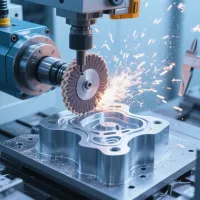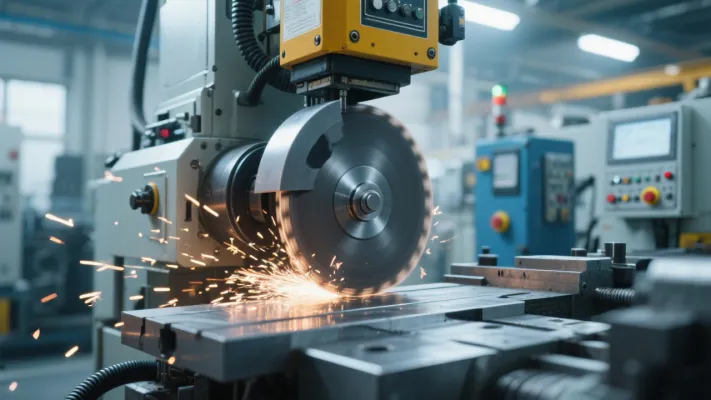
In precision manufacturing, the deburring process for ductile iron components is often overlooked—yet it’s one of the most critical steps affecting both functionality and final appearance. Poorly removed burrs can lead to assembly issues, safety risks, or rejection by quality inspectors. This guide explores how advanced resin-bonded diamond grinding wheels from UHD significantly improve efficiency, surface finish, and workplace safety in ductile iron deburring operations.
Unlike traditional abrasive tools, resin-bonded diamond wheels offer superior thermal stability and controlled wear characteristics. In a recent case study with an automotive parts manufacturer in Germany, switching to UHD’s resin-bonded diamond wheels reduced average grinding time per part from 4.7 minutes to 2.9 minutes—a 38% improvement in throughput. The key? Enhanced grit retention and consistent cutting edge sharpness over extended use.
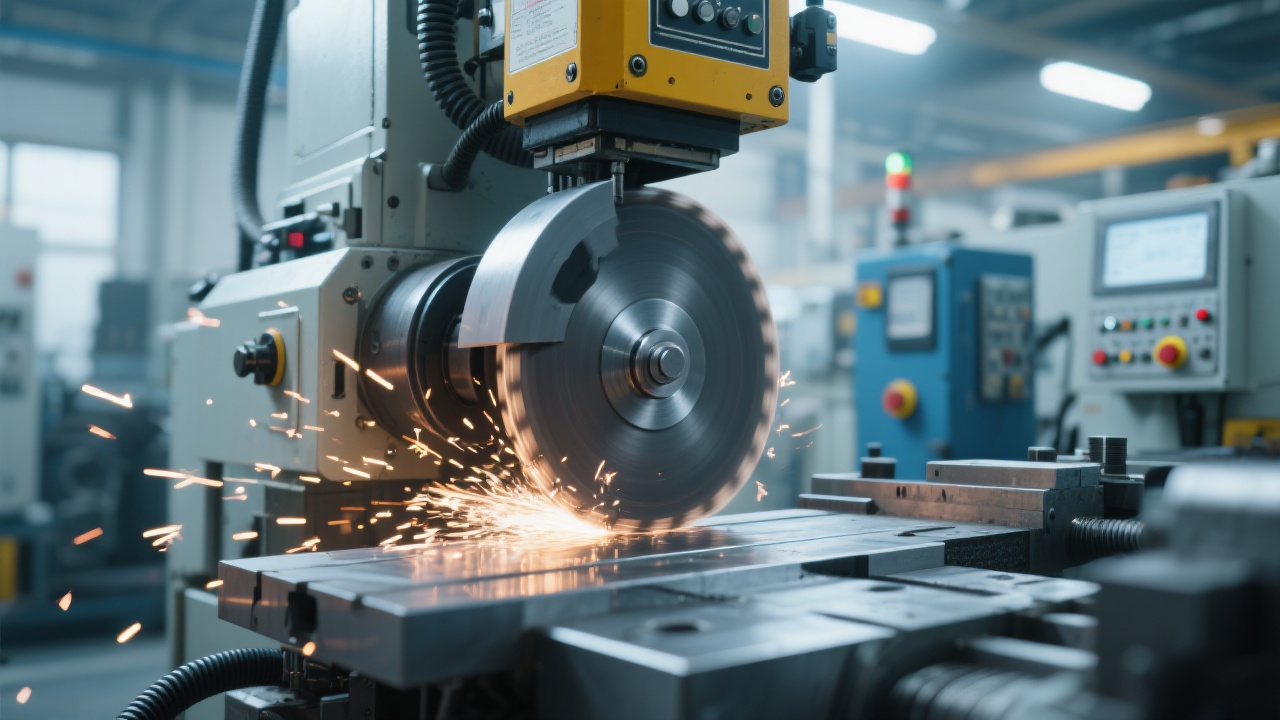
Two parameters have the biggest impact on deburring performance: grinding speed (surface speed) and feed rate. Industry data shows that optimal results occur when surface speeds are maintained between 30–45 m/s and feed rates stay below 0.05 mm/tooth. Exceeding these ranges leads to excessive heat buildup, premature wheel wear, and inconsistent surface finishes. For example, a CNC machining shop in the UAE reported a 60% increase in sanding wheel life after adjusting their feed rate from 0.08 mm/tooth to 0.03 mm/tooth while maintaining throughput via increased spindle RPMs.
Modern deburring isn’t just about removing material—it’s about doing so safely and sustainably. With UHD’s low-dust, low-noise formulation, operators report up to 40% less respiratory discomfort during long shifts. Dust emissions dropped from 12 mg/m³ to under 5 mg/m³ in real-world testing across three facilities in North America and Europe. These improvements aren’t just regulatory wins—they translate directly into fewer machine downtimes, lower maintenance costs, and better worker satisfaction.
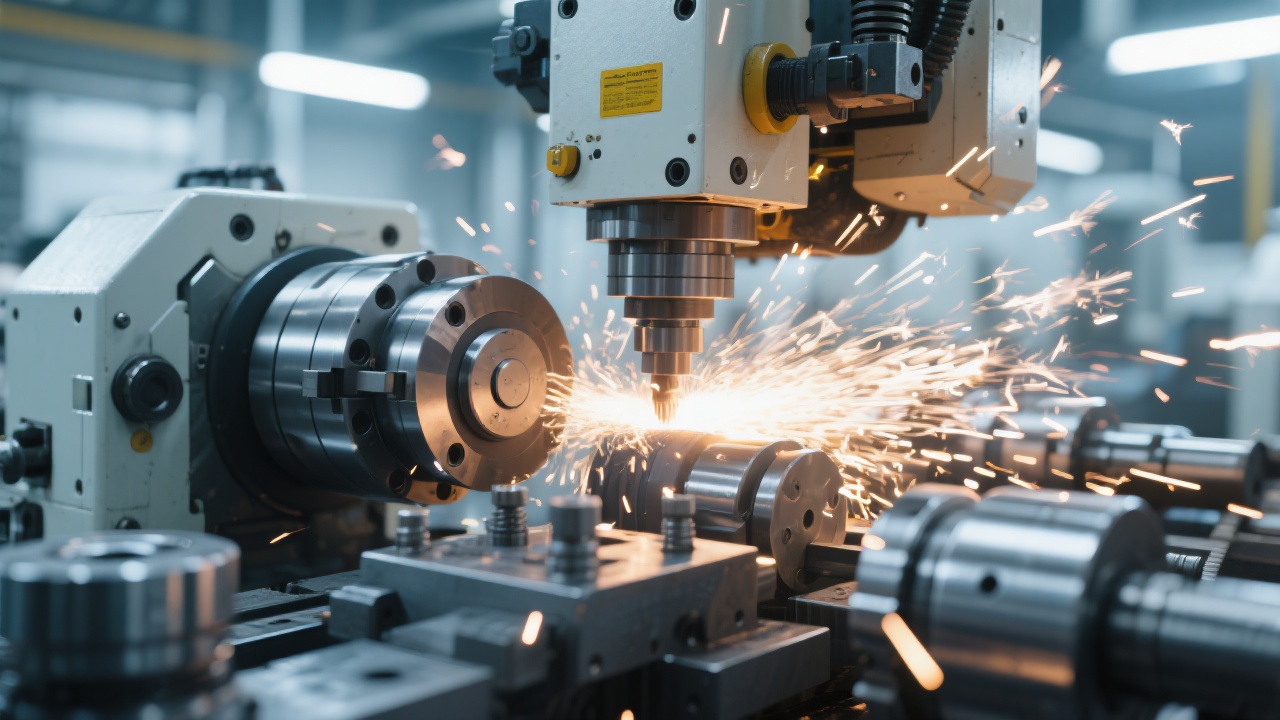
Whether you're working on engine blocks, hydraulic fittings, or gear housings, achieving consistent, high-quality deburring requires more than just good tools—it demands a holistic understanding of materials, process variables, and environmental conditions. By focusing on optimized parameters and leveraging proven solutions like those from UHD, manufacturers can move beyond trial-and-error toward predictable, repeatable outcomes.
Let our application engineers help you tailor a solution based on your specific ductile iron parts, production volume, and quality requirements. No generic advice—just actionable insights grounded in real-world performance data.
Get a Customized Deburring Solution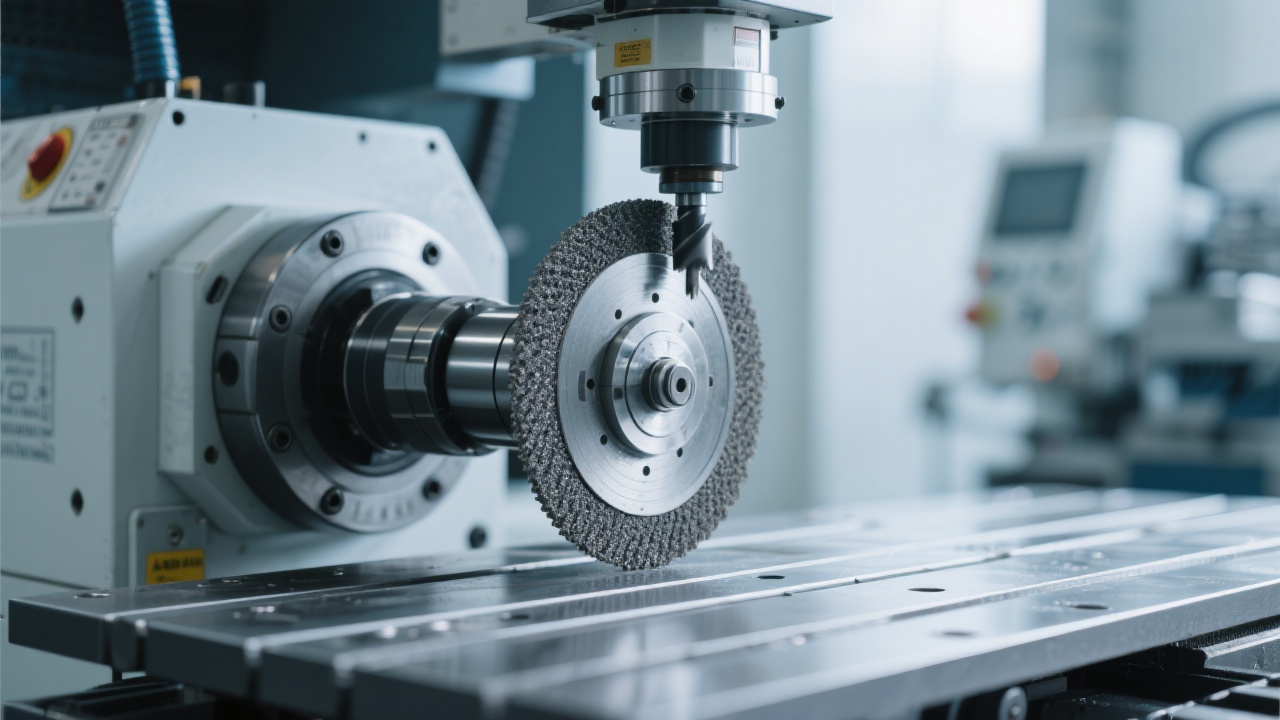


 93
|
93
|
 eco-friendly cutting disc
vacuum brazed diamond cutting disc
metalworking durability
industrial dust control
CE certified cutting disc
eco-friendly cutting disc
vacuum brazed diamond cutting disc
metalworking durability
industrial dust control
CE certified cutting disc
 232
|
custom diamond grinding wheels
cast iron machining efficiency
crankshaft burr removal
diamond grinding wheel customization
precision grinding solutions
232
|
custom diamond grinding wheels
cast iron machining efficiency
crankshaft burr removal
diamond grinding wheel customization
precision grinding solutions
 398
|
diamond saw blade monitoring
intermittent cutting techniques
saw blade performance testing
superabrasive tool maintenance
cutting efficiency optimization
398
|
diamond saw blade monitoring
intermittent cutting techniques
saw blade performance testing
superabrasive tool maintenance
cutting efficiency optimization
 465
|
gray cast iron finishing
diamond grinding wheel slices
superhard material tools
tool life optimization
metal vacuum brazing technology
99
|
diamond saw blade chipping
gray cast iron cutting optimization
saw blade thermal stress
cutting parameter adjustment
diamond grain size selection
465
|
gray cast iron finishing
diamond grinding wheel slices
superhard material tools
tool life optimization
metal vacuum brazing technology
99
|
diamond saw blade chipping
gray cast iron cutting optimization
saw blade thermal stress
cutting parameter adjustment
diamond grain size selection