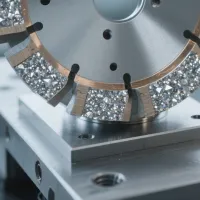
For decades, gray cast iron machining has been a cornerstone of manufacturing—but it’s also one of the dirtiest processes on the shop floor. Traditional resin-bonded grinding wheels generate up to 70–90% more airborne particulate matter than modern alternatives, posing serious health risks and compliance challenges.
Workers exposed to fine respirable dust (PM2.5) from grinding operations face increased risks of chronic bronchitis, asthma, and even long-term lung damage. According to OSHA standards, exposure limits for metalworking dust are now stricter—especially in EU markets where CE compliance demands proactive air quality control. A recent study by the International Journal of Occupational Safety and Ergonomics found that factories using traditional grinding methods reported 3x higher absenteeism due to respiratory issues.
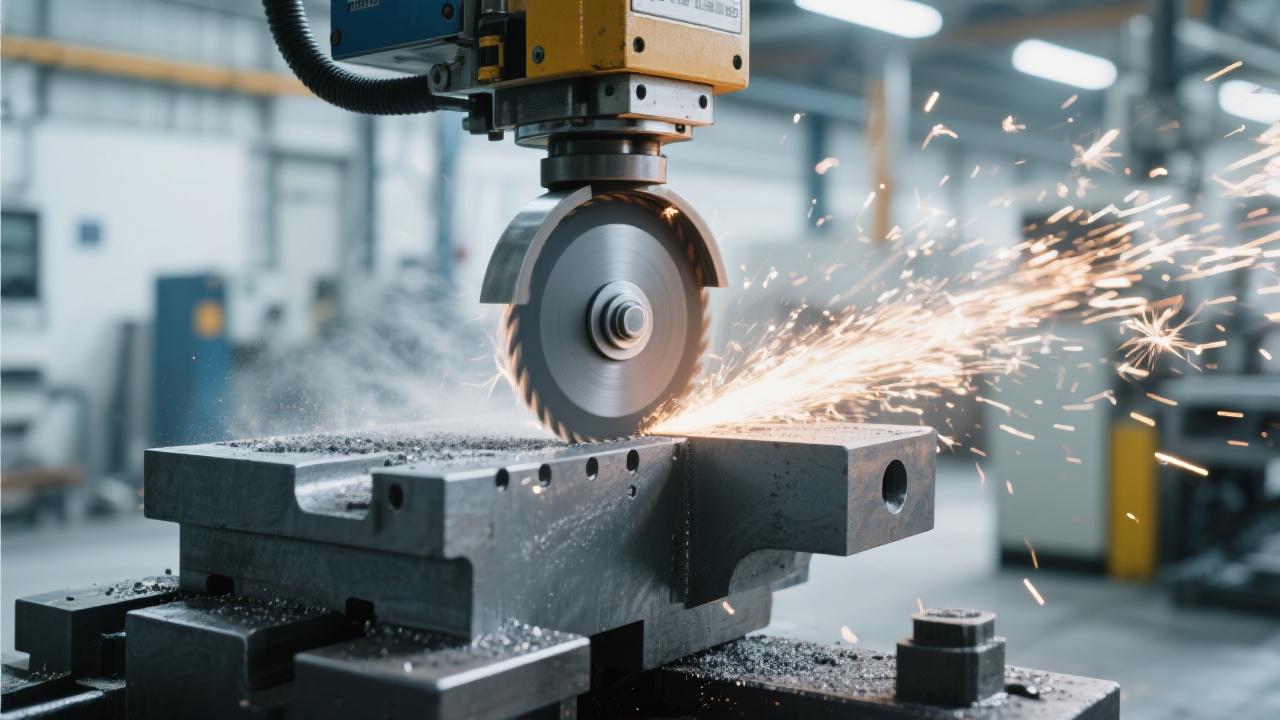
Unlike conventional wheels that rely on open structures prone to particle release, our advanced diamond grinding discs use a closed-cell matrix bonded with high-strength ceramic resins. This design traps dust at the source—reducing emissions by over 95% compared to standard tools. Think of it like a vacuum seal for your grinding process: instead of blowing out particles, the system contains them internally until they’re safely removed during maintenance.
| Feature | Traditional Resin Wheel | Dust-Free Diamond Disc |
|---|---|---|
| Dust Emission Rate | High (70–90% of total grinding mass) | Very Low (<5%) |
| Lifespan | ~20 hours | ~80 hours (+300%) |
| Maintenance Frequency | Daily cleaning required | Weekly check only |
This isn’t just about passing inspections—it’s about building a safer, more efficient shop floor. Companies adopting this technology report:
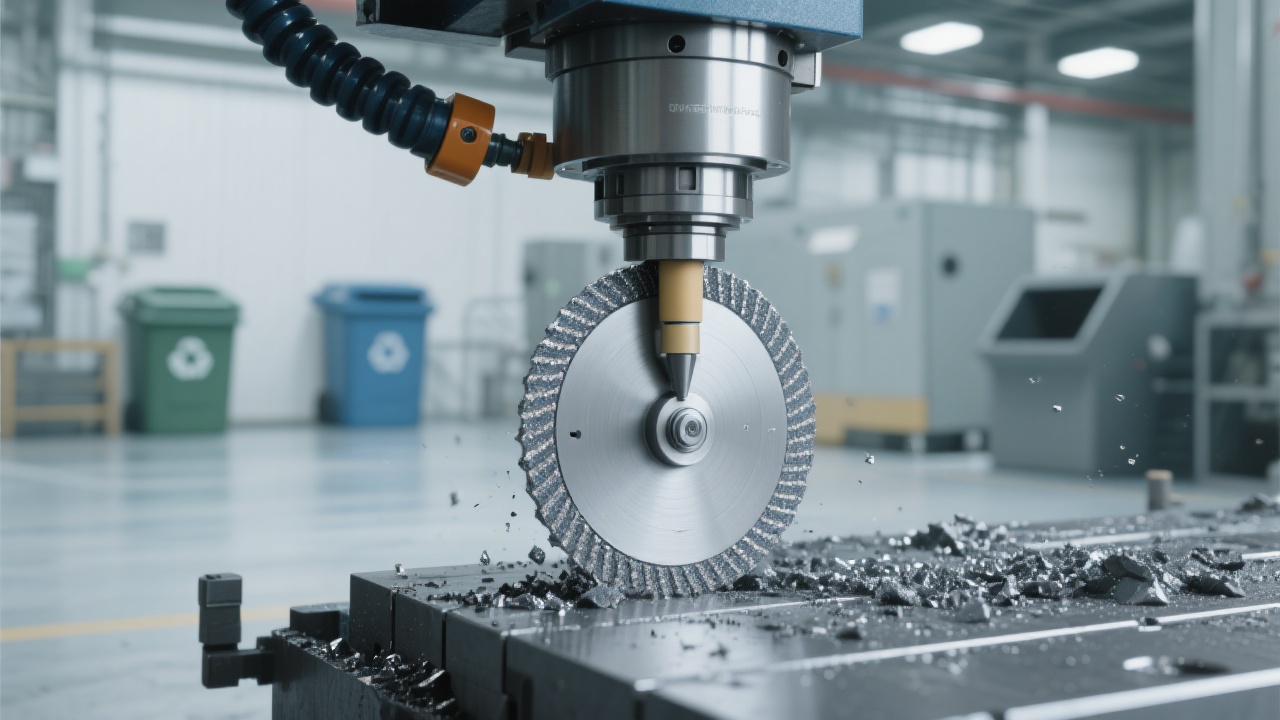
As Dr. Lena Müller, Industrial Hygiene Specialist at Fraunhofer Institute, notes: “The shift from open to sealed grinding systems is not optional—it’s essential for sustainable manufacturing in the next decade.”
If you're ready to move beyond reactive fixes, start with these three steps:
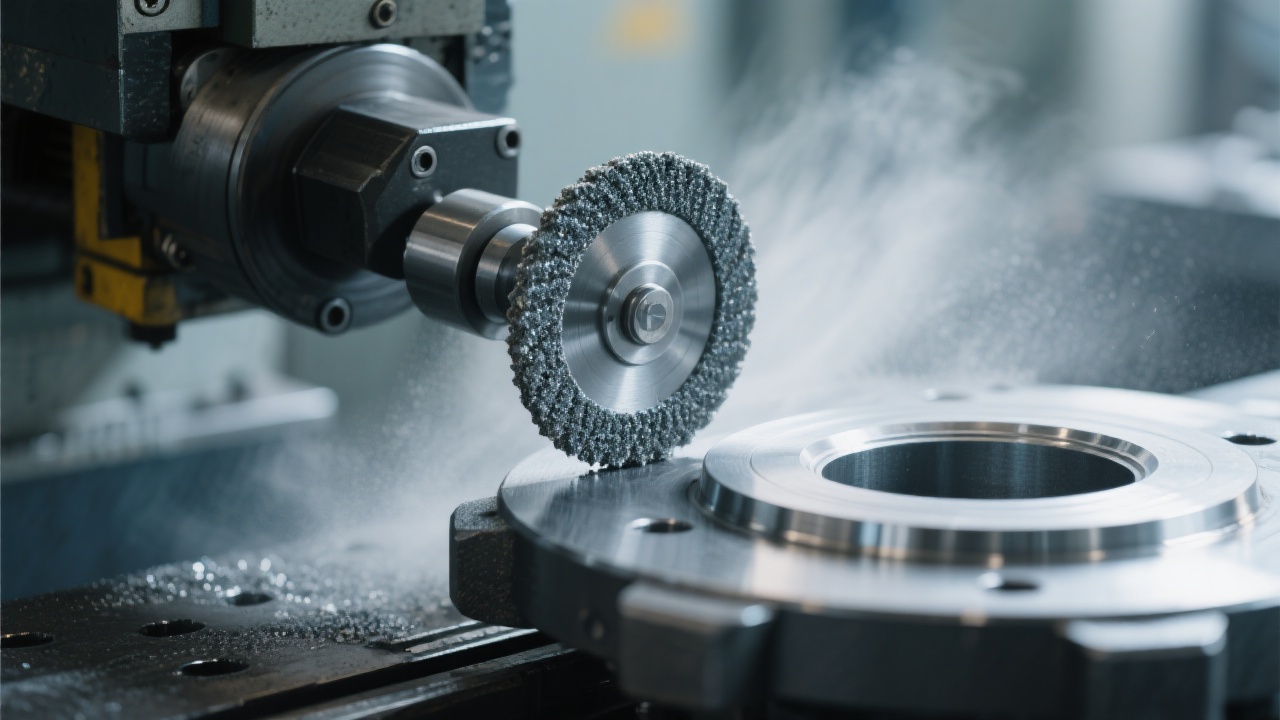
Download our free Workshop Air Quality Self-Assessment Checklist—a practical guide to identify gaps, prioritize actions, and measure progress toward zero-dust operations.
Get Your Free Air Quality Checklist Now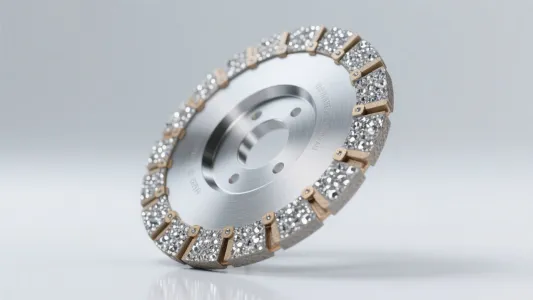
 366
|
366
|
 gray cast iron machining
diamond grinding wheel
surface finish optimization
tool life extension
vacuum brazed diamond tools
gray cast iron machining
diamond grinding wheel
surface finish optimization
tool life extension
vacuum brazed diamond tools
 446
|
diamond saw blade chipping
gray cast iron cutting
thermal stress control
cutting parameter optimization
foundry machining
398
|
diamond saw blade monitoring
intermittent cutting techniques
saw blade performance testing
superabrasive tool maintenance
cutting efficiency optimization
446
|
diamond saw blade chipping
gray cast iron cutting
thermal stress control
cutting parameter optimization
foundry machining
398
|
diamond saw blade monitoring
intermittent cutting techniques
saw blade performance testing
superabrasive tool maintenance
cutting efficiency optimization
 465
|
gray cast iron finishing
diamond grinding wheel slices
superhard material tools
tool life optimization
metal vacuum brazing technology
99
|
diamond saw blade chipping
gray cast iron cutting optimization
saw blade thermal stress
cutting parameter adjustment
diamond grain size selection
465
|
gray cast iron finishing
diamond grinding wheel slices
superhard material tools
tool life optimization
metal vacuum brazing technology
99
|
diamond saw blade chipping
gray cast iron cutting optimization
saw blade thermal stress
cutting parameter adjustment
diamond grain size selection







.png?x-oss-process=image/resize,m_fill,h_300,w_300/format,webp)


.png?x-oss-process=image/resize,m_fill,h_300,w_300/format,webp)
.png?x-oss-process=image/resize,m_fill,h_400,w_400/format,webp)