

In an era where manufacturing excellence meets environmental responsibility, the metalworking industry stands at a critical crossroads. Production demands continue to rise, yet regulatory pressures and sustainability goals have created an urgent need for equipment that delivers both performance and environmental compliance. Nowhere is this transformation more evident than in the adoption of environmentally friendly vacuum brazed diamond cutting discs – a technology that's rapidly redefining industry standards.
Traditional cutting discs have long struggled with a fundamental compromise: durability versus cutting efficiency. Conventional abrasive discs typically last between 15-40 cuts on medium carbon steel before requiring replacement, creating constant workflow interruptions and accumulating costs. Vacuum brazed diamond cutting discs, however, represent a paradigm shift in cutting technology.
Technical Breakthrough:
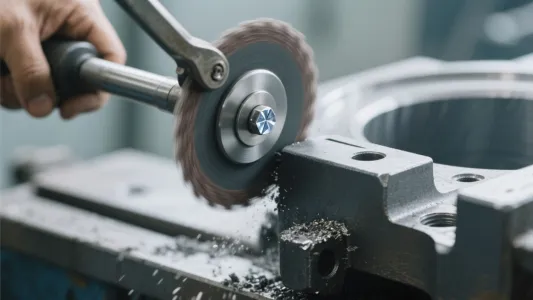
The vacuum brazing process creates a metallurgical bond between diamond particles and the disc substrate, exposing up to 70% of each diamond's surface area. This is a significant improvement over resin-bonded discs, which typically expose only 30-40% of diamond particles, severely limiting cutting efficiency and lifespan.
When properly applied, these advanced discs can achieve 300-500 cuts on similar materials – a 10x increase in lifespan that directly translates to reduced downtime and lower consumable costs. Manufacturing facilities implementing this technology report an average 22% reduction in cutting-related downtime and 18% lower per-unit cutting costs within the first six months of adoption.
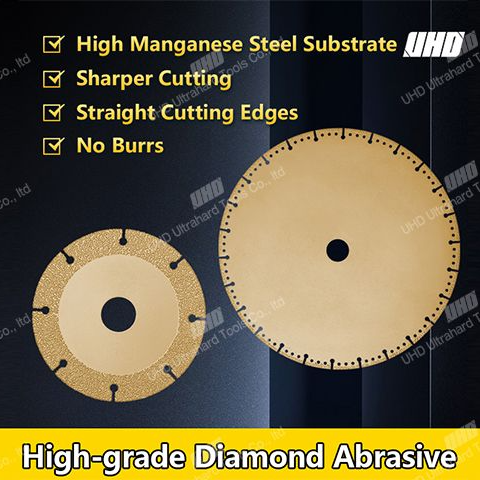
Metalworking operations face increasing scrutiny regarding particulate matter emissions, with OSHA setting permissible exposure limits (PELs) for respirable crystalline silica at 50 µg/m³ over an 8-hour workday. Traditional cutting methods often exceed these limits without expensive extraction systems.
Beyond particulate matter, conventional resin-bonded discs release volatile organic compounds (VOCs) when heated during cutting operations. These emissions not only create unpleasant odors but can also contain hazardous chemicals regulated under REACH and other environmental directives.
The vacuum brazing process eliminates these organic binders entirely, resulting in 99% reduction in VOC emissions compared to traditional cutting discs. This not only creates a healthier work environment but also reduces the need for expensive air filtration systems and compliance monitoring.
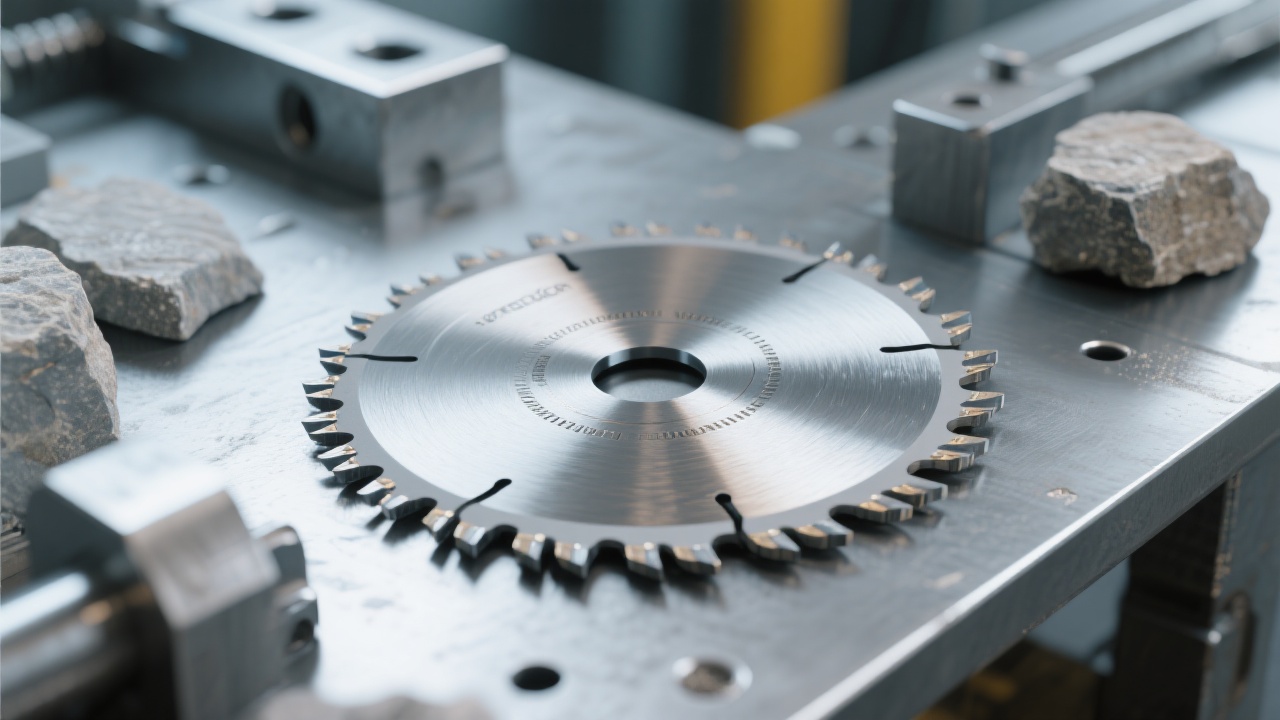
Modern metalworking facilities rarely work with a single material type, making versatility a critical factor in tool selection. Vacuum brazed diamond cutting discs excel across a broad spectrum of materials, including:
For manufacturers operating in the European market, CE certification is not merely a marketing advantage but a legal requirement. Vacuum brazed diamond cutting discs that meet CE standards undergo rigorous testing for:
Additionally, look for products compliant with ISO 13236 standards for abrasive cutting wheels, ensuring consistent quality and performance across production batches.
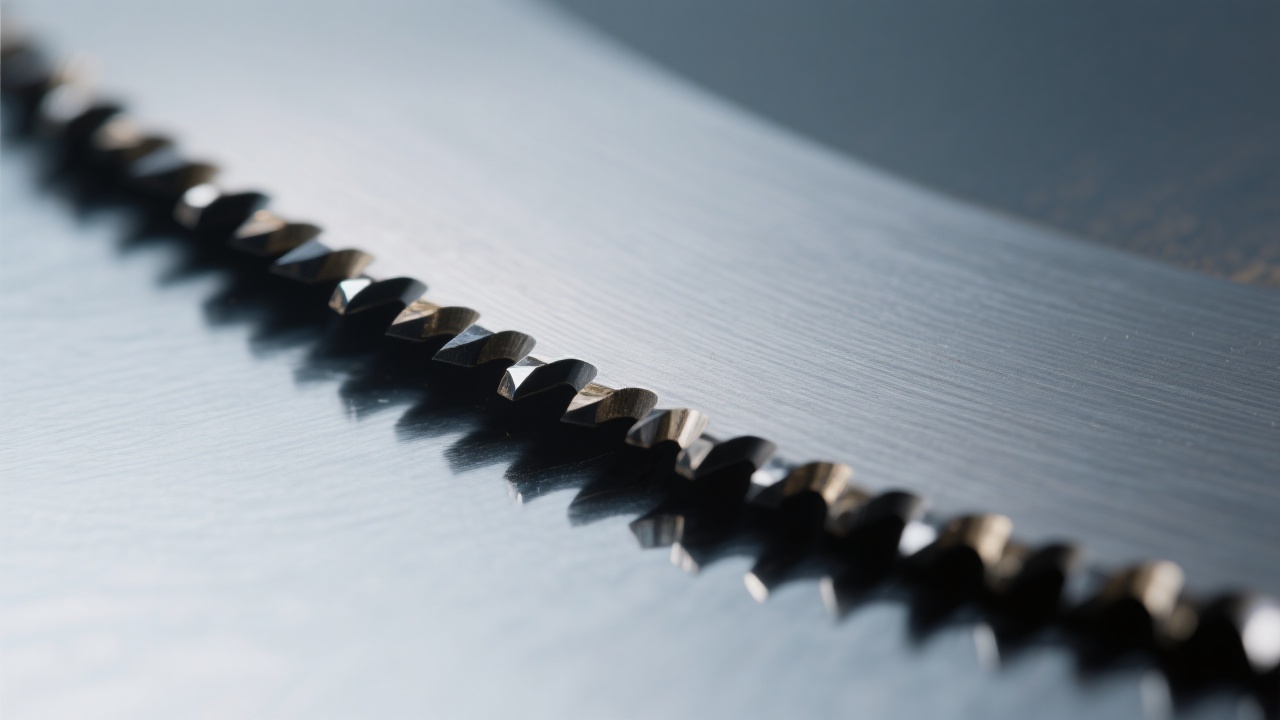
While the technical advantages of vacuum brazed diamond cutting discs are clear, realizing their full potential requires proper implementation. Manufacturing facilities that achieve the best results typically follow these guidelines:
Match disc specifications to material type and thickness. For example, cutting 10mm stainless steel requires a different approach than cutting 50mm carbon steel plate. As a general guideline:
Proper care extends disc life and ensures consistent performance:
Every metalworking facility has unique requirements based on materials, production volumes, and quality standards. Our team of cutting technology specialists can analyze your specific application and develop a customized cutting solution that maximizes efficiency while minimizing environmental impact.
Get Your Custom Vacuum Brazed Cutting AnalysisAs metalworking continues to evolve, the choice of cutting tools directly impacts competitiveness, regulatory compliance, and bottom-line performance. The transition to vacuum brazed diamond cutting technology represents not just an incremental improvement, but a fundamental shift toward more sustainable, efficient, and cost-effective manufacturing practices. For forward-thinking operations, this technology isn't merely an option – it's becoming an essential component of modern metalworking excellence.


 290
|
290
|
 vacuum brazing technology
high-performance diamond cutting blades
automated cutting solutions
metal cutting saw blades
cutting precision enhancement
vacuum brazing technology
high-performance diamond cutting blades
automated cutting solutions
metal cutting saw blades
cutting precision enhancement
 188
|
diamond saw blade wear assessment
cutting surface quality inspection
saw blade maintenance in extreme working environments
saw blade condition diagnosis methods
super - hard material tool usage skills
188
|
diamond saw blade wear assessment
cutting surface quality inspection
saw blade maintenance in extreme working environments
saw blade condition diagnosis methods
super - hard material tool usage skills
 479
|
vacuum brazed diamond saw blade
automated metal cutting
diamond blade parameters
UHS 600M16 blade compatibility
CE certified diamond blade
479
|
vacuum brazed diamond saw blade
automated metal cutting
diamond blade parameters
UHS 600M16 blade compatibility
CE certified diamond blade
 65
|
custom resin-bonded diamond grinding wheels
precision metal deburring
ductile iron machining
grinding wheel customization
industrial grinding solutions
65
|
custom resin-bonded diamond grinding wheels
precision metal deburring
ductile iron machining
grinding wheel customization
industrial grinding solutions
 177
|
ductile iron deburring
resin bonded diamond wheel
surface finish optimization
abrasive wheel longevity
precision machining
177
|
ductile iron deburring
resin bonded diamond wheel
surface finish optimization
abrasive wheel longevity
precision machining








.png?x-oss-process=image/resize,m_fill,h_300,w_300/format,webp)

.png?x-oss-process=image/resize,m_fill,h_300,w_300/format,webp)

.png?x-oss-process=image/resize,m_fill,h_200,w_200/format,webp)


