
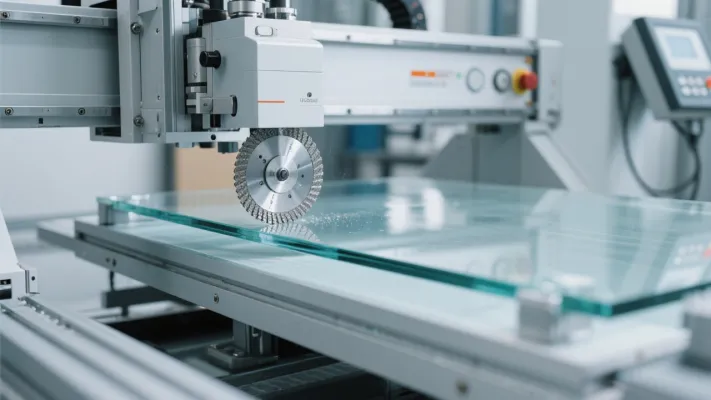
Gray cast iron is widely used in automotive, construction, and industrial machinery due to its excellent wear resistance and machinability. However, one of the most persistent challenges faced by fabricators is unexpected chipping or fracture of diamond saw blades during cutting — a problem that not only increases tooling costs but also compromises safety and precision.
Based on field data from over 120 fabrication sites globally, we’ve identified three primary root causes:
Case Study: At a foundry in Turkey, repeated blade failures were traced back to inconsistent spindle alignment — a hidden factor causing off-center load distribution. After implementing a monthly calibration routine, blade life increased by 42%.
The good news? These issues are preventable with targeted adjustments:
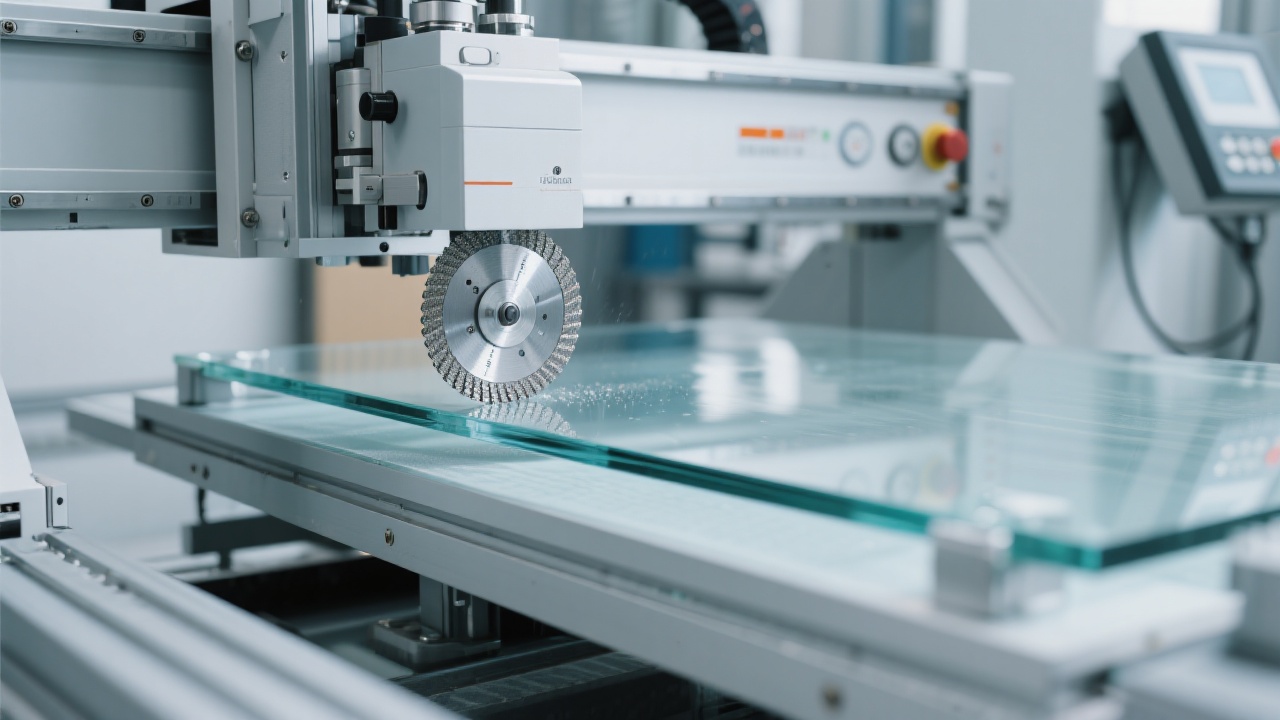
These steps aren’t just theory — they’re based on real-world performance metrics from UHD’s technical support logs across Europe, North America, and Southeast Asia. In fact, users who followed this protocol reported an average increase in blade lifespan by 60%, with fewer production interruptions.
Whether you're troubleshooting a recurring issue or optimizing your process for scale, our team at UHD has developed a comprehensive guide covering material compatibility charts, step-by-step setup checklists, and video tutorials tailored to different machine types.
Download Your Free UHD Technical Manual NowLearn how to reduce waste, boost productivity, and keep your team safe — one cut at a time.

 232
|
232
|
 custom diamond grinding wheels
cast iron machining efficiency
crankshaft burr removal
diamond grinding wheel customization
precision grinding solutions
custom diamond grinding wheels
cast iron machining efficiency
crankshaft burr removal
diamond grinding wheel customization
precision grinding solutions
 188
|
diamond saw blade wear assessment
cutting surface quality inspection
saw blade maintenance in extreme working environments
saw blade condition diagnosis methods
super - hard material tool usage skills
188
|
diamond saw blade wear assessment
cutting surface quality inspection
saw blade maintenance in extreme working environments
saw blade condition diagnosis methods
super - hard material tool usage skills
 74
|
custom diamond grinding wheels
high-speed cast iron machining
grinding wheel design optimization
crankshaft grinding
cylinder block machining
74
|
custom diamond grinding wheels
high-speed cast iron machining
grinding wheel design optimization
crankshaft grinding
cylinder block machining
 134
|
custom diamond grinding wheel
cast iron machining efficiency
crankshaft grinding solution
chip removal groove design
automotive component grinding
134
|
custom diamond grinding wheel
cast iron machining efficiency
crankshaft grinding solution
chip removal groove design
automotive component grinding
 398
|
diamond blade wear mechanism
foundry cutting tools maintenance
vacuum sintered diamond blades
cast iron cutting solutions
blade lifespan extension
398
|
diamond blade wear mechanism
foundry cutting tools maintenance
vacuum sintered diamond blades
cast iron cutting solutions
blade lifespan extension






.png?x-oss-process=image/resize,m_fill,h_300,w_300/format,webp)



