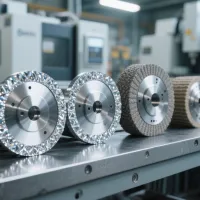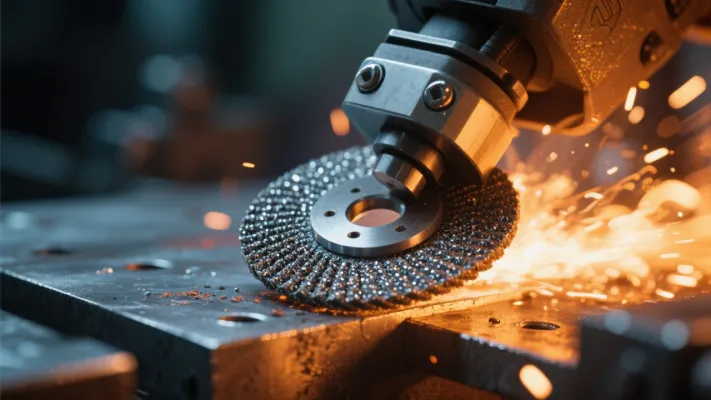
In the demanding world of hard metal machining—especially when cutting cast iron and high-strength steel—precision, consistency, and longevity of your diamond blades are critical. At UHD, we’ve distilled years of field testing and real-world automation integration into a practical guide that helps operators maximize blade life, reduce downtime, and boost throughput.
Proper installation isn’t just about torque specs—it’s about alignment, clamping pressure, and thermal stability. According to our data from over 500 industrial installations across Europe, Asia, and North America, incorrect mounting causes up to 37% of premature blade wear. Always use a dial indicator to ensure flatness within ±0.02mm before securing the blade. Use anti-vibration washers if mounted on CNC machines operating above 10,000 RPM.
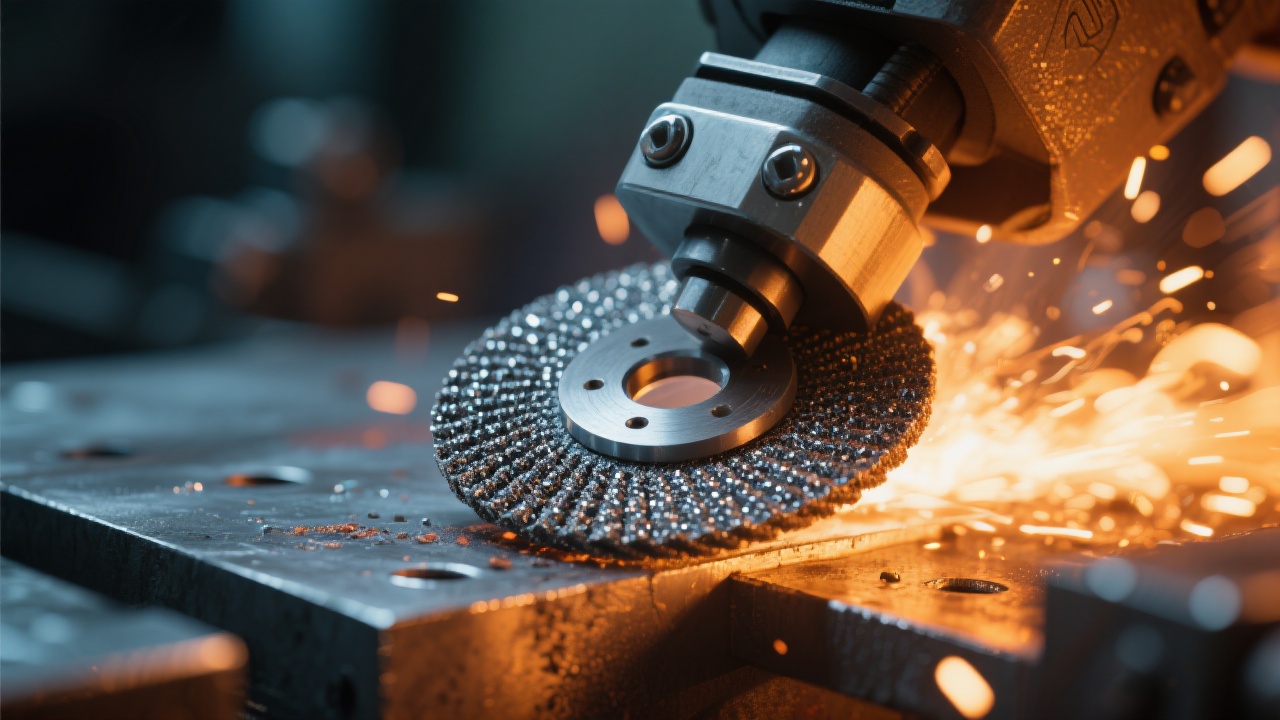
Speed (RPM), feed rate, and depth of cut must be calibrated per material hardness. For example:
| Material Type | Recommended RPM | Feed Rate (mm/min) |
|---|---|---|
| Cast Iron (HT250) | 6,000–8,500 | 150–250 |
| Low Carbon Steel (S235) | 5,500–7,500 | 120–200 |
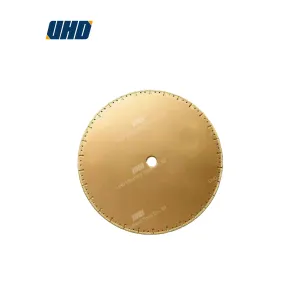
Don’t wait for visible damage. Monitor vibration levels and surface finish quality. If you see increased chatter or inconsistent edge quality after 15–20 hours of continuous operation, it's time to inspect or replace. Our clients using UHD vacuum brazed diamond blades report an average blade life of 45–60 hours in high-power applications—up to 2x longer than standard alternatives.
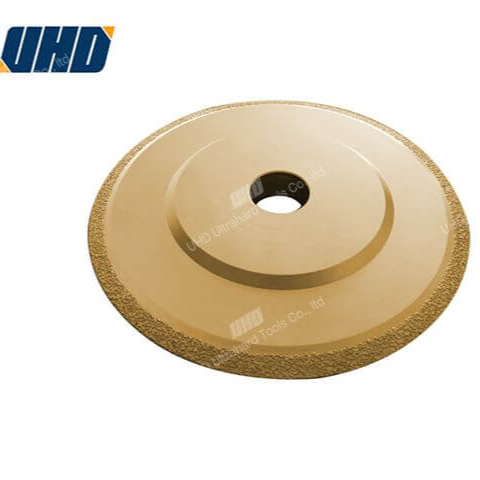
In automated systems, even minor inconsistencies can cascade into production errors. One client in Germany reported a 30% drop in scrap rate after switching to UHD’s precision-engineered vacuum brazed blades integrated with their robotic loading system. The key? Consistent thermal expansion behavior and uniform bond strength across the entire cutting edge.

 449
|
449
|
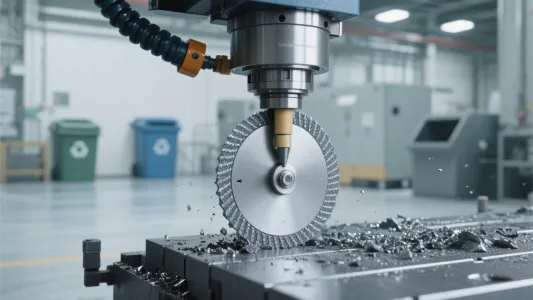
 diamond grinding wheel
grey cast iron machining
dust emission reduction
green manufacturing
workplace air quality
diamond grinding wheel
grey cast iron machining
dust emission reduction
green manufacturing
workplace air quality
 272
|
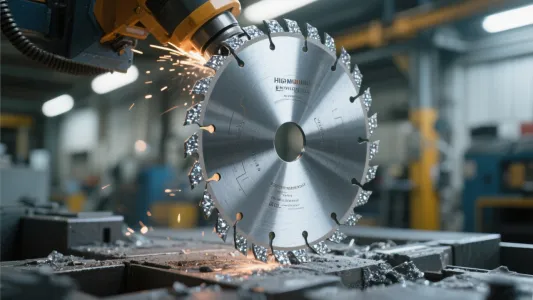
diamond saw blade wear
high-temperature cutting environment
high-dust machining
coolant control for diamond tools
vacuum sintered diamond blades
272
|
diamond saw blade wear
high-temperature cutting environment
high-dust machining
coolant control for diamond tools
vacuum sintered diamond blades
 443
|
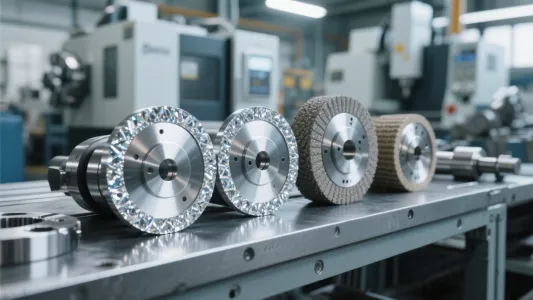
diamond grinding wheel geometry
ductile iron deburring
resin bond diamond wheels
precision grinding technology
custom abrasive solutions
443
|
diamond grinding wheel geometry
ductile iron deburring
resin bond diamond wheels
precision grinding technology
custom abrasive solutions
 53
|
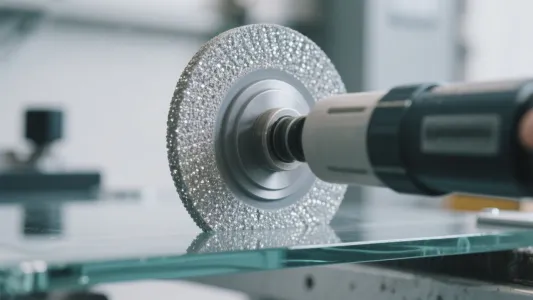
diamond saw blade chipping
gray cast iron cutting optimization
thermal stress control in cutting tools
diamond grit size selection
UHD diamond tools
53
|
diamond saw blade chipping
gray cast iron cutting optimization
thermal stress control in cutting tools
diamond grit size selection
UHD diamond tools
 398
|
diamond blade wear mechanism
foundry cutting tools maintenance
vacuum sintered diamond blades
cast iron cutting solutions
blade lifespan extension
398
|
diamond blade wear mechanism
foundry cutting tools maintenance
vacuum sintered diamond blades
cast iron cutting solutions
blade lifespan extension





.png?x-oss-process=image/resize,m_fill,h_300,w_300/format,webp)



.png?x-oss-process=image/resize,m_fill,h_200,w_200/format,webp)