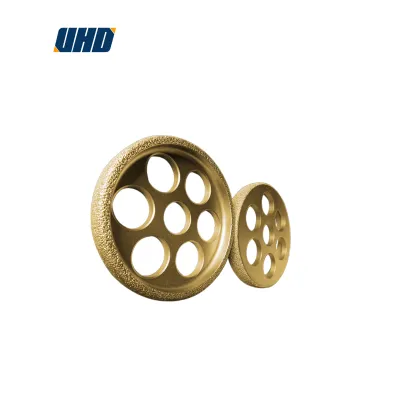
For precision manufacturing industries—from aerospace to mold making—tool selection directly impacts surface finish, dimensional accuracy, and production efficiency. In recent years, vacuum brazed diamond wheels have emerged as a superior alternative to traditional electroplated wheels, especially under high-speed, heavy-load conditions.
Unlike electroplating, which relies on a metallic coating to hold diamonds, vacuum brazing uses a copper-based alloy that melts at ~1000°C and forms a metallurgical bond with both the diamond grit and the wheel body. This results in:
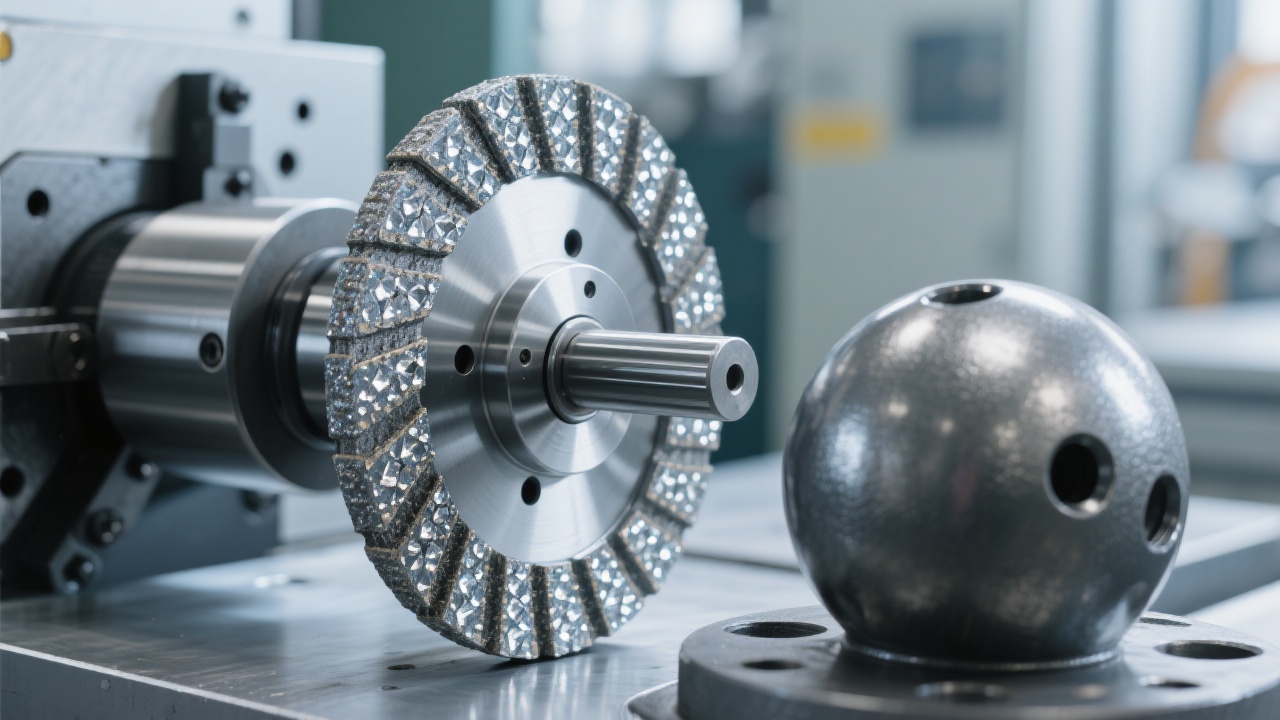
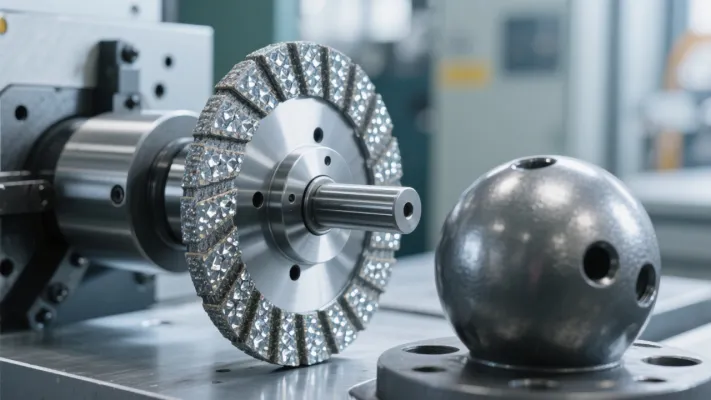
In a case study conducted with a Tier-1 aerospace supplier, vacuum brazed UHD wheels reduced surface roughness from Ra 0.8 μm to Ra 0.3 μm when grinding turbine blades made of Inconel 718. The same tool achieved consistent tolerances within ±0.01 mm over 12 hours of continuous operation—a 60% improvement over electroplated tools used previously.
Similarly, in a die-and-mold shop producing hardened H13 steel components, switching to vacuum brazed wheels cut down tool change frequency from every 4 hours to every 12, resulting in a 25% increase in throughput without sacrificing quality.
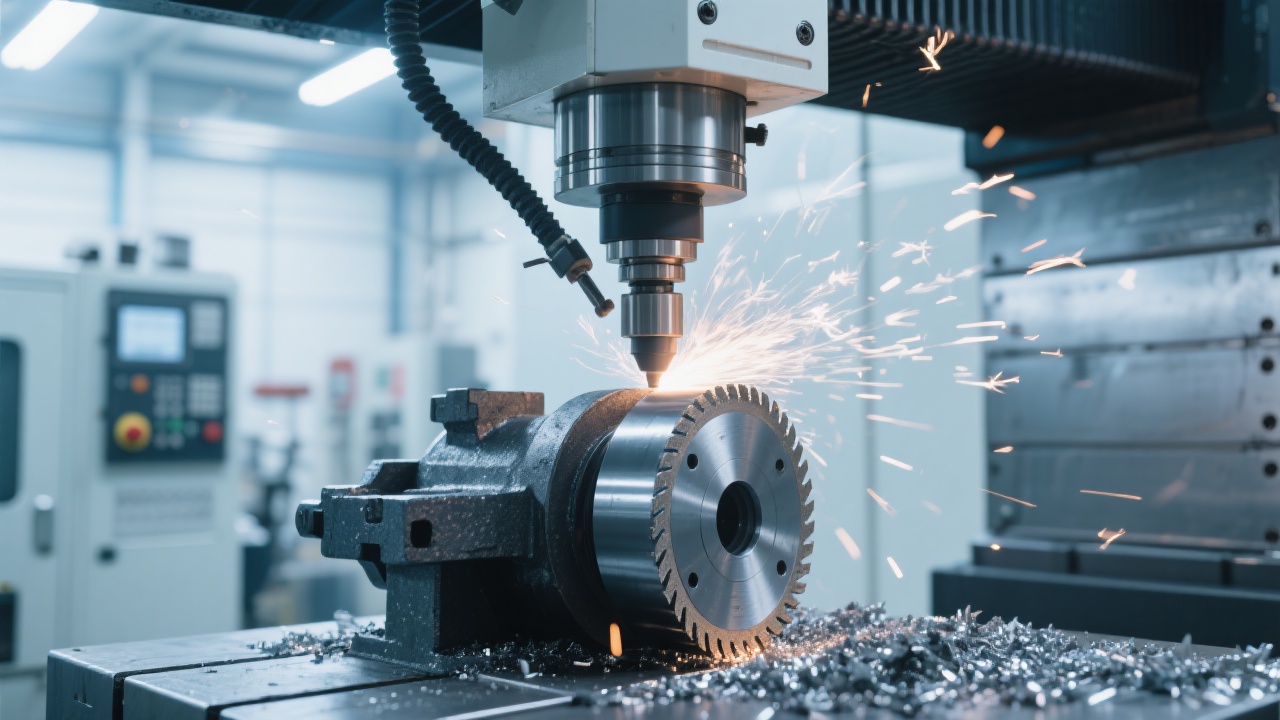
For procurement managers and process engineers, here’s a simple framework to assess whether vacuum brazed wheels align with your needs:
This method ensures objective evaluation—not just cost-per-wheel—but total cost of ownership (TCO), including downtime, rework, and labor.
Did you know? Many manufacturers overlook the long-term savings from reduced tooling failures—even if upfront costs are higher. For instance, one German automotive supplier reported a 3-year ROI on vacuum brazed wheels after switching from electroplated ones.
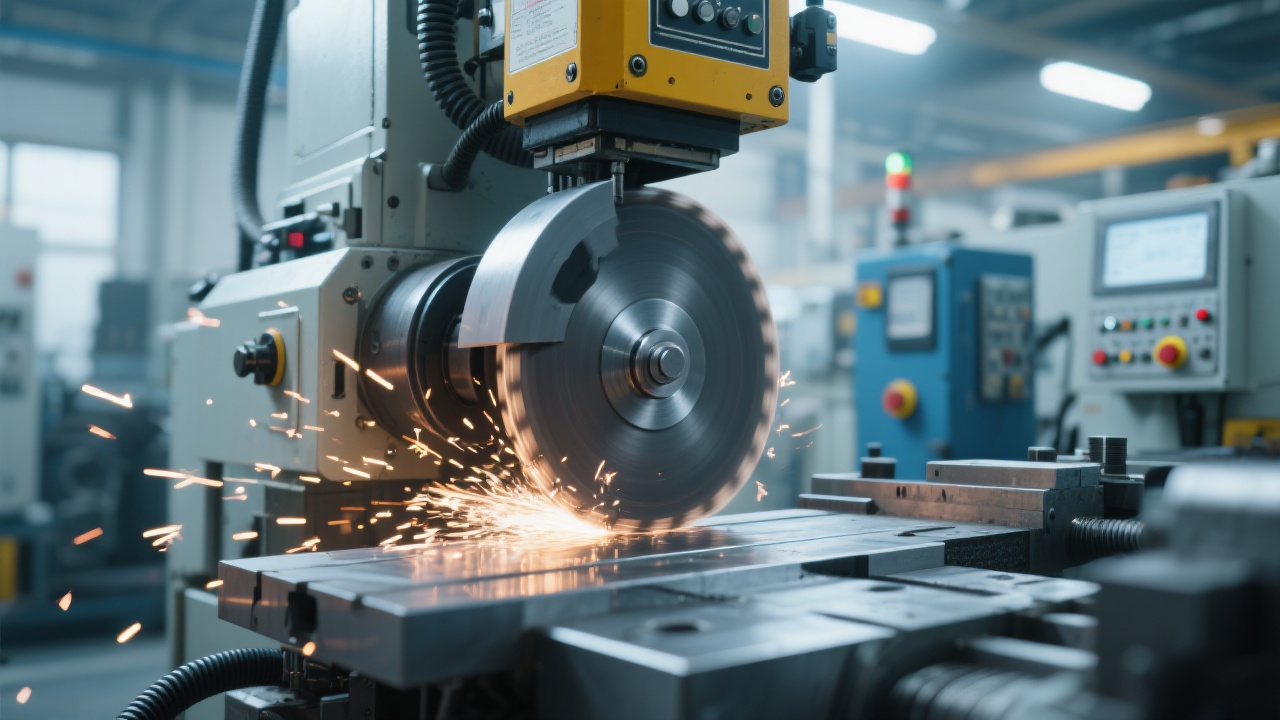
If you're exploring advanced solutions for precision grinding applications, consider how vacuum brazed diamond wheels can support your specific workflow. Whether it's improving surface quality or reducing cycle times, the technical advantages are clear—and increasingly validated in real-world settings.
 366
|
366
|
 gray cast iron machining
diamond grinding wheel
surface finish optimization
tool life extension
vacuum brazed diamond tools
gray cast iron machining
diamond grinding wheel
surface finish optimization
tool life extension
vacuum brazed diamond tools
 376
|
diamond saw blade chipping
grey cast iron cutting optimization
saw blade thermal stress control
cutting parameter settings
foundry cutting solutions
446
|
diamond saw blade chipping
gray cast iron cutting
thermal stress control
cutting parameter optimization
foundry machining
398
|
diamond saw blade monitoring
intermittent cutting techniques
saw blade performance testing
superabrasive tool maintenance
cutting efficiency optimization
376
|
diamond saw blade chipping
grey cast iron cutting optimization
saw blade thermal stress control
cutting parameter settings
foundry cutting solutions
446
|
diamond saw blade chipping
gray cast iron cutting
thermal stress control
cutting parameter optimization
foundry machining
398
|
diamond saw blade monitoring
intermittent cutting techniques
saw blade performance testing
superabrasive tool maintenance
cutting efficiency optimization
 163
|
diamond saw blade chipping
gray cast iron cutting
thermal stress control
cutting parameter optimization
UHD diamond blades
163
|
diamond saw blade chipping
gray cast iron cutting
thermal stress control
cutting parameter optimization
UHD diamond blades





.png?x-oss-process=image/resize,m_fill,h_300,w_300/format,webp)