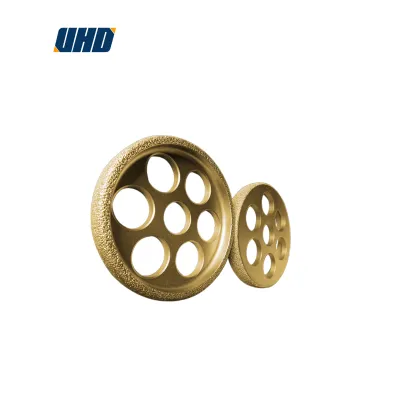
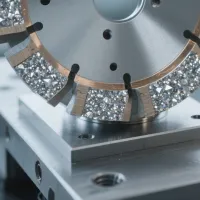
In today's advanced manufacturing landscape, precision grinding of difficult-to-machine materials like stainless steel and titanium alloys presents significant challenges for production engineers. A recent industry survey conducted by the International Grinding Technology Association revealed that 78% of manufacturing facilities report excessive wheel wear as their primary operational cost driver, with an average of 22% of total production time lost to wheel changes and adjustments.
"The precision manufacturing sector is constantly challenged by material advancements. Traditional grinding solutions often fail to meet the demands of modern high-performance alloys, leading to compromised surface quality and increased production costs," explains Dr. Michael Chen, Materials Science Director at the Advanced Manufacturing Institute.
Stainless steel (particularly 316L and 304 grades) and titanium alloys (such as Ti-6Al-4V) exhibit exceptional mechanical properties including high tensile strength, corrosion resistance, and heat resistance. However, these same properties make them extremely challenging to grind efficiently:
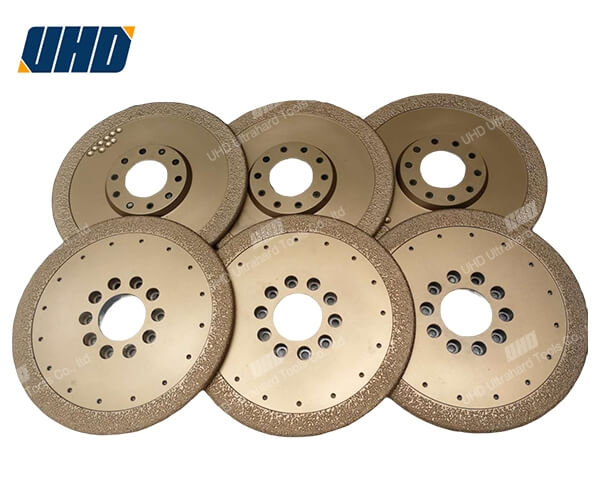
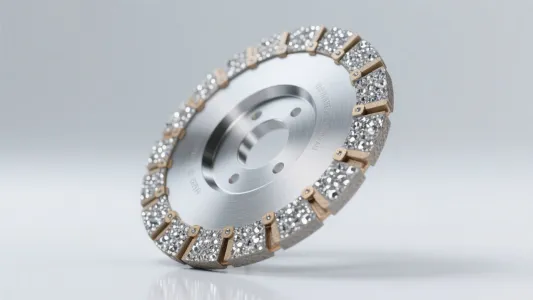
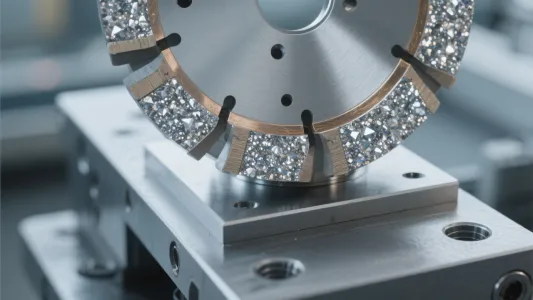
Vacuum brazed diamond wheels represent a significant technological leap in abrasive tooling. Unlike traditional resin or metal bond wheels, the vacuum brazing process creates a metallurgical bond between diamond grains and the wheel substrate through a high-temperature vacuum furnace process (typically 850-1050°C).
This advanced bonding mechanism delivers three critical advantages:
Bond strength exceeding 75MPa, compared to 25-35MPa with conventional metal bonds, preventing premature diamond pull-out
Controlled 60-70% diamond exposure for aggressive cutting action while maintaining grain retention
Superior heat dissipation properties reducing workpiece thermal damage by up to 65%
In a six-month production study conducted at a leading aerospace component manufacturer, vacuum brazed diamond wheels demonstrated transformative performance metrics when machining Ti-6Al-4V titanium alloy components:
| Performance Metric | Conventional Diamond Wheel | Vacuum Brazed Diamond Wheel | Performance Improvement |
|---|---|---|---|
| Tool Life (hours) | 11.5 | 68.3 | 494% |
| Surface Finish (Ra, μm) | 1.2 | 0.35 | 70.8% |
| Material Removal Rate (cm³/min) | 2.8 | 4.1 | 46.4% |
| Cost Per Part (USD) | $14.75 | $3.22 | 78.2% |
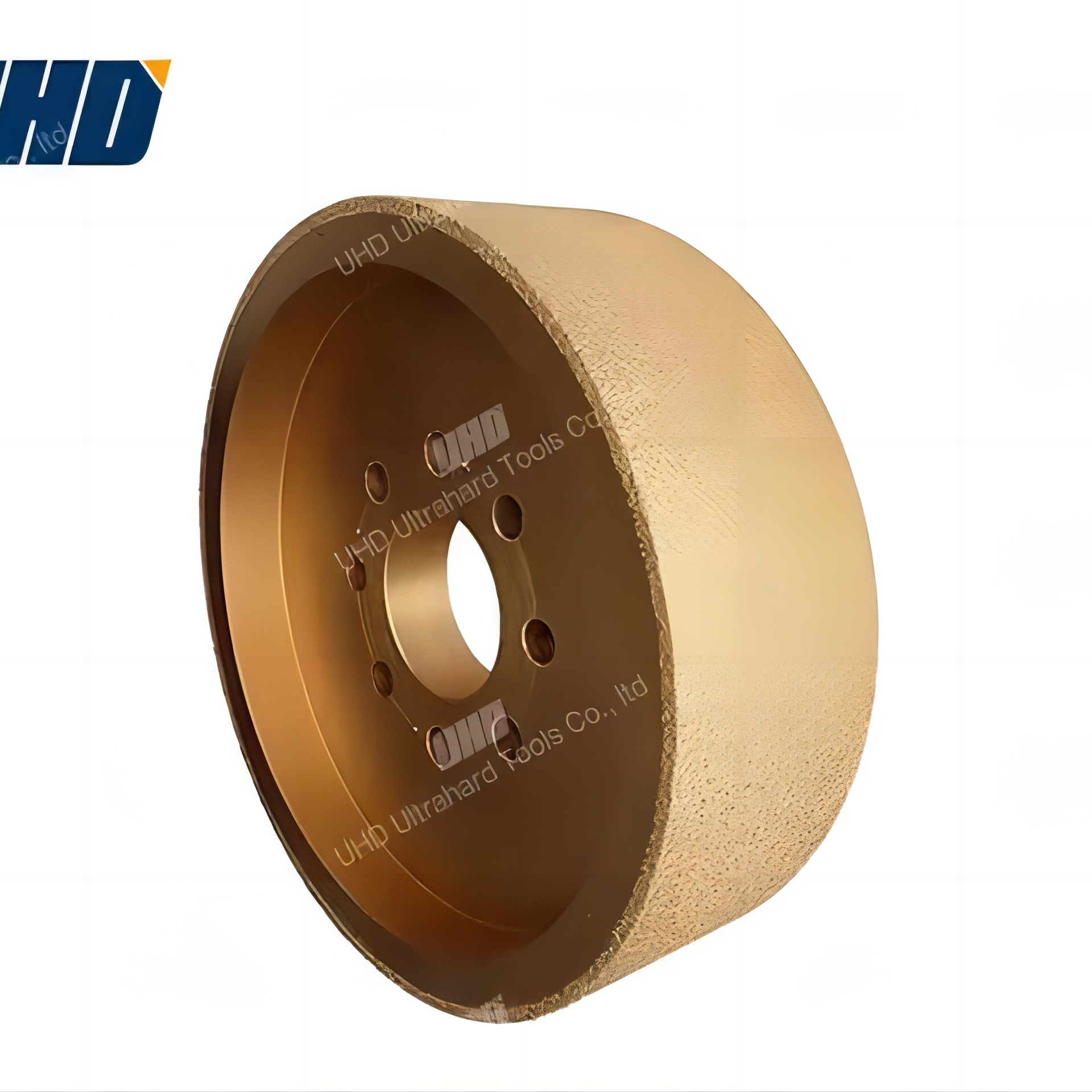
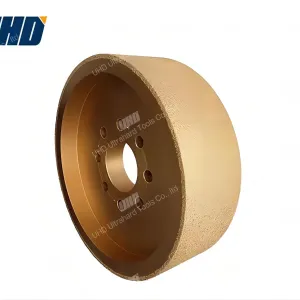
Selecting the appropriate vacuum brazed diamond wheel configuration is critical for maximizing performance. Two industry-proven models have demonstrated exceptional results in stainless steel and titanium alloy applications:
"The key to unlocking maximum performance from vacuum brazed wheels lies in understanding the material-specific interaction between the diamond grit and workpiece," notes Sarah Johnson, Senior Applications Engineer at Precision Abrasives Technologies. "We've worked with hundreds of manufacturers to optimize these parameters, resulting in an average 42% reduction in grinding cycle times while improving part quality."

As manufacturers push toward higher precision and productivity, vacuum brazed diamond technology continues to evolve. Emerging developments include nanocrystalline diamond coatings that further enhance wear resistance by up to 30%, and predictive maintenance systems that utilize IoT sensors to monitor wheel performance in real-time. Industry forecasts project the global market for advanced abrasive tools will grow at a CAGR of 7.8% through 2027, driven primarily by demand from aerospace, medical, and energy sectors.
Discover how our vacuum brazed diamond wheels can reduce your production costs while improving part quality and consistency.
Request Your Personalized Grinding Solution AssessmentOur technical team will analyze your specific application and provide customized recommendations within 48 hours.
Manufacturing facilities that have implemented vacuum brazed diamond technology report not only immediate cost savings but also enhanced competitive positioning through improved product quality and production flexibility. As material science continues to advance, the importance of selecting the right abrasive technology becomes increasingly critical to maintaining manufacturing excellence.

 366
|
366
|
 gray cast iron machining
diamond grinding wheel
surface finish optimization
tool life extension
vacuum brazed diamond tools
gray cast iron machining
diamond grinding wheel
surface finish optimization
tool life extension
vacuum brazed diamond tools
 435
|
gray cast iron machining
diamond grinding wheels
parameter optimization
precision casting tools
tool life management
435
|
gray cast iron machining
diamond grinding wheels
parameter optimization
precision casting tools
tool life management
 42
|
diamond saw blade wear
extreme cutting conditions
casting industry tool maintenance
cutting efficiency improvement
blade lifespan extension
42
|
diamond saw blade wear
extreme cutting conditions
casting industry tool maintenance
cutting efficiency improvement
blade lifespan extension
 356
|
diamond grinding disc
gray cast iron machining
metal vacuum brazed tools
cutting efficiency improvement
superhard material tools
356
|
diamond grinding disc
gray cast iron machining
metal vacuum brazed tools
cutting efficiency improvement
superhard material tools
 392
|
customized diamond grinding wheels for cast iron
diamond wheel selection guide
gray cast iron deburring solutions
precision machining tool design
high-speed cast iron grinding discs customization
392
|
customized diamond grinding wheels for cast iron
diamond wheel selection guide
gray cast iron deburring solutions
precision machining tool design
high-speed cast iron grinding discs customization







.png?x-oss-process=image/resize,m_fill,h_300,w_300/format,webp)