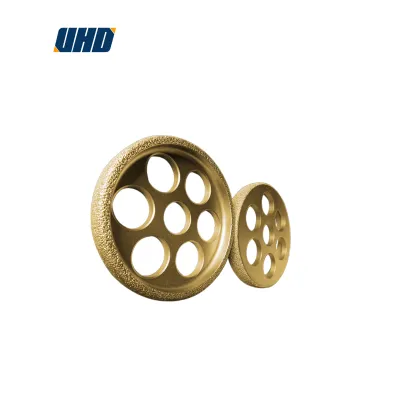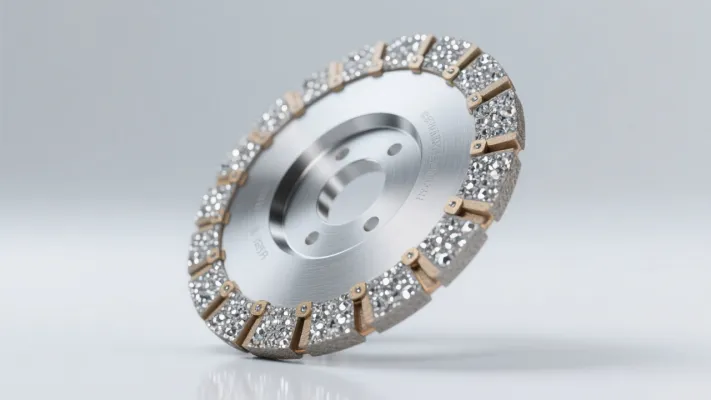
In the realm of advanced manufacturing, particularly in aerospace and precision tooling, the choice of grinding tools directly impacts product quality, process efficiency, and operational costs. This article explores the technological distinctions and application-specific advantages of vacuum brazed diamond wheels over traditional electroplated wheels. Through detailed analysis of bonding strength, thermal stability, and impact resistance, combined with real-world case studies from sectors such as jet engine blade finishing and mold steel precision grinding, this overview provides decision-makers and process engineers with a robust framework for selecting the optimal abrasive tool.
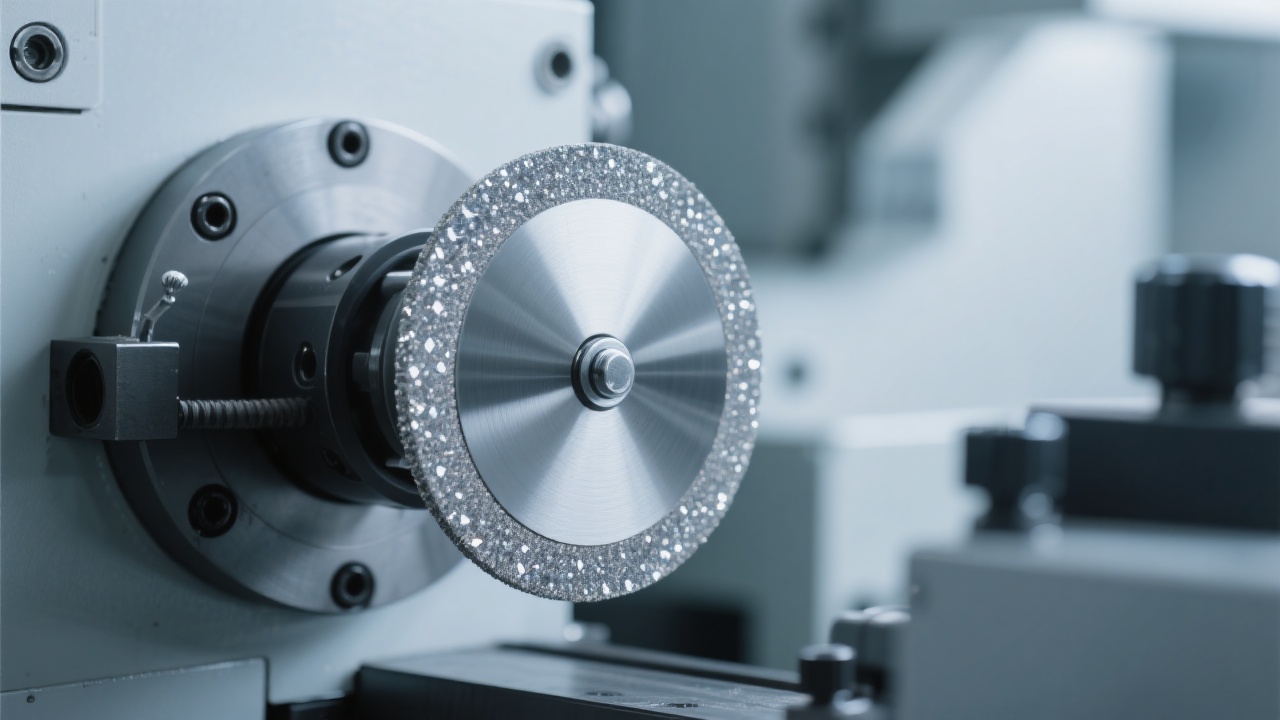
Vacuum brazed diamond wheels employ a metallurgical bonding technique where diamond grains are firmly affixed to the wheel substrate using a high-temperature brazing alloy under vacuum conditions. This process ensures an exceptionally strong interface between diamonds and the steel core, enhancing durability and precision.
In contrast, electroplated wheels adhere diamond particles via a thin metallic layer deposited through electrochemical plating. While effective for certain applications, this method produces a comparatively weaker bond, limiting lifespan and consistency under demanding operational conditions.
Jet engine blades demand micron-level surface finishes and tight dimensional tolerances. Vacuum brazed diamond wheels, due to their robust bonding and thermal reliability, ensure stable grinding conditions that reduce surface micro-cracks and enhance blade fatigue resistance.
Recent data from a leading aerospace manufacturer revealed a 30% increase in grinding tool lifespan and a 25% reduction in surface defects when switching from electroplated to vacuum brazed wheels, significantly lowering rework rates and cycle time.
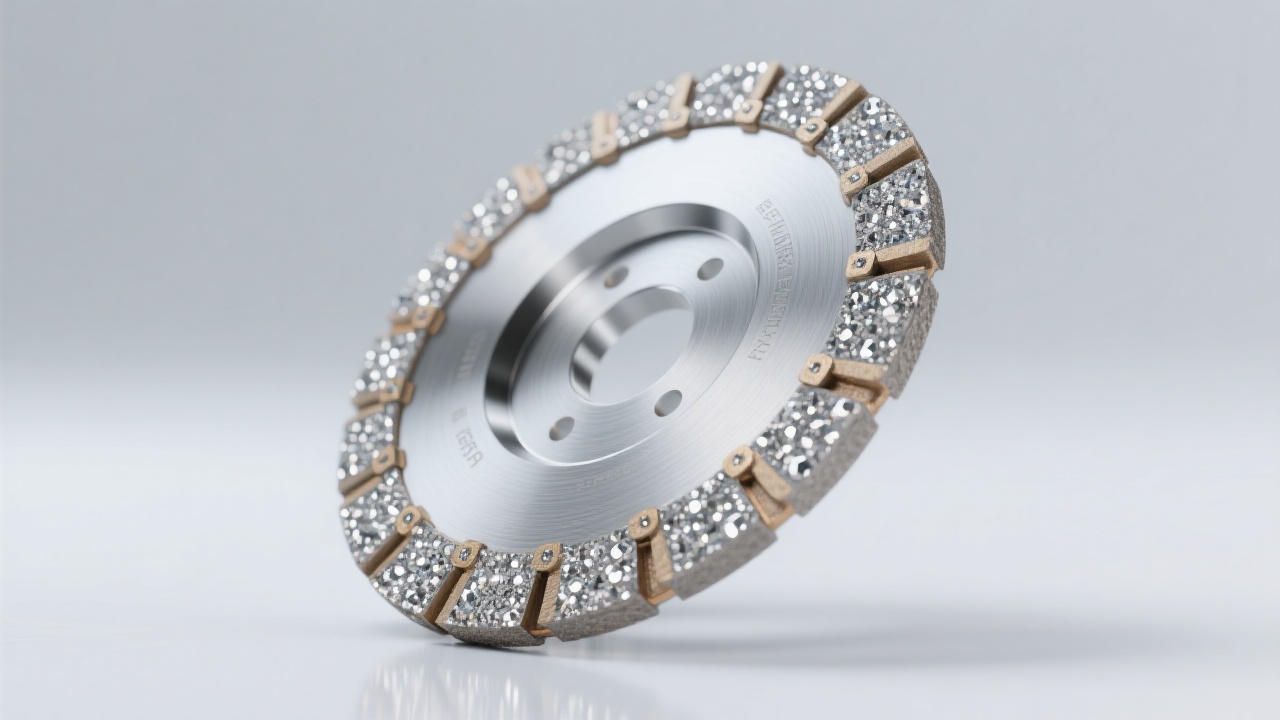
Mold steel machining requires sanding tools that provide consistent surface quality and minimal dimensional deviation. Vacuum brazed diamond wheels maintain sharp abrasive edges longer, resulting in repeatable finishes within ±2 microns compared to ±5 microns typical of electroplated wheels.
The longer tool life and better heat dissipation also prevent workpiece thermal damage, critical when working with complex mold geometries that are sensitive to thermal distortion.
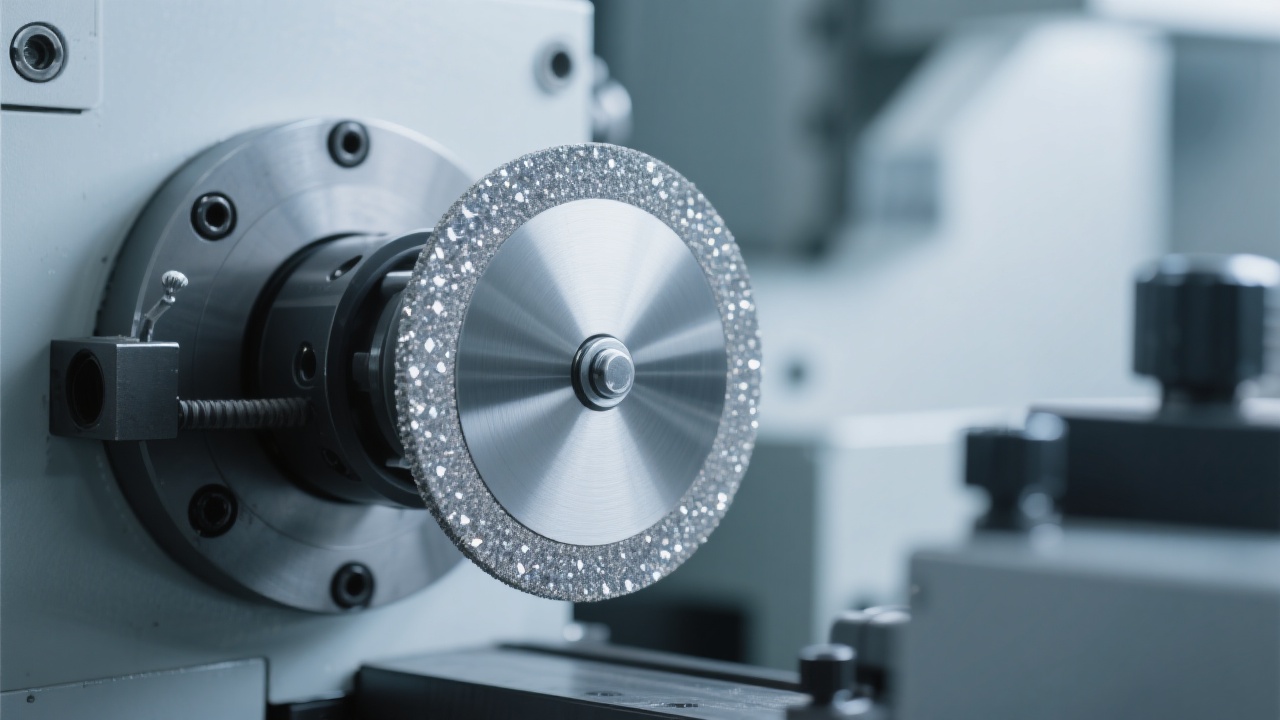
Procurement specialists and process engineers may apply the following criteria to evaluate and select grinding wheels in high-end applications:
| Criterion | Vacuum Brazed Wheel | Electroplated Wheel |
|---|---|---|
| Bond Strength (MPa) | > 400 | < 150 |
| Thermal Resistance (°C) | > 750 | ~ 200 |
| Tool Life (Relative) | High (x1.3 – 2) | Moderate |
| Surface Finish Quality | Micron-accurate | Variable |

 157
|
157
|
 gray cast iron dust control
dust-free diamond grinding disk
industrial air quality improvement
green manufacturing technology
occupational health protection
gray cast iron dust control
dust-free diamond grinding disk
industrial air quality improvement
green manufacturing technology
occupational health protection
 188
|
diamond saw blade wear assessment
cutting surface quality inspection
saw blade maintenance in extreme working environments
saw blade condition diagnosis methods
super - hard material tool usage skills
188
|
diamond saw blade wear assessment
cutting surface quality inspection
saw blade maintenance in extreme working environments
saw blade condition diagnosis methods
super - hard material tool usage skills
 241
|
Vacuum Brazed Diamond Wheel
Precision Grinding
Stainless Steel Machining
Titanium Alloy Grinding
Grinding Efficiency
275
|
Diamond saw blade chipping
Gray cast iron cutting process optimization
Saw blade thermal stress control
Cutting parameter setting guide
Foundry cutting solutions
241
|
Vacuum Brazed Diamond Wheel
Precision Grinding
Stainless Steel Machining
Titanium Alloy Grinding
Grinding Efficiency
275
|
Diamond saw blade chipping
Gray cast iron cutting process optimization
Saw blade thermal stress control
Cutting parameter setting guide
Foundry cutting solutions
 42
|
diamond saw blade wear
extreme cutting conditions
casting industry tool maintenance
cutting efficiency improvement
blade lifespan extension
42
|
diamond saw blade wear
extreme cutting conditions
casting industry tool maintenance
cutting efficiency improvement
blade lifespan extension






.png?x-oss-process=image/resize,m_fill,h_300,w_300/format,webp)